Cart2Clyde 2026 …a postal art exhibition.
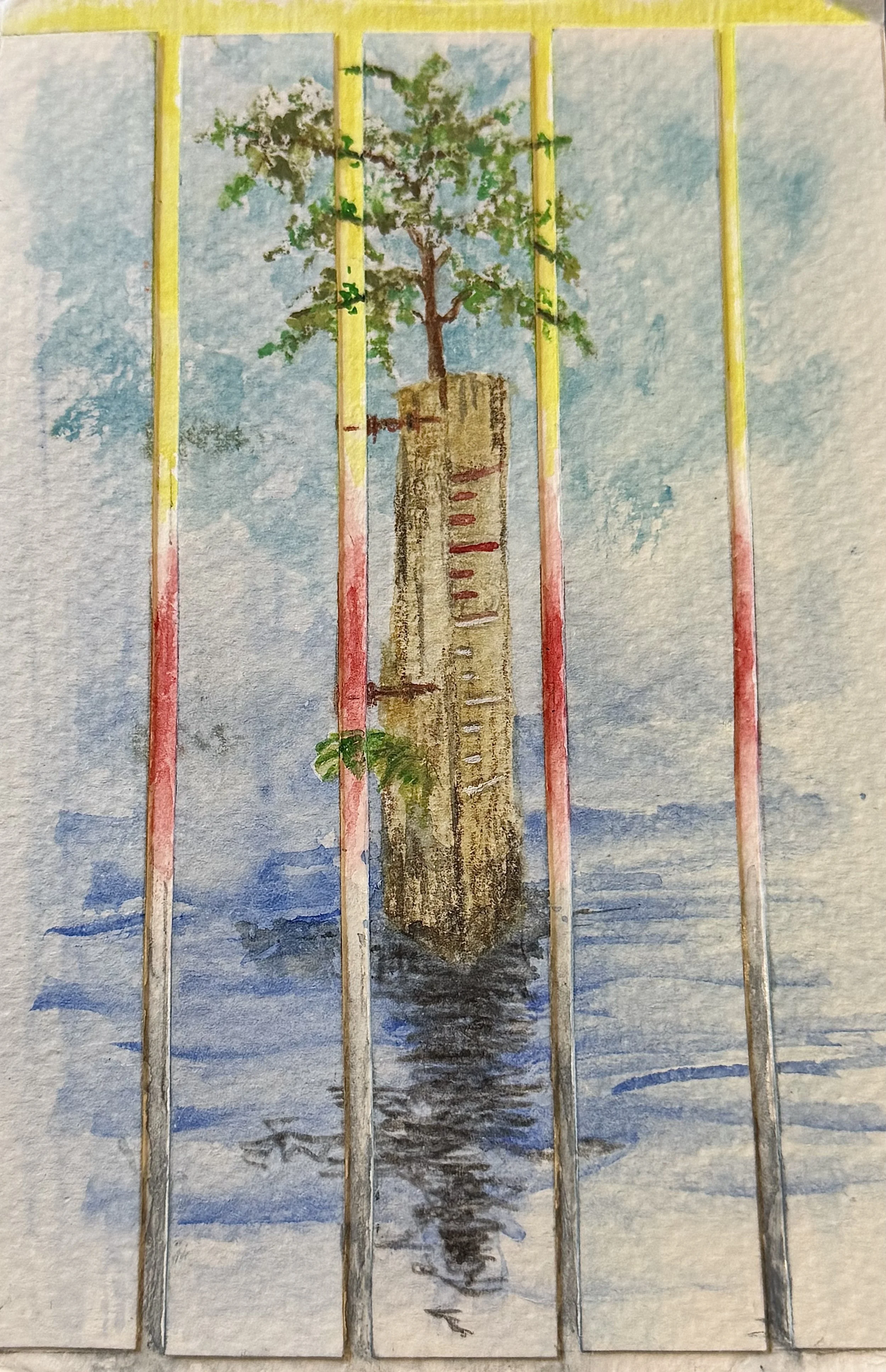
‘Hope’ by Ruth Walsh, above
Context:
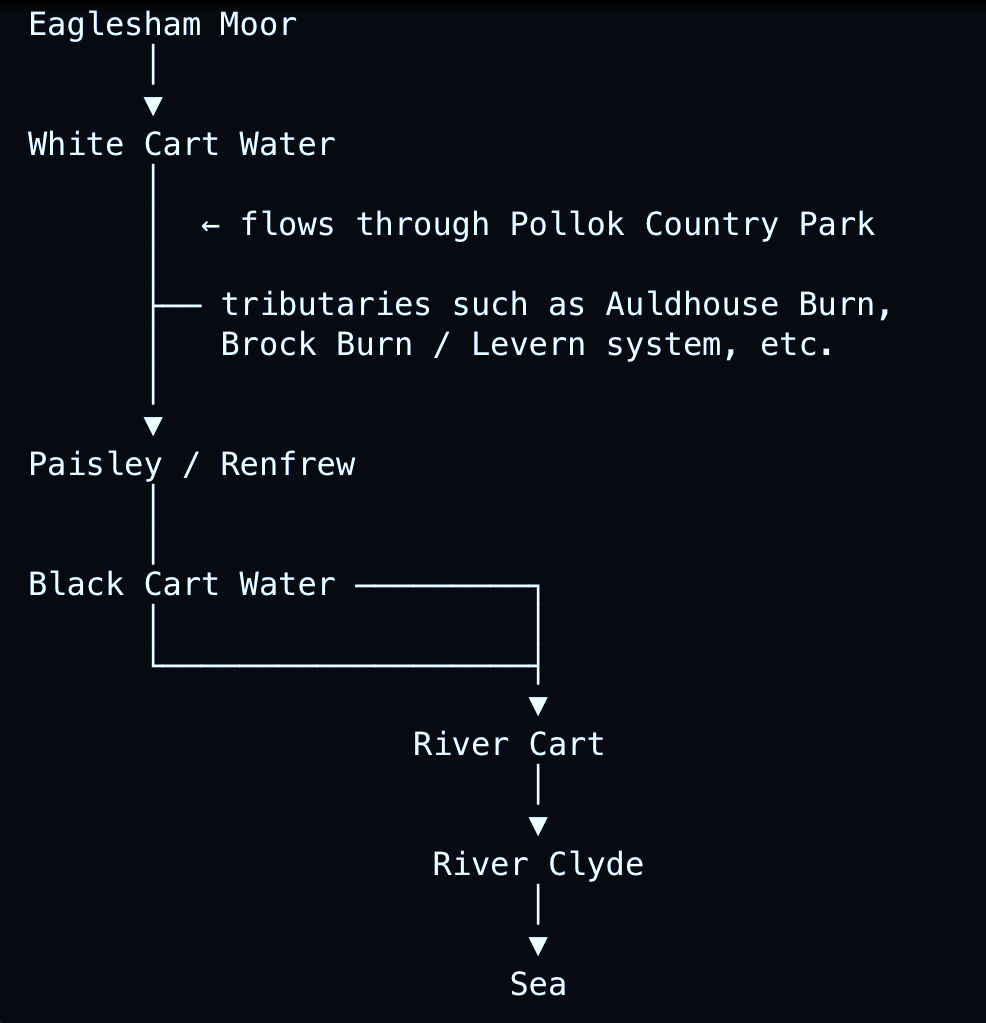
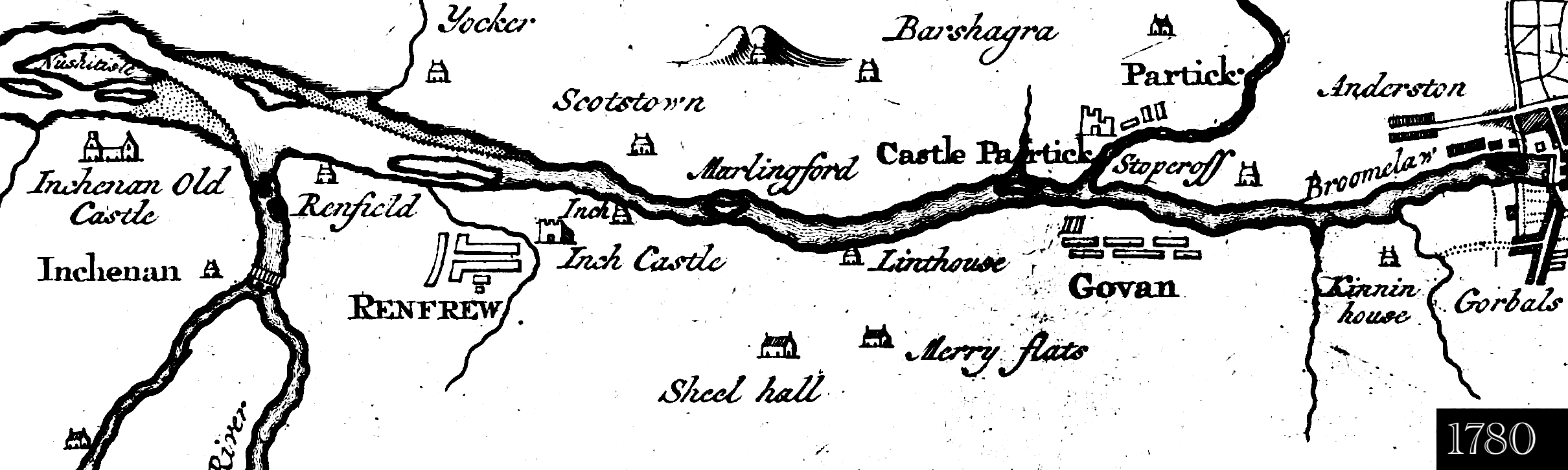
For more than 250yrs the flowing currents of the White Cart, the Black Cart, the River Cart and the Clyde, in Scotland, have been dramatically transformed by both human endeavour and the forces of nature. Once traversing through landscapes of extensive tidal mudflats and salt marshes, the lower reaches supported fishing boats and small trading vessels that travelled inland with the tide. As Glasgow entered its great era of shipbuilding, the tributaries and the Cart became part of an industrialised network, shaped by extensive docks, steelworks and engineering sites. Channels were straightened, edges were embanked and the rivers were confined to control flooding, improve navigation and make way for the expanding towns and industry. These changes altered natural flows, accelerated erosion and disconnected the rivers from their floodplains. Whilst concurrently decades of heavy industrial pollution left a lasting legacy in both the water and sediments.
Today, microplastics and urban runoff are carried downstream by tributaries that converge within the remarkably short River Cart (approx ¾ of a mile or 1.2 kilometres in length) before finally reaching the mighty River Clyde.
In the future, climate change is expected to bring heavier rainfall, more frequent flooding and warmer waters - placing increasing pressure upon these altered flows. Concurrently, invasive plant and animal species are emerging along the tributaries, threatening native wildlife, whilst further changing the character of a river system whose health depends on each and every stream that feeds into it.
Displayed, below, are a series of postcard-sized artworks that respond to these historical, ecological and industrial contexts as part of the CART2CLYDE project:
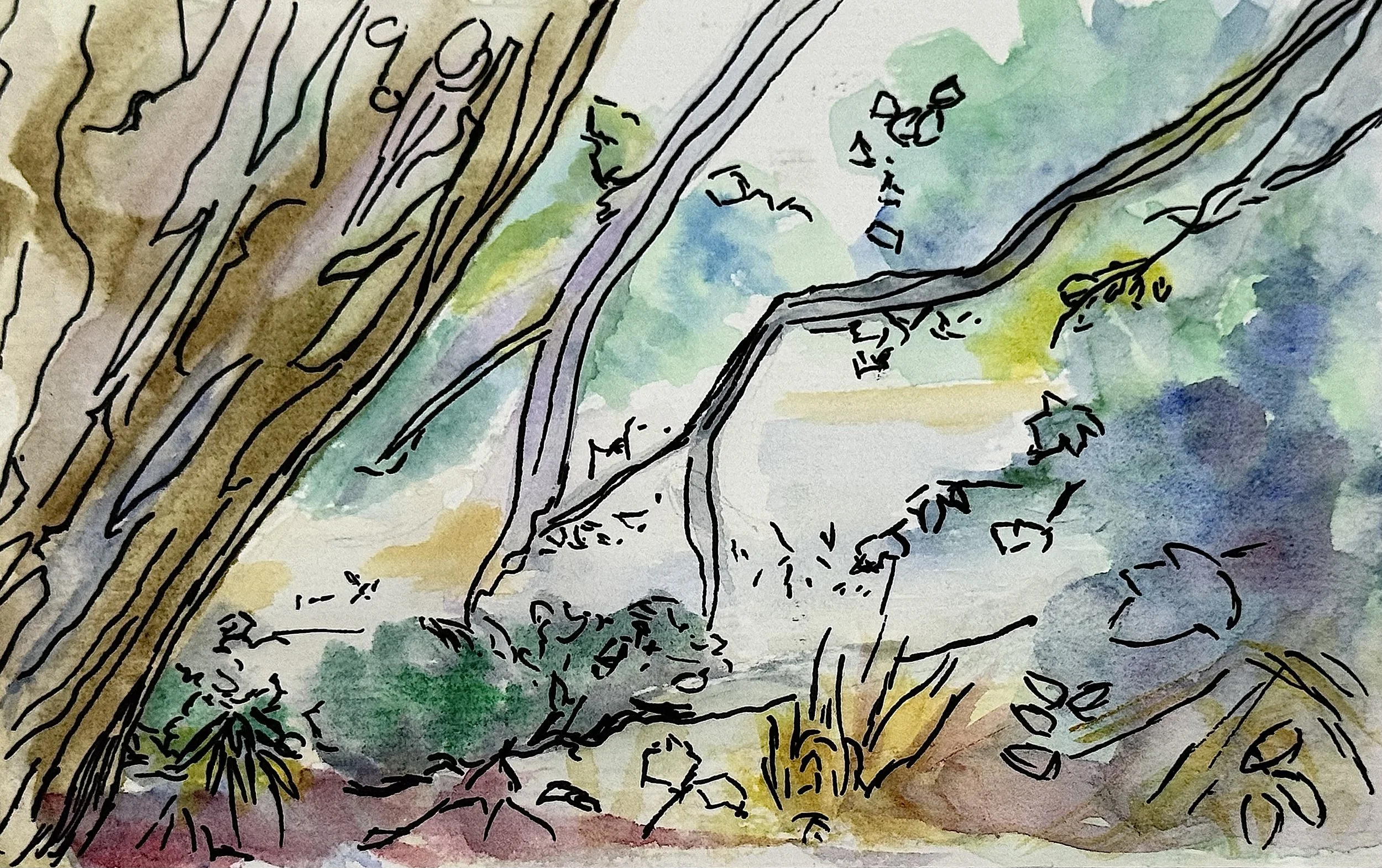
Steffi Keir, above & below
‘There is a river at the back of my home still. It tells the story of this place: of seasons & changes, mills, lade*, the power of water. It roars in the rain, sings in drought. A hide-out for young ones. Joyful voices, screams, the rhythm of music blasted into gorge and garden’.
*The word comes from the Old English gelād or lād (meaning a course, way, or watercourse) and the verb lǣdan (meaning "to lead")
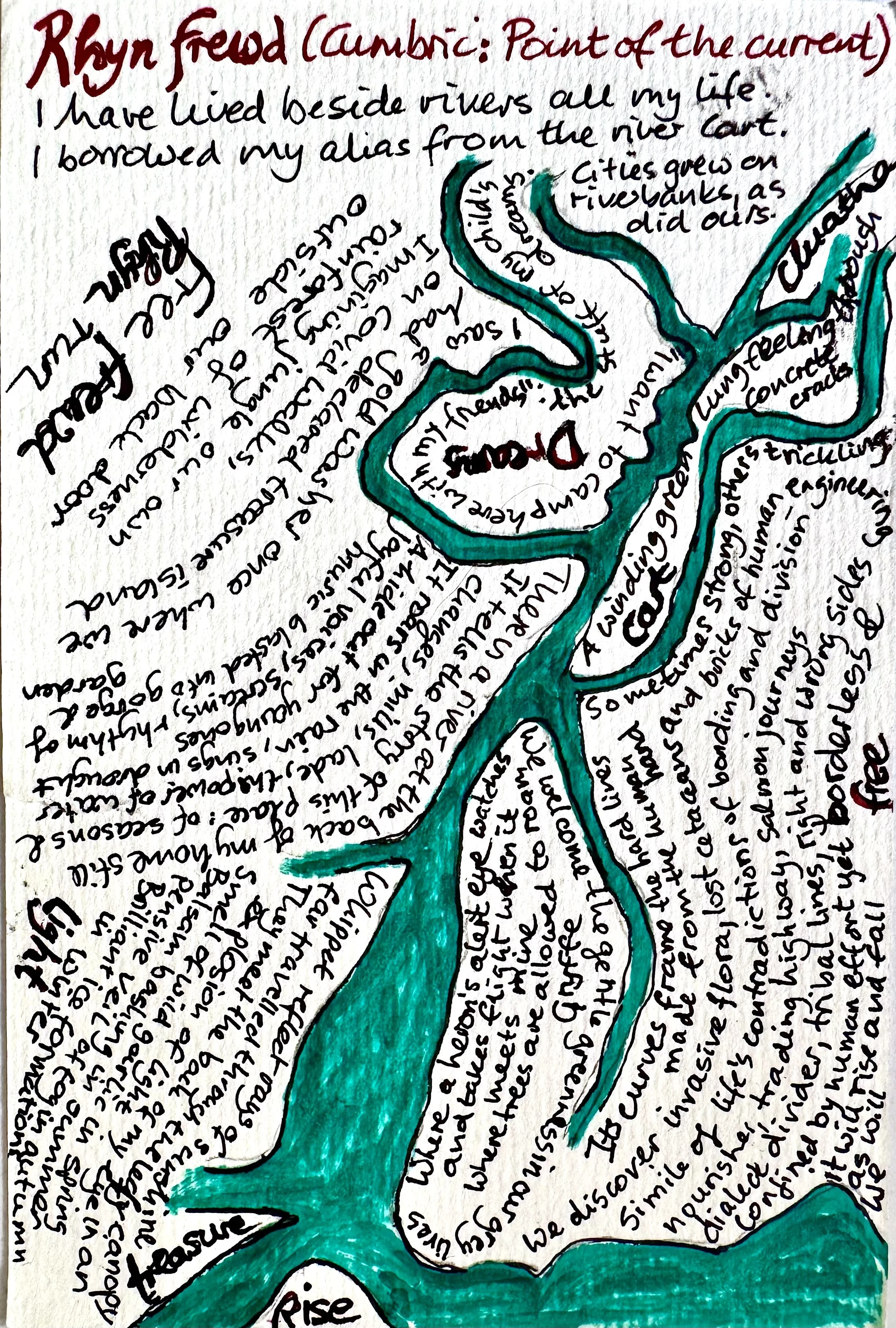
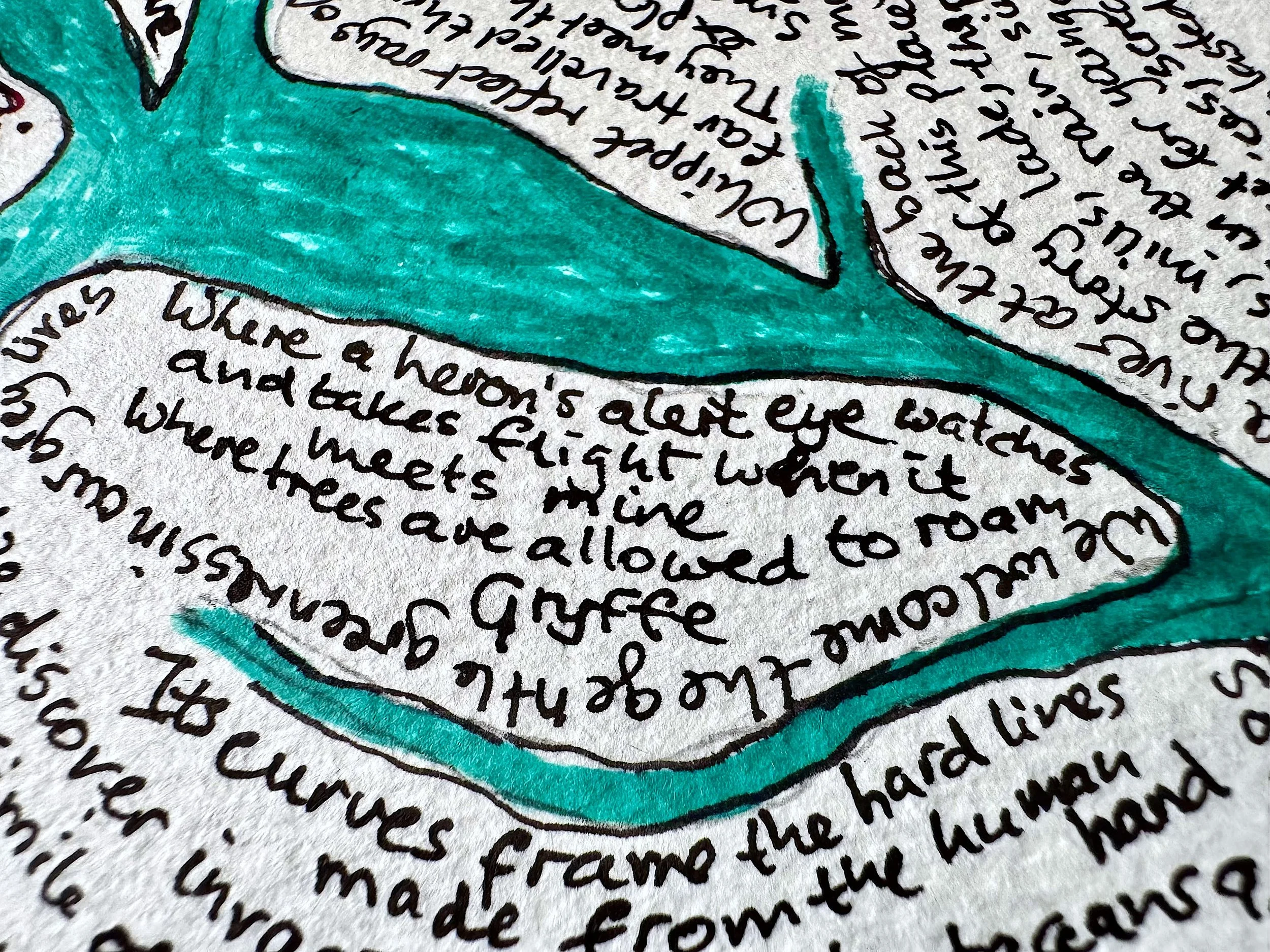
‘I grew up on the banks of the Rhine, then lived on the Liffey, Garavogue, Manzanares, Ouse, Cart and now the Gryffe. Rivers are our life-line in every way’
*Renfrew > Brythonic Celtic origin of the Scottish town and royal burgh of Renfrew
*Rhyn Frewd > Cumbric: Point of the Current
*Rhyn Ffrwd > a translates geographically to "Promontory of the Stream" or "Headland of the Torrent.
Note: Before Scottish Gaelic or Scots took over the Lowlands, the region was part of the ancient northern Brythonic kingdom of Strathclyde, where a language nearly identical to early Welsh was spoken.
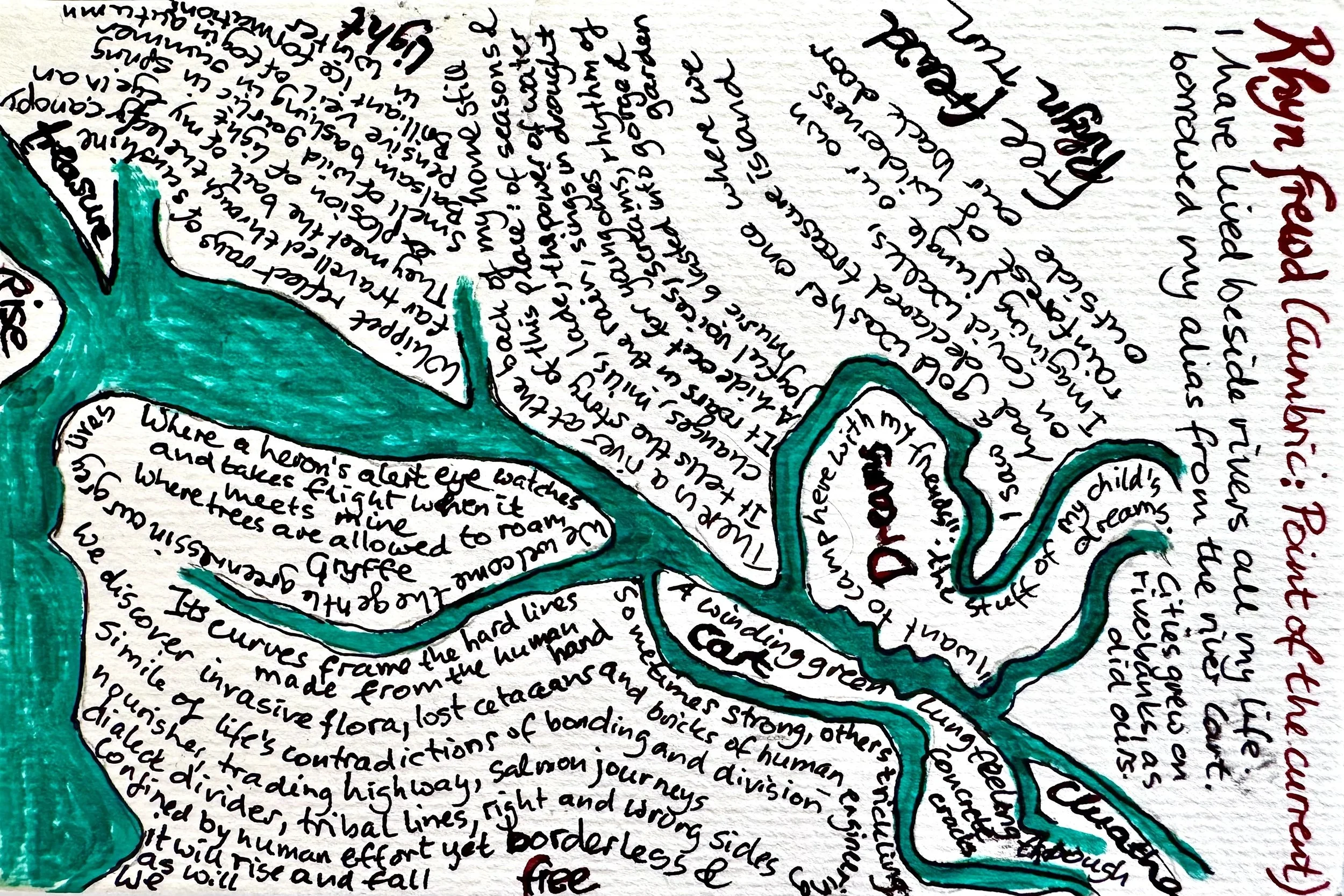
‘I saw a gold washer once where we had declared Treasure Island on Covid walks. Imagining jungle, our own forest of wilderness outside our back door’ Steffi Keir, above
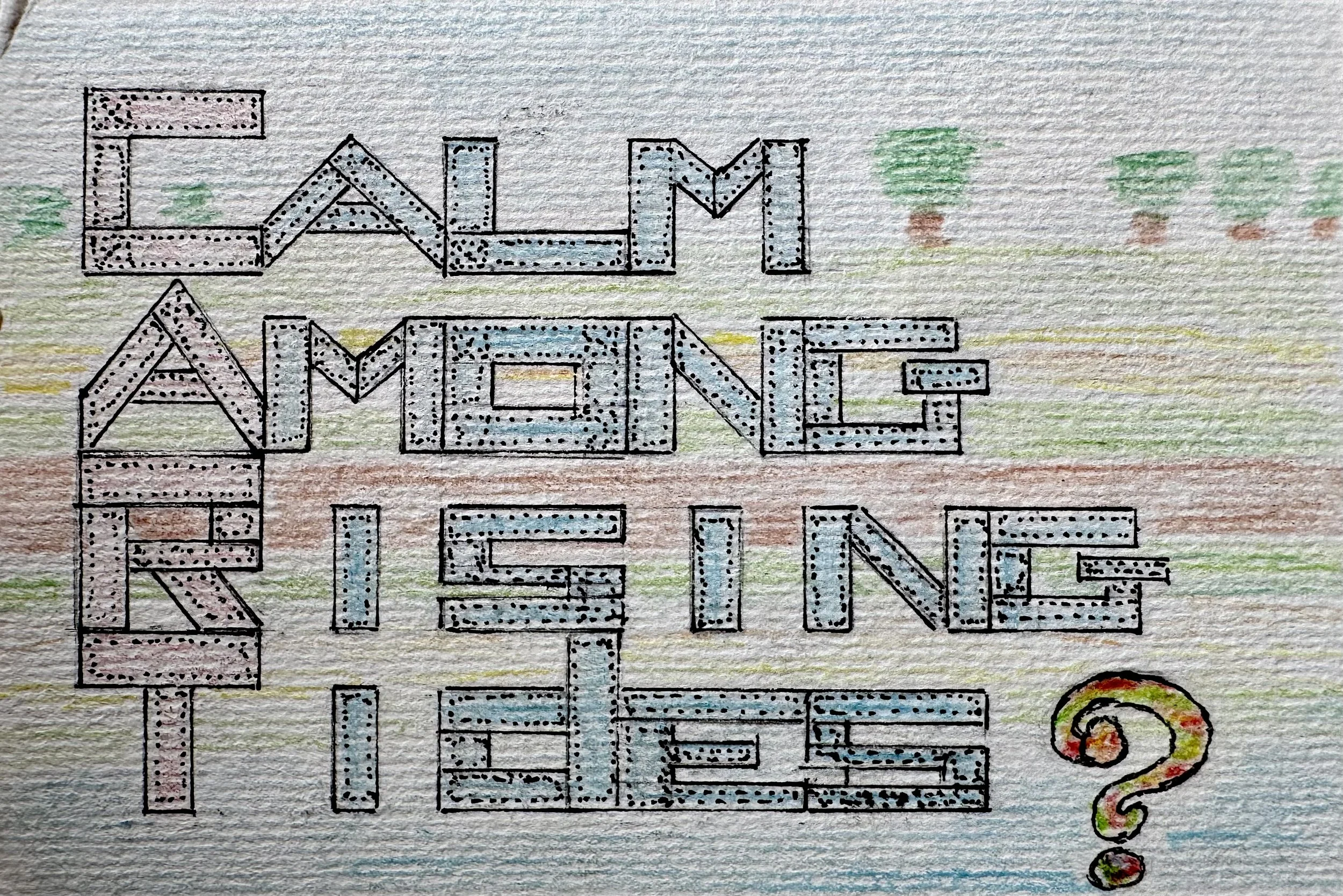
CALM AMONG RISING TIDES? (side one)
by Eric Smith
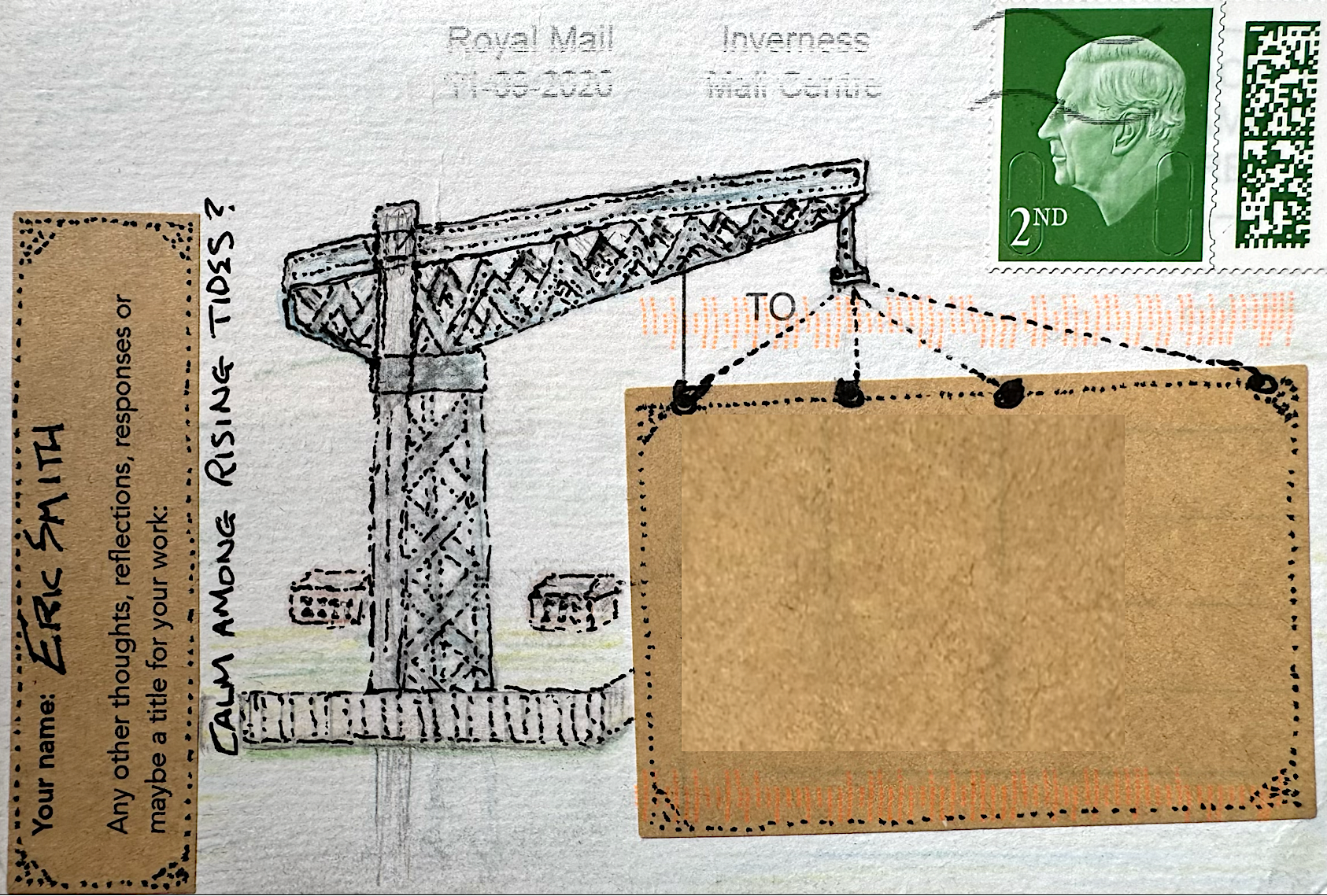
CALM AMONG RISING TIDES? (side 2)
by Eric Smith
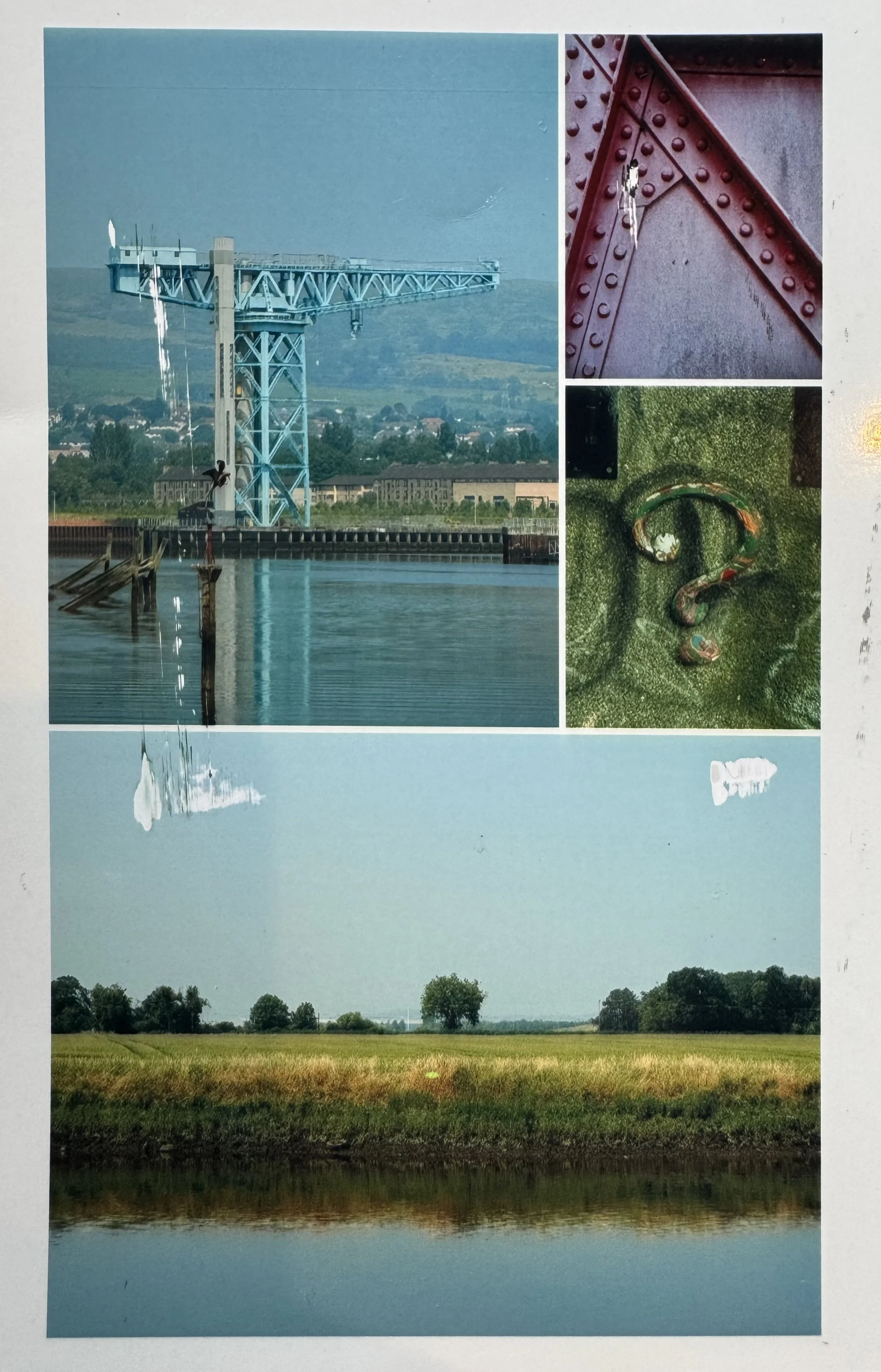
“Walking along the River Cart, from the bridge towards the Clyde, invoked a strong sense of calm. The noise of the traffic gradually became distant, replaced by the sounds of nature surrounding the river. The quietness allowed me to slow down and be present in the moment, away from the stresses of everyday life.
I hope the River Cart can remain a place of calm and tranquility, despite the rising tides.”
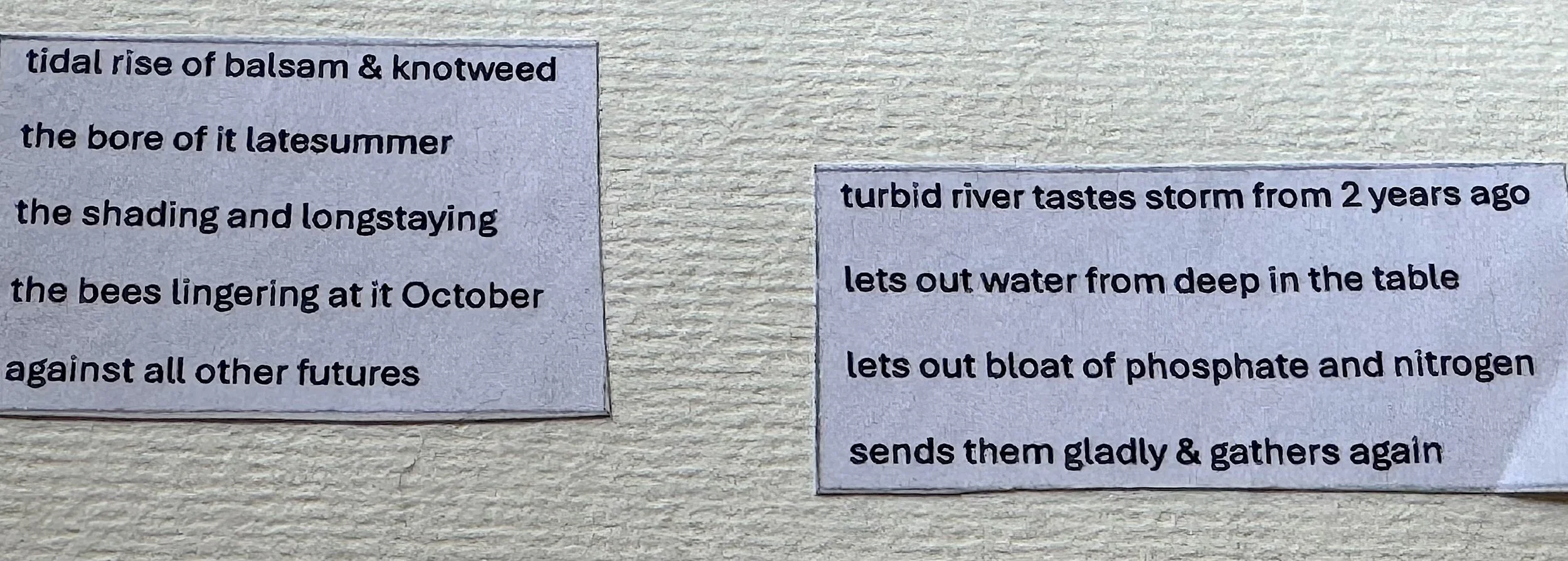
‘Scenes from the River’
Dave B, above & below
‘Fireweed makes peace from disturbance - look at it go!’
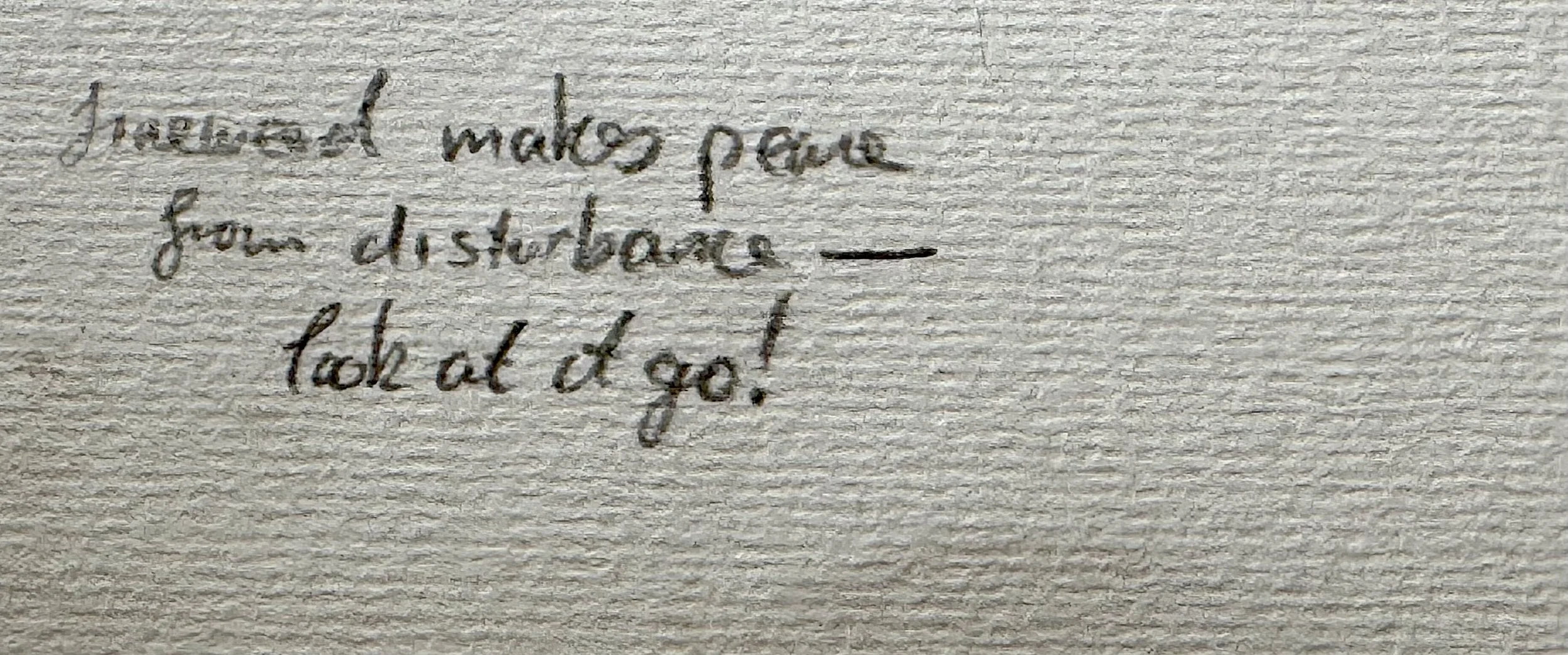
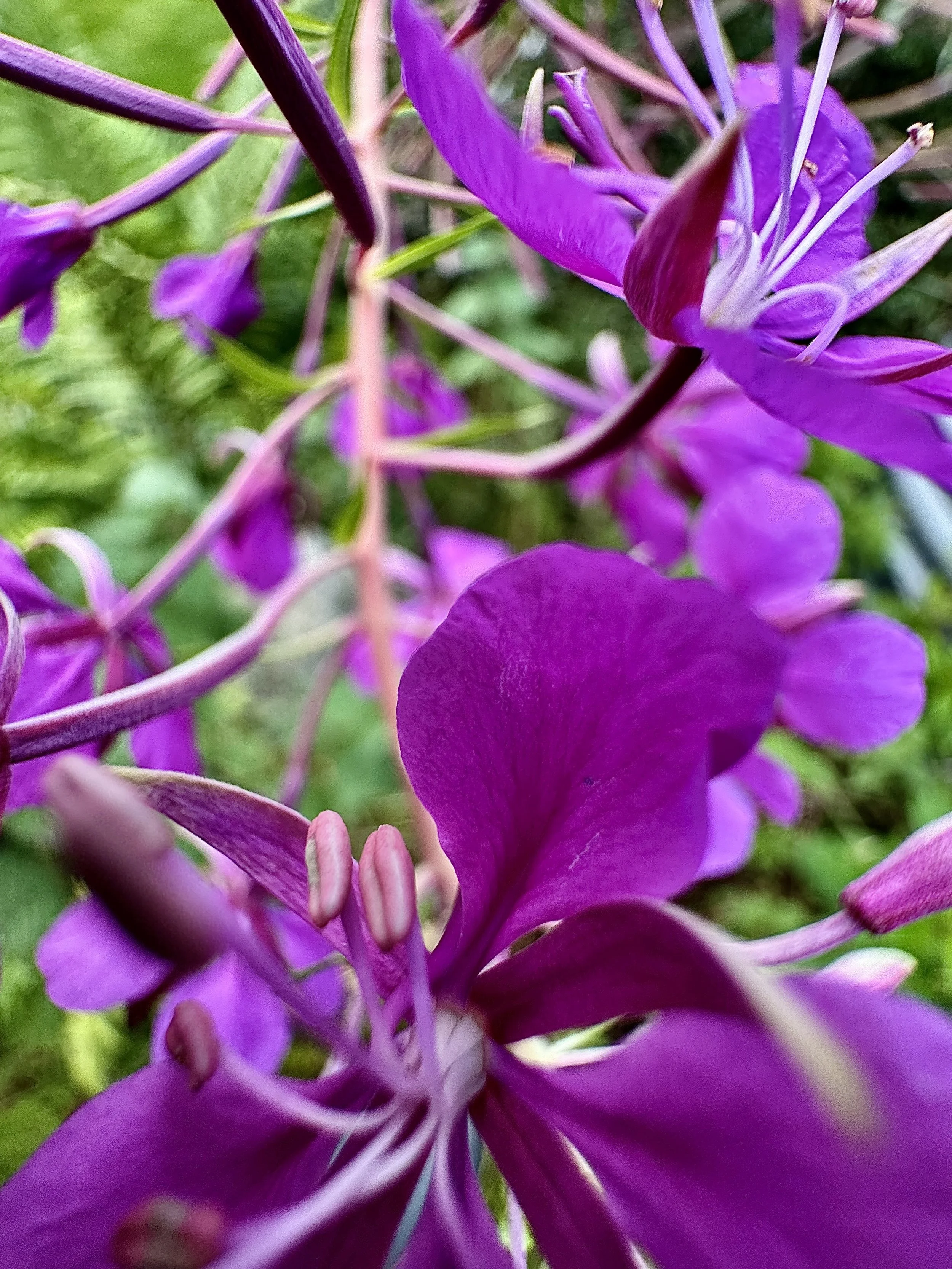
Common names: Rosebay willowherb, bombweed, fireweed (Chamaenerion angustifolium)
Note: Rosebay willowherb is a pioneer plant that thrives on open, disrupted and scorched ground - in particular where there’s plenty of sunlight and poor to moderately fertile soil.
The wind-dispersed seeds can travel anywhere from hundreds of metres to hundreds of miles from their parent plant. It serves as the primary food source for the elephant hawk-moth caterpillar.
Widespread along Scottish riverbanks, waste ground and other disturbed habitats, there’s a distinctive local connection to the plant through the name Singerweed: In March 1941, German air raids devastated Clydebank, including the extensive Singer Sewing Machine factory and surrounding industrial areas. In the summers that followed the ruined architecture and churned ground beside the Clyde and Cart became covered in a spectacular sea of pink rosebay willowherb - because of this abundance, amongst the ashes and ruins of the factory, it became associated locally with the site and acquired the distinctive nickname Singerweed in West Dunbartonshire and the wider Glasgow area.
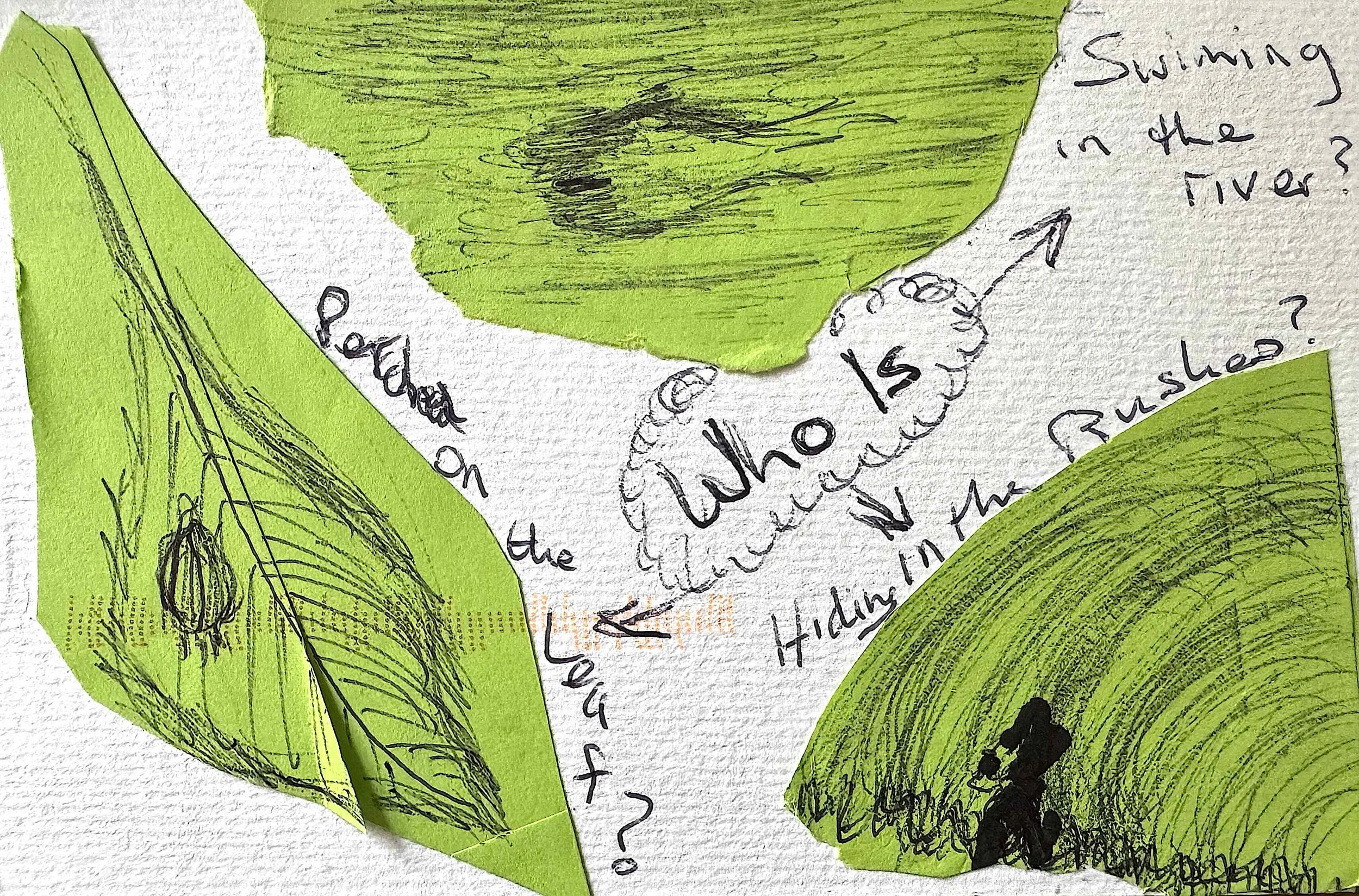
‘Who is?’ by Dr Liz Gardiner
Who is perched on the leaf?
Who is swimming in the river?
Who is hiding in the rushes?
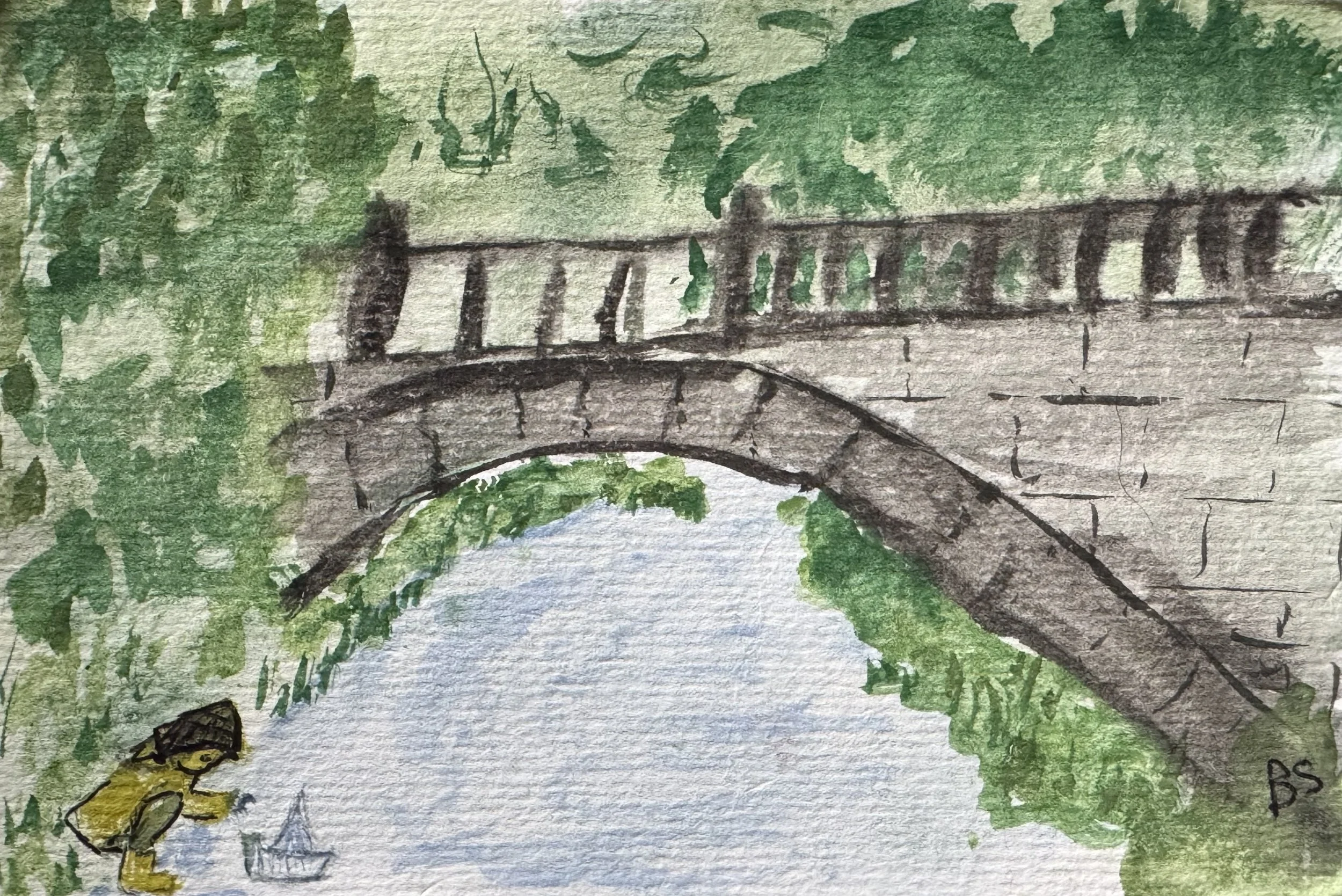
‘Pollock Park Sailing Paper Boats as a Child’ by Betty S, above
_________________________________
Note: Historic Environment Scotland describes the White Cart Water as flowing through the low-lying corridor of Pollok Park and forming part of its floodplain. Pollok Park can be thought of as more than just a green space, it is part of a blue-green corridor, a space that allows water to spread out and slow down, potentially reducing flood peaks downstream.
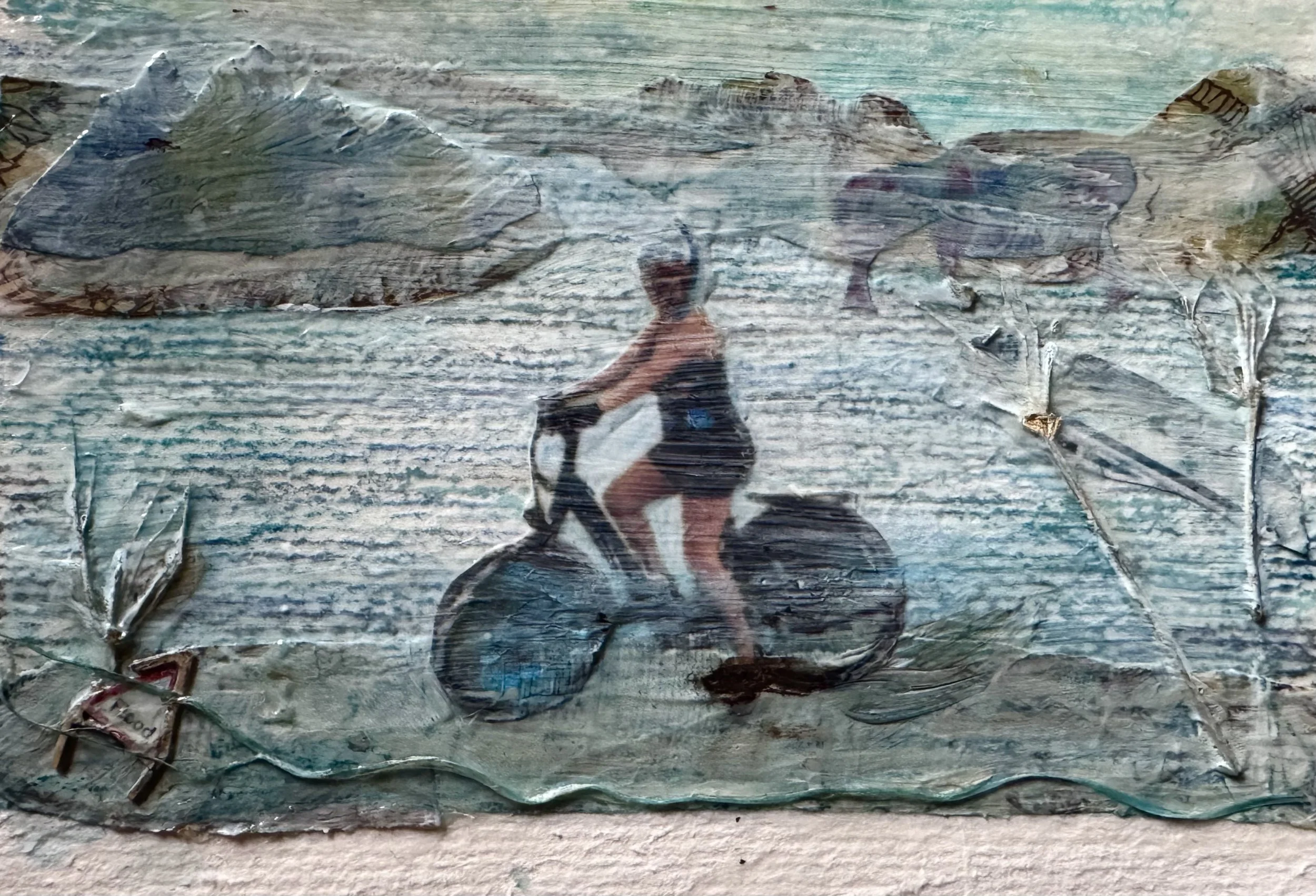
‘Pedal Power’ by Sooz Steell, above
‘I feel very worried about future water levels rising along the Cart and Clyde -I regularly cycle this route and to think this whole area, where I cycle and live (Erskine), could be underwater soon is unimaginable’
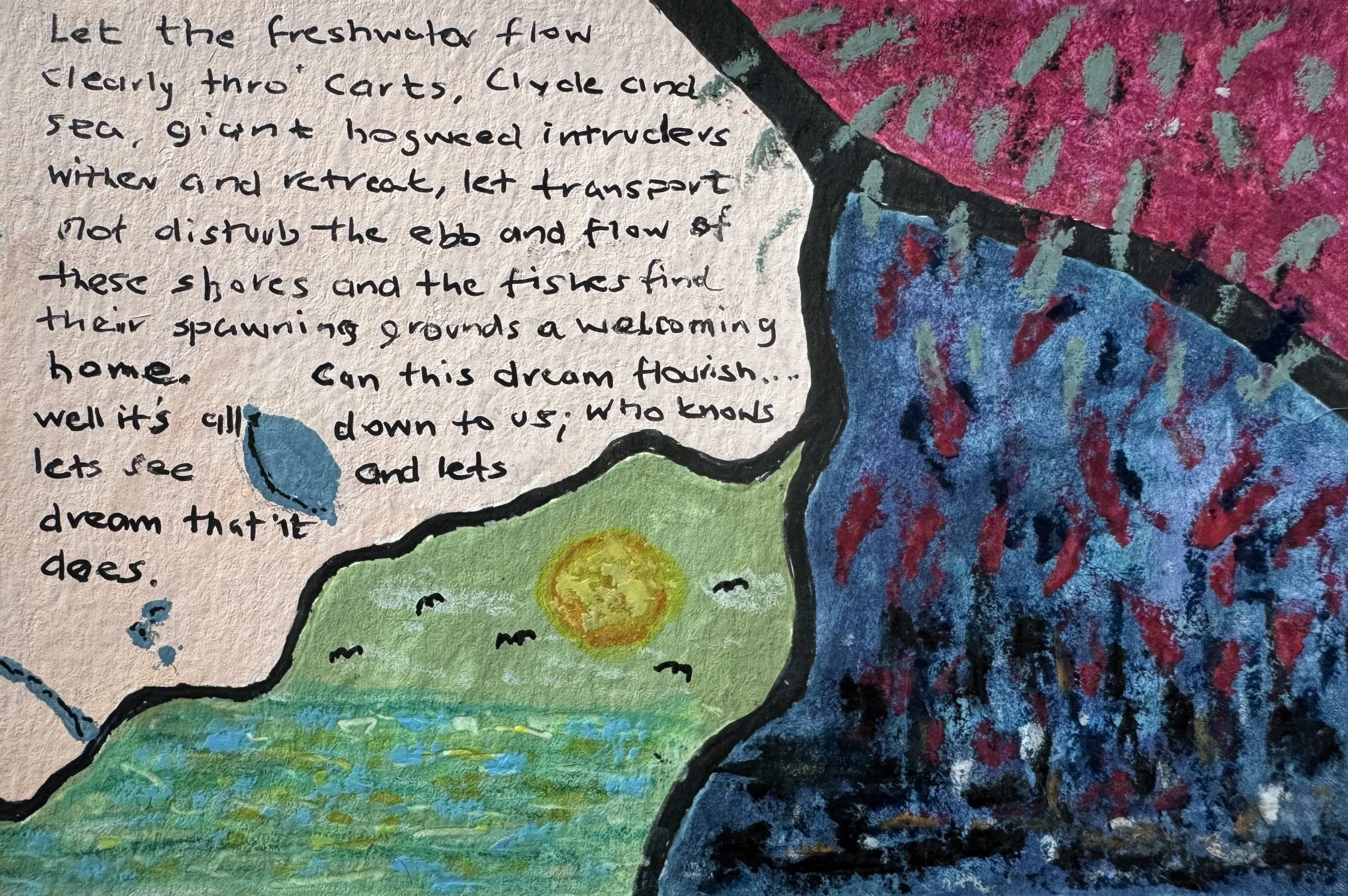
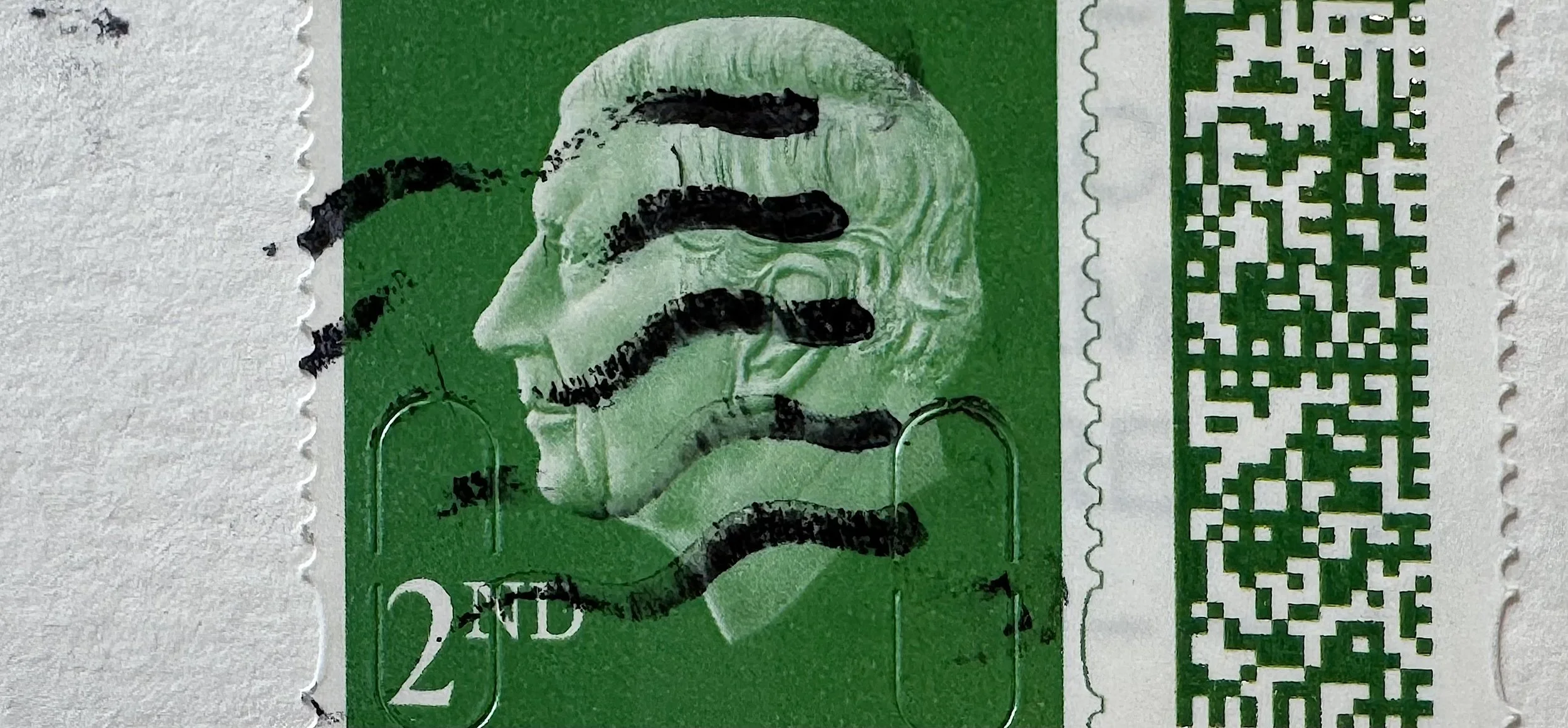
Stuart Smith, above: ‘The shape that the rivers made intrigued, me hence my approach - I hope they maintained their shape despite fossil fuel generation > acid rain/poor climate > sunshine and sea > I saw the face outline from the Black Cart’s profile… LET’S HOPE’
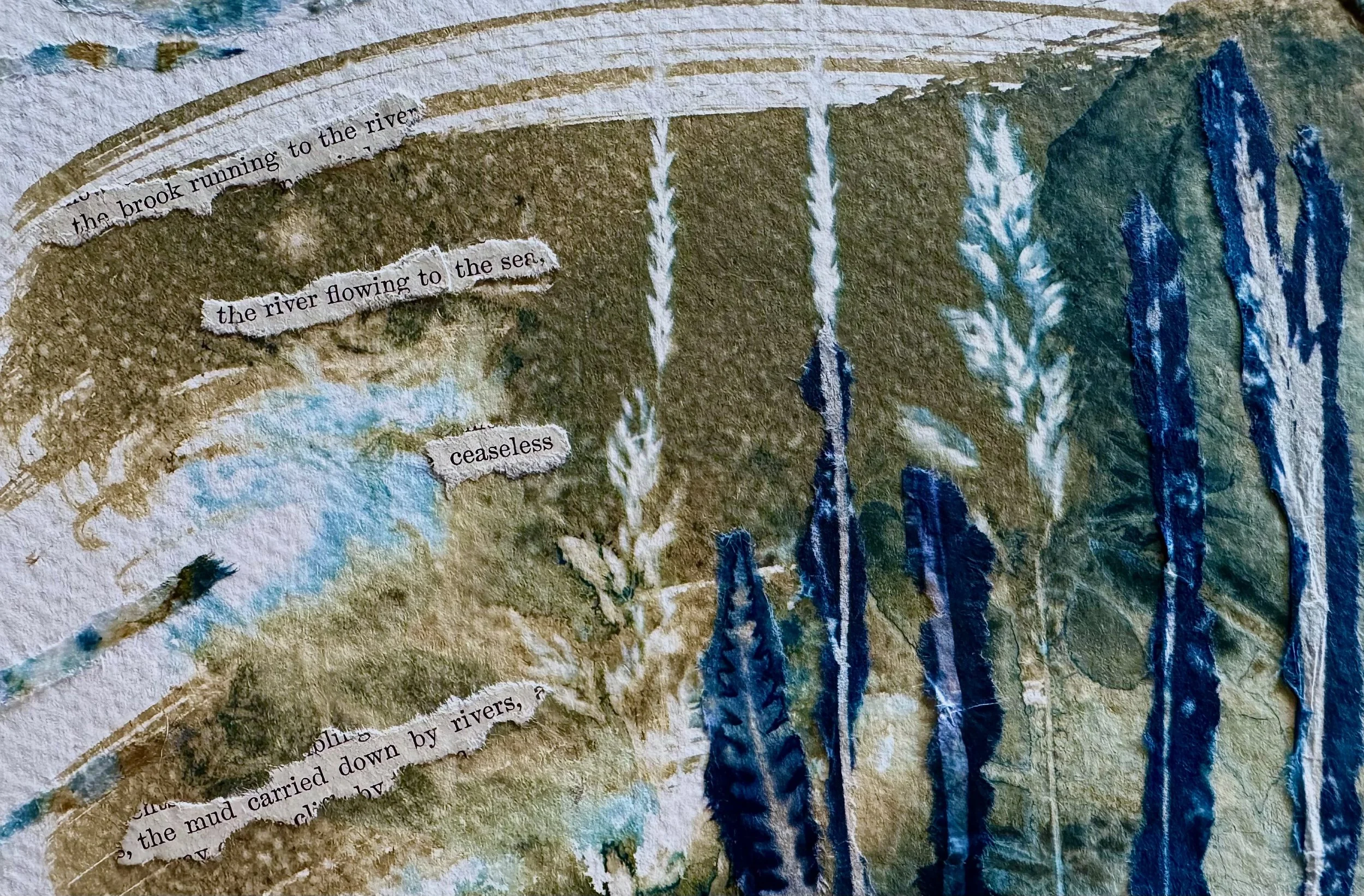
‘CART2CLYDE CYANOTYPE’ by Carole Gledhill
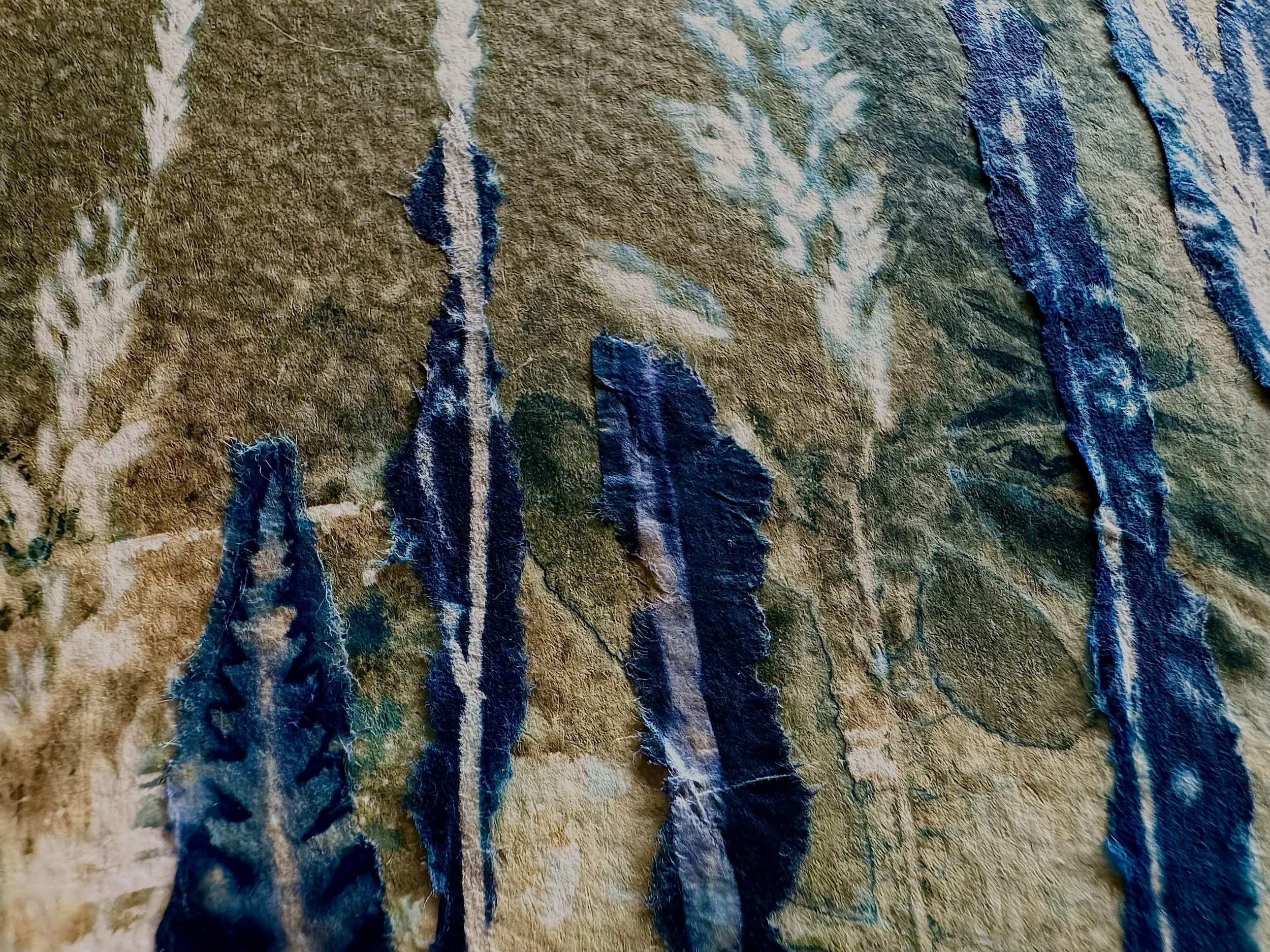
‘Apart from the text, all elements of my response are produced using the cyanotype process.
I recognise that the embankments of the rivers were not always so, but they provide a good habitat for a variety of plants, and much needed cover for birds, even though some invasive species threaten the balance.
I love the walk along the riverside, and to stand on the bridges and marvel at the powerful flow of water. I hope that nature will prevail and adapt.’
Carole Gledhill
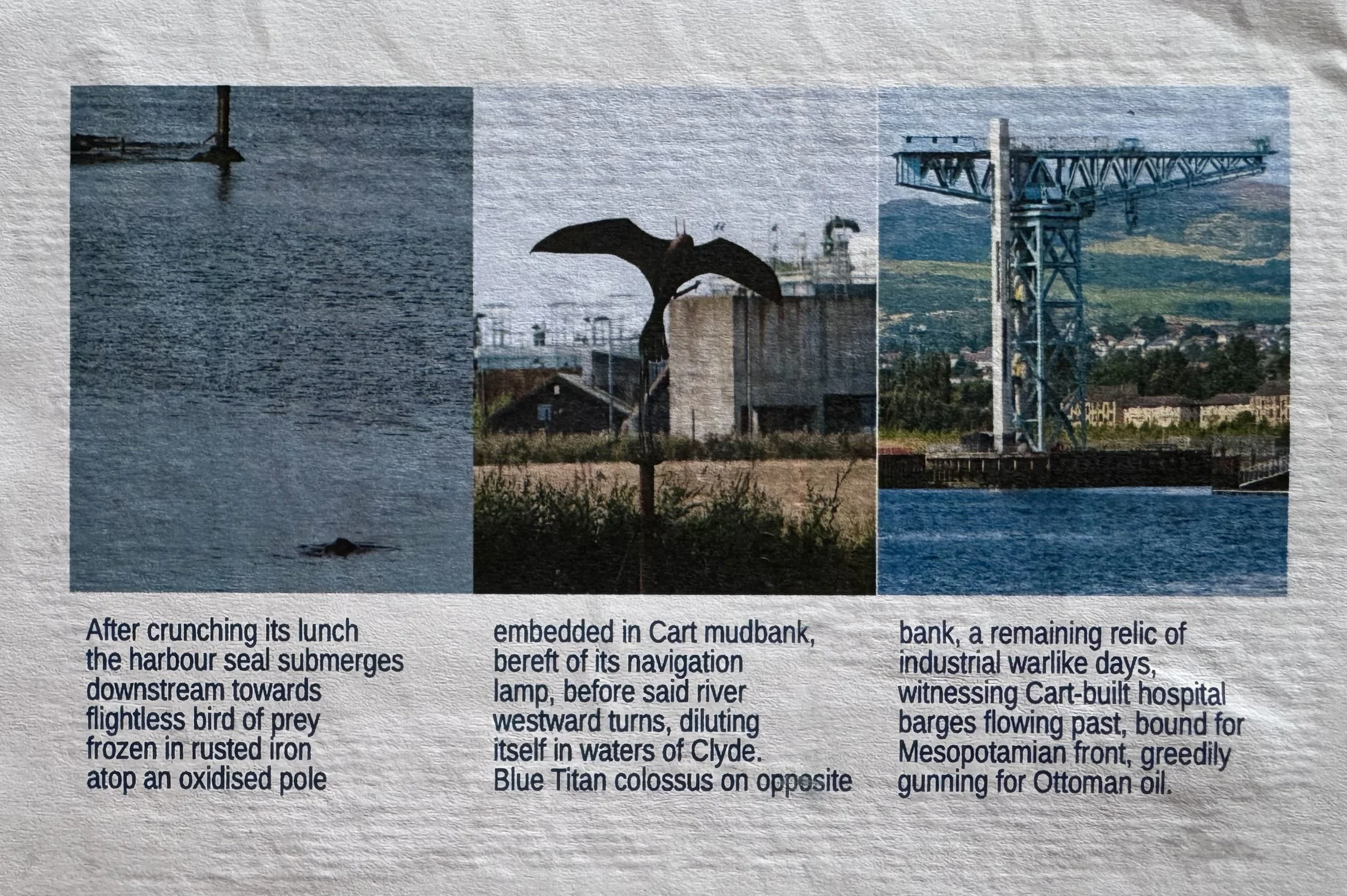
‘Cart 2 Clyde - Now & Then’ by Anthony Márquez, above
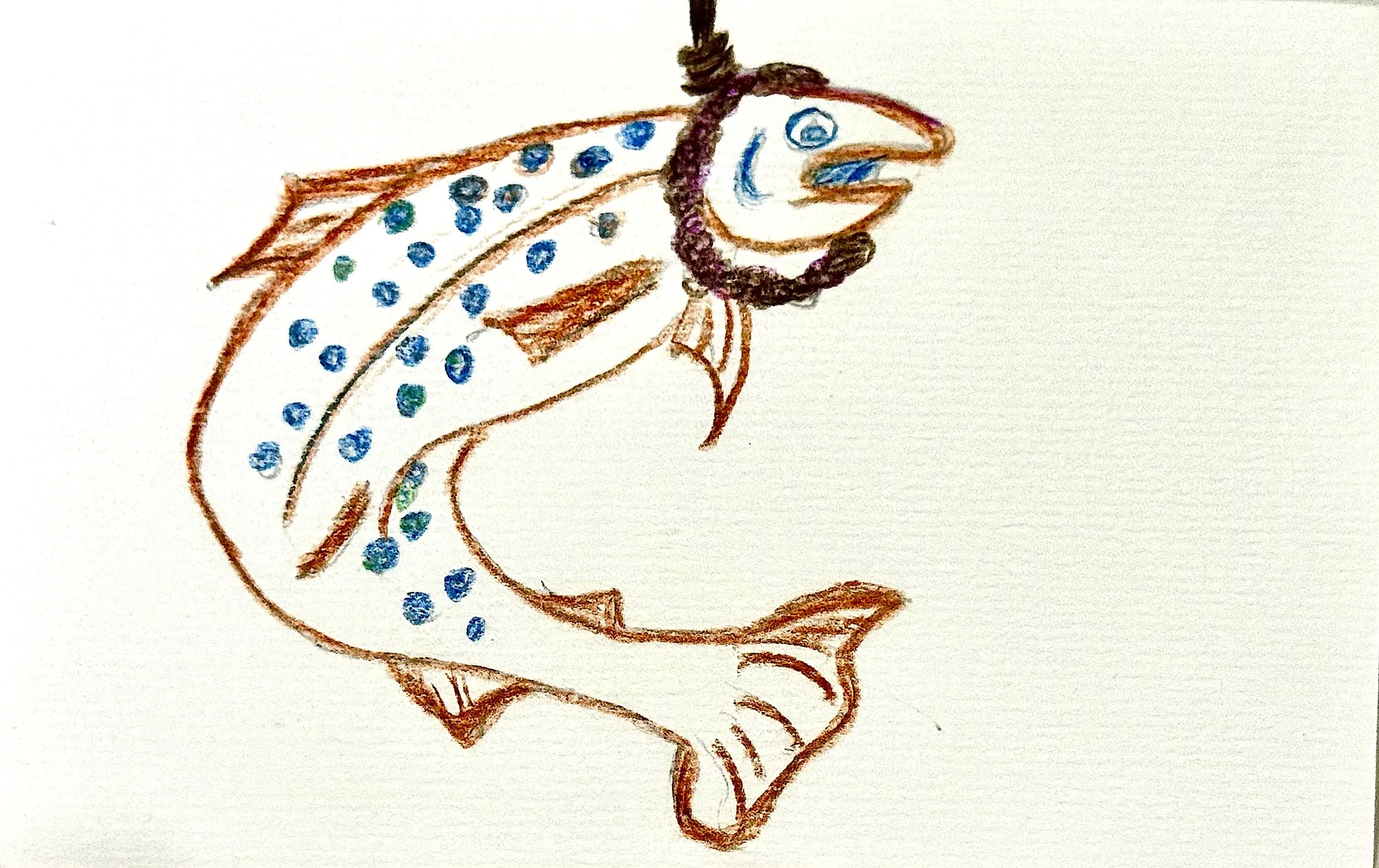
‘Death of a Fish’ by Basia Palka, above
_________________________________
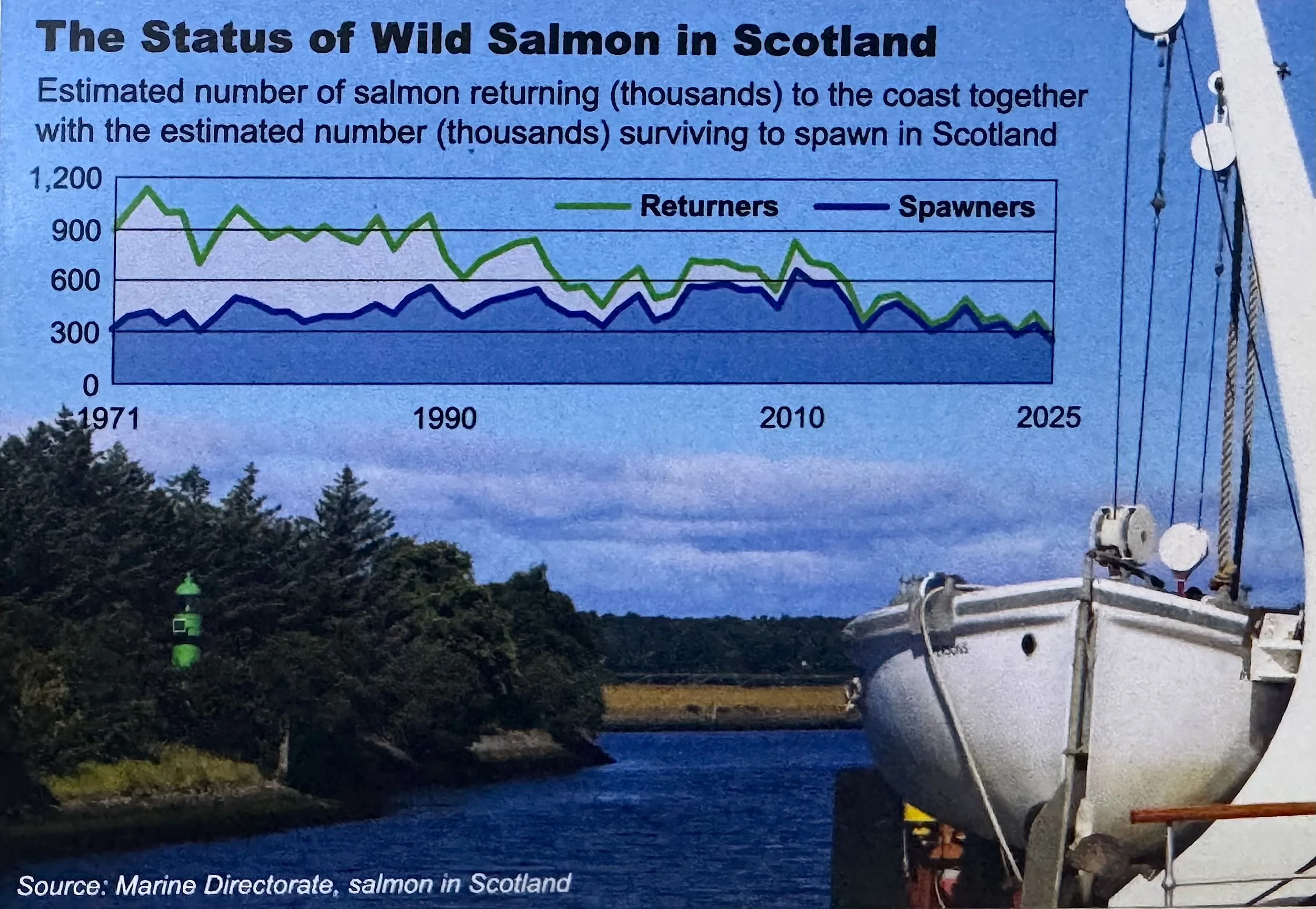
Note: The White Cart has recovered significantly from the severe pollution once associated with Paisley’s mills and dye works, allowing salmon to return to parts of the wider Clyde system. However, climate change presents a new and growing threat to this recovery, as migratory fish experience these pressures throughout their entire life cycle, from warmer rivers and changing flows during spawning and migration to rising sea temperatures. All of which can alter food availability and reduce the chances of survival.
_________________________________
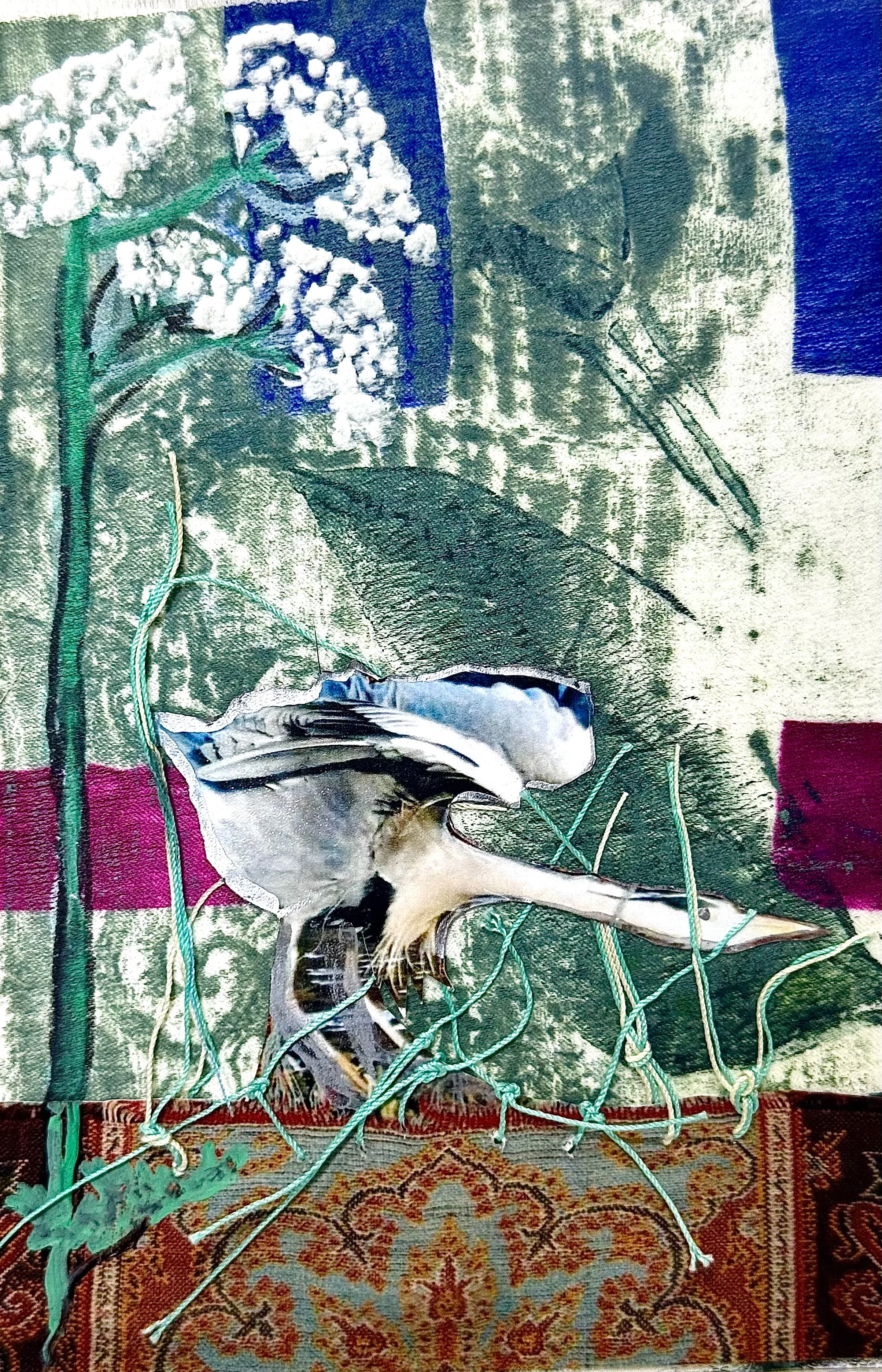
‘The White Cart River allowed Paisley to flourish, carrying away the waste from the mills and dye works. All are gone now and fish, birds, and otters are returning.’
Kate Lynch, above
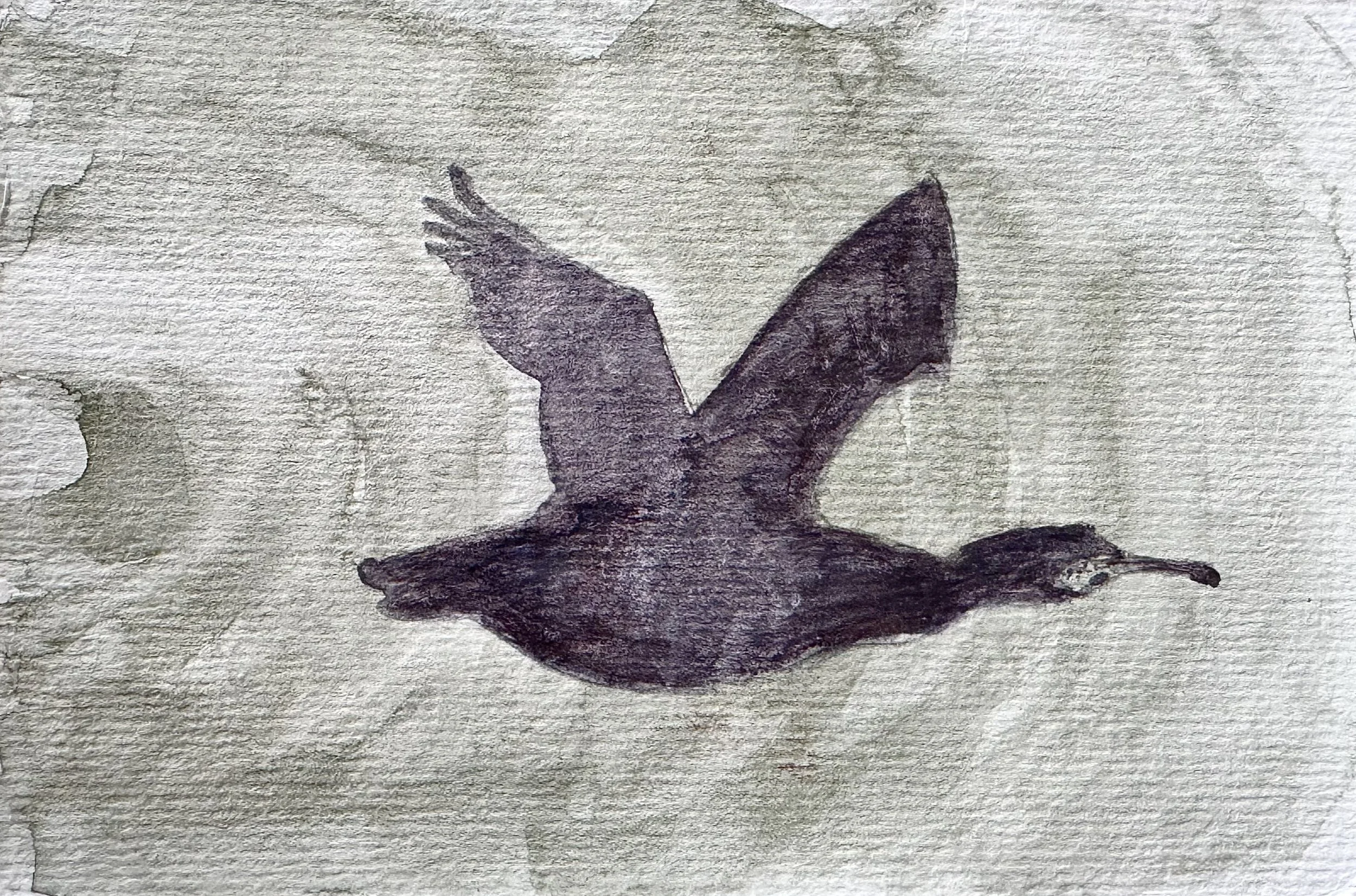
‘At the Confluence’ by John Miller
“When the tide overwhelms the Hamills, and the people of Paisley are aghast, the climate change campaigners can say now: Believe Us At Last. I HOPE THAT DAY NEVER COMES!”
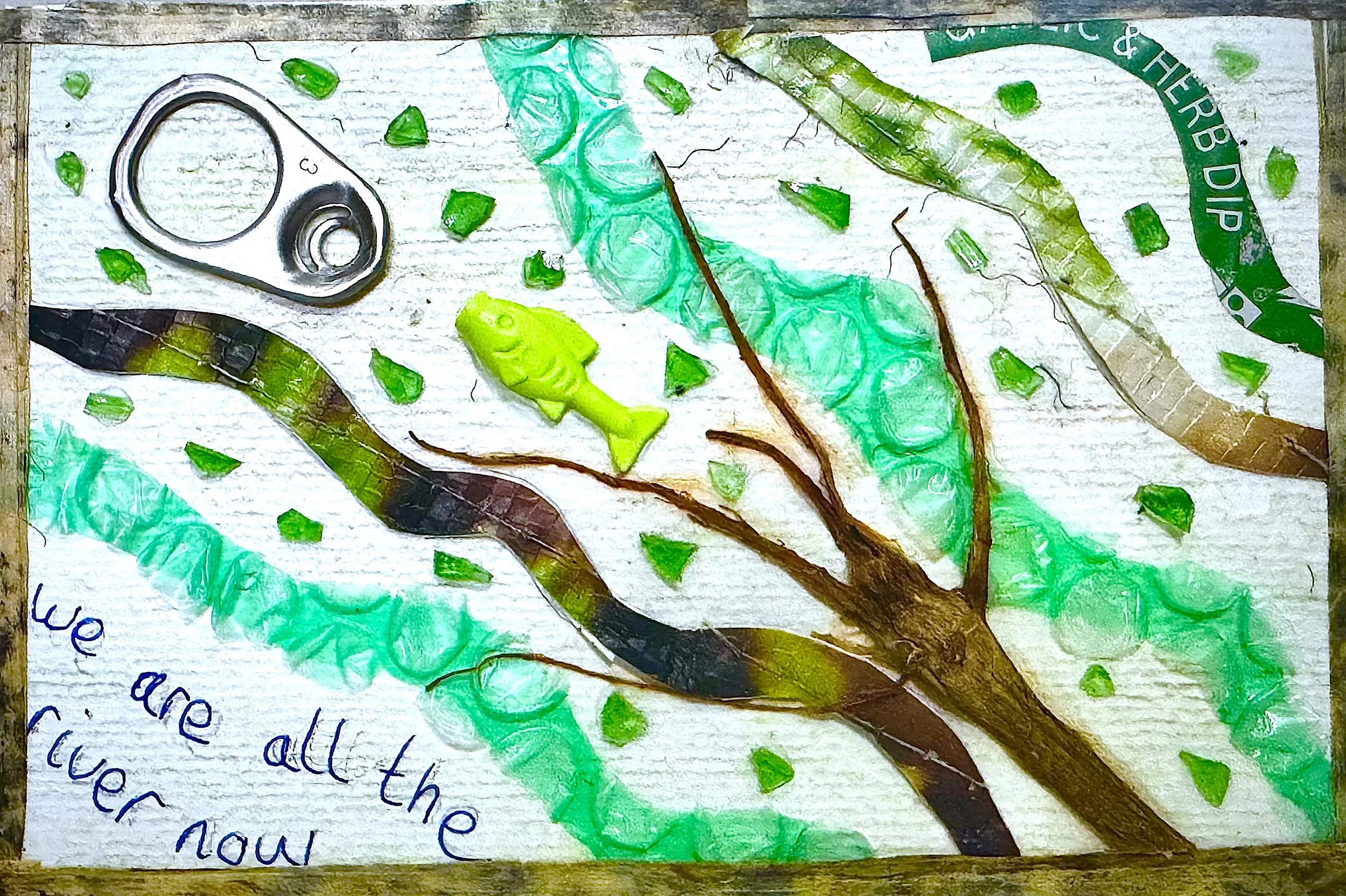
‘We Are All The River Now’ by Morag Smith, above and below
Mixed media: Himalayan Balsam root & stems, drinks can ring-pull, broken beer bottle pieces, Lego, bubblewrap, sauce lid from takeaway, shredded carrier bag
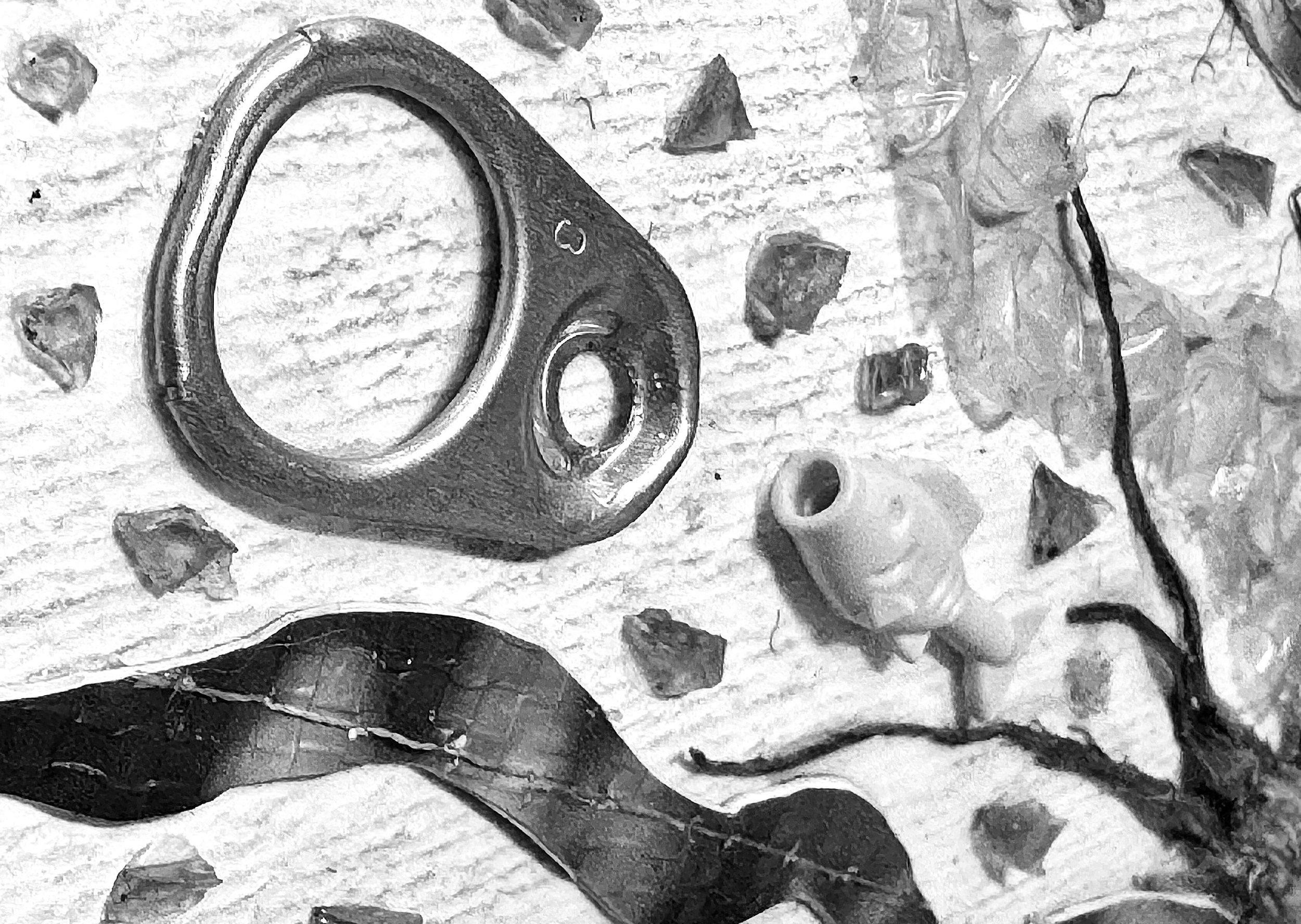
‘We Are All The River Now’ by Morag Smith (close-up detail)
‘I live in Paisley, near the path that runs beside the River Cart. There’s a lot of human detritus around it, and Himalayan balsam, so I made something using this stuff’
_________________________________
Note: Along the banks of the River Cart, Himalayan Balsam (Impatiens glandulifera) has become a vigorous and unwelcome presence - spreading rapidly through the river corridor and pushing native vegetation aside. Reaching heights of up to three metres, it can form dense, towering stands that cast deep shade, leaving little light, space or opportunity for native plants to thrive. Its greatest impact comes when the growing season ends. As an annual plant with a shallow root system, Himalayan balsam dies back completely in winter, leaving sections of riverbank exposed and fragile. Without the anchoring strength of permanent vegetation, bare soils are more easily washed away, contributing to bank erosion and the gradual destabilisation of the river corridor.
Its influence does not end when the plants disappear. During periods of high water, the fallen stems and decaying vegetation can be swept into the river, where accumulated debris may obstruct flows and potentially increase local flood risk. At the same time, Himalayan balsam continues its advance through an exceptionally effective method of seed dispersal. Each plant can produce hundreds of seeds, held within pods that burst explosively when ripe, scattering them several metres from the parent plant. Once released, the seeds can be carried even further by the moving water of the River Cart, allowing new colonies to take root downstream.
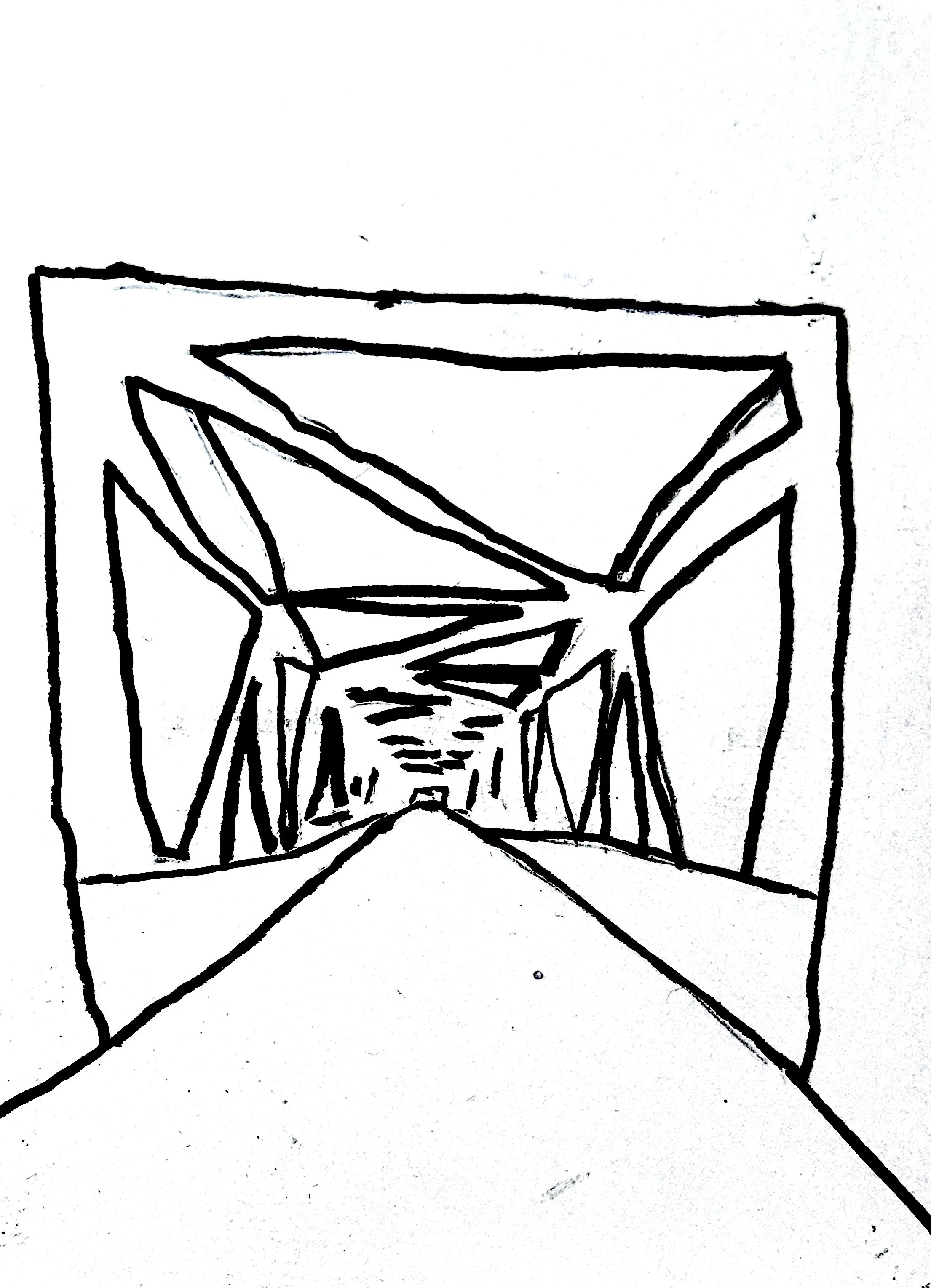
‘Black Cart Bridge’ by Rory Lynch, aged 11
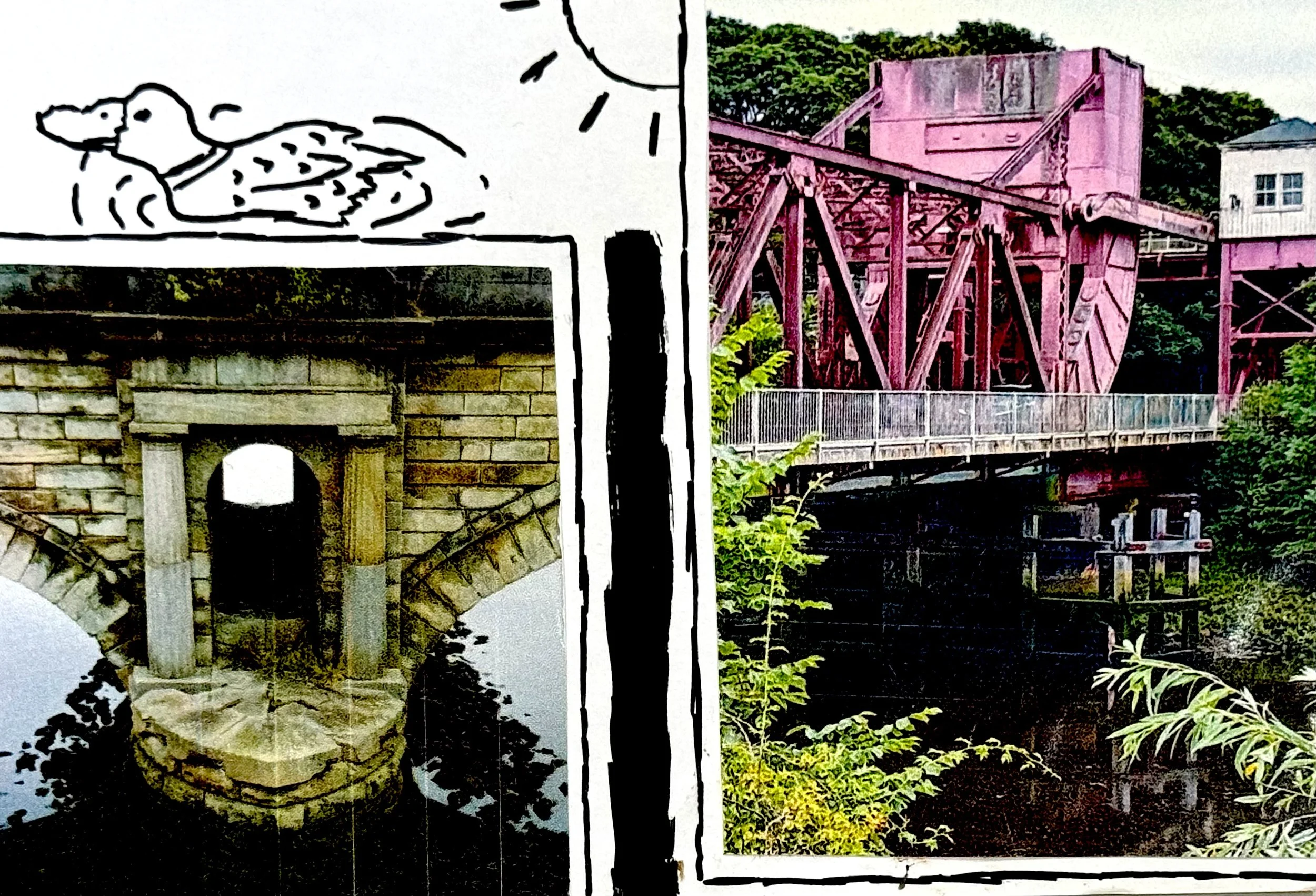
‘Old Bridges’ by Brendan Lynch, aged 14
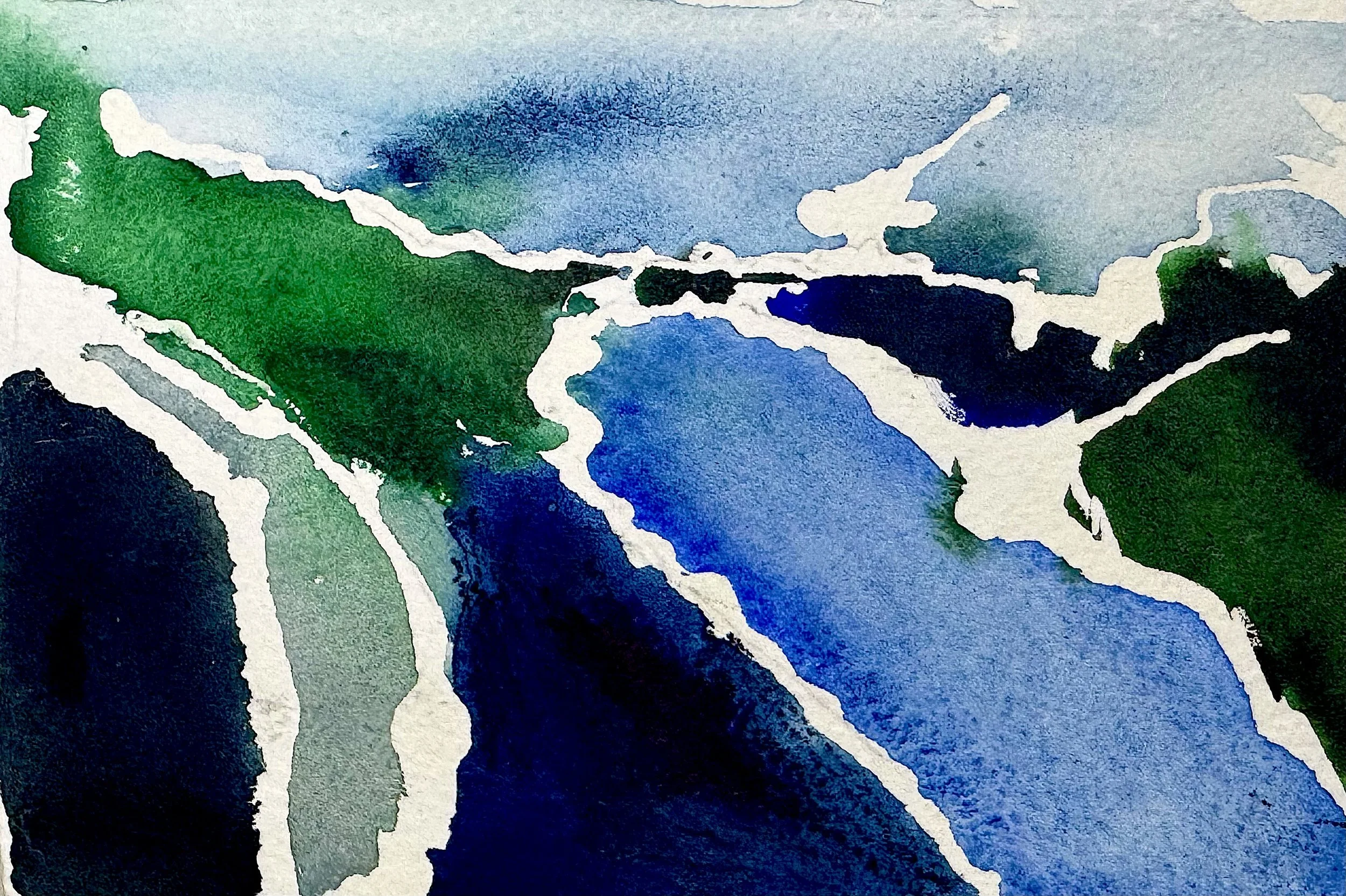
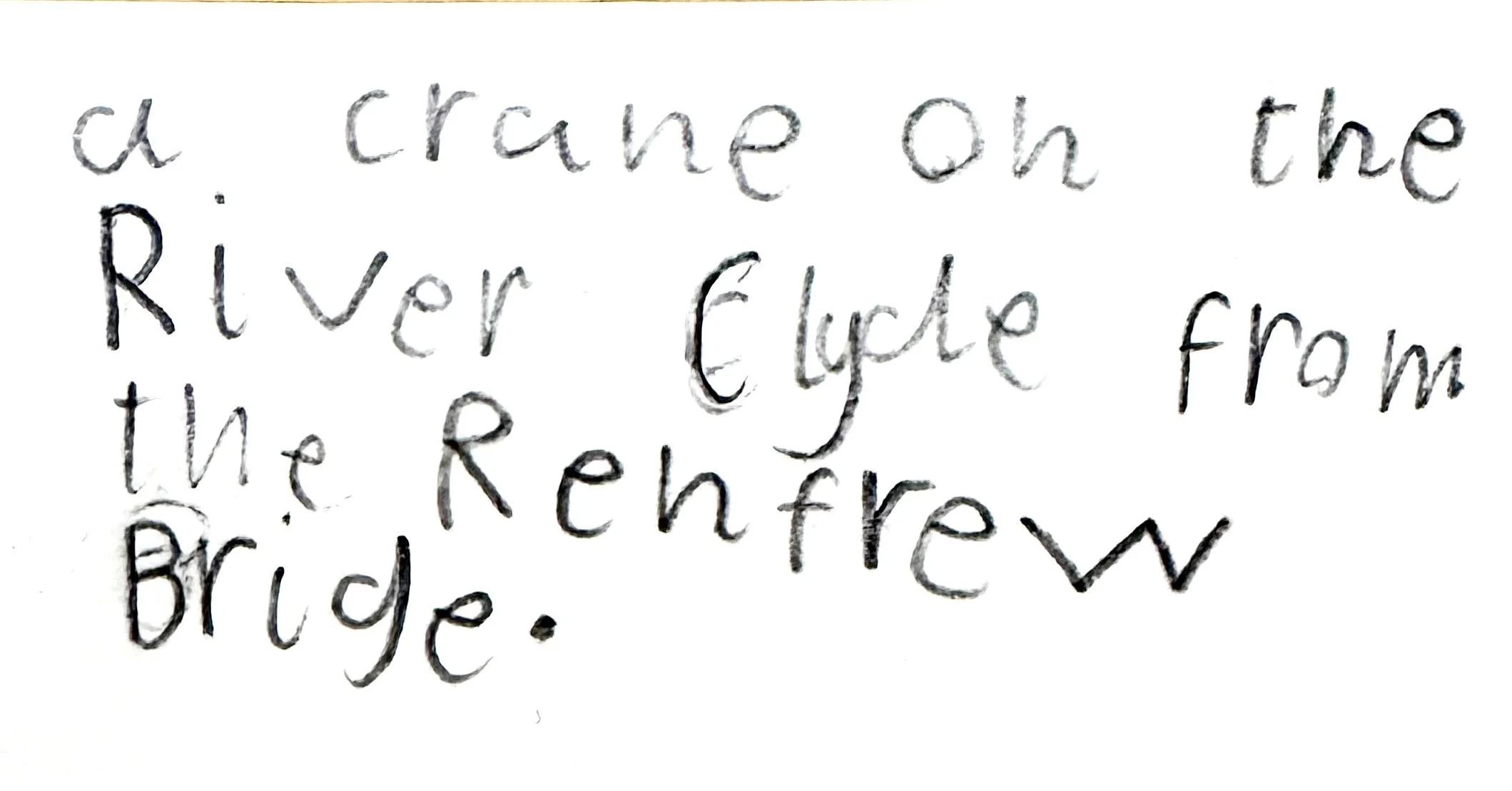
‘A crane on the River Clyde from the Renfrew Bridge’
Darragh Lynch, 7yrs old, above & below
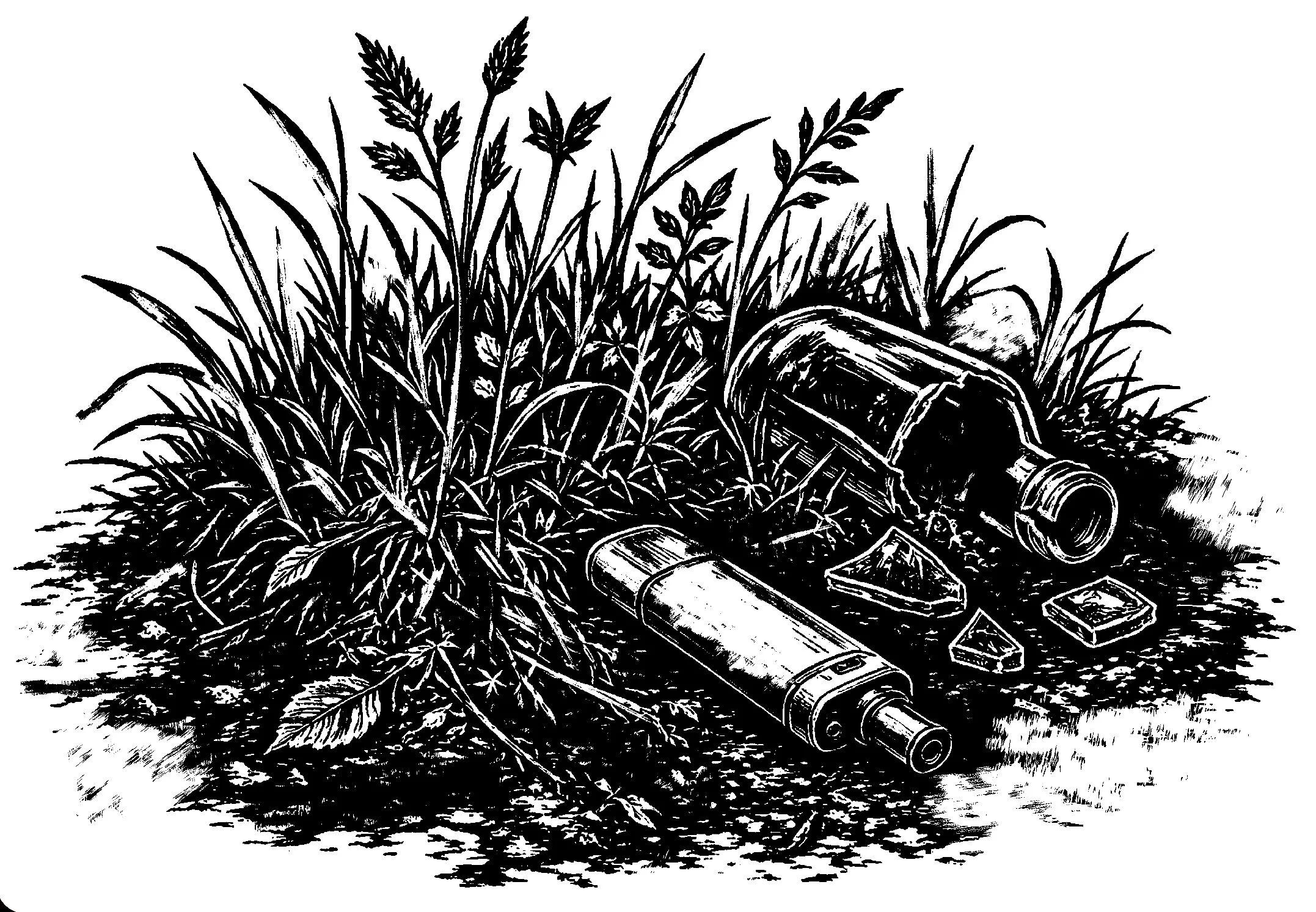
‘Great Piece of Turf (Das große Rasenstück) - The River Cart, after, Albrecht Dürer’ (2026) by Robyn Woolston
_________________________________
Note: Inspired by Albrecht Dürer’s Great Piece of Turf, this postcard reimagines the humble riverbank as a landscape transformed by the discovery of a discarded vape, a broken bottle and the realisation that microplastics have been found in the River Cart. Beneath the delicate beauty of grasses and sediment lies an invisible accumulation of synthetic fragments, drawing attention to the unexpected presence of human-made materials within rural and urban freshwater ecosystems.
Academic Source: ‘Distribution, Characterization and Risk Assessment of Microplastics in Two Rivers in West Central Scotland: The Black Cart Water and White Cart Water’ by Daniel E. Enenche, Christine M. Davidson, Walter B. Osungbemiro and John J. Liggat
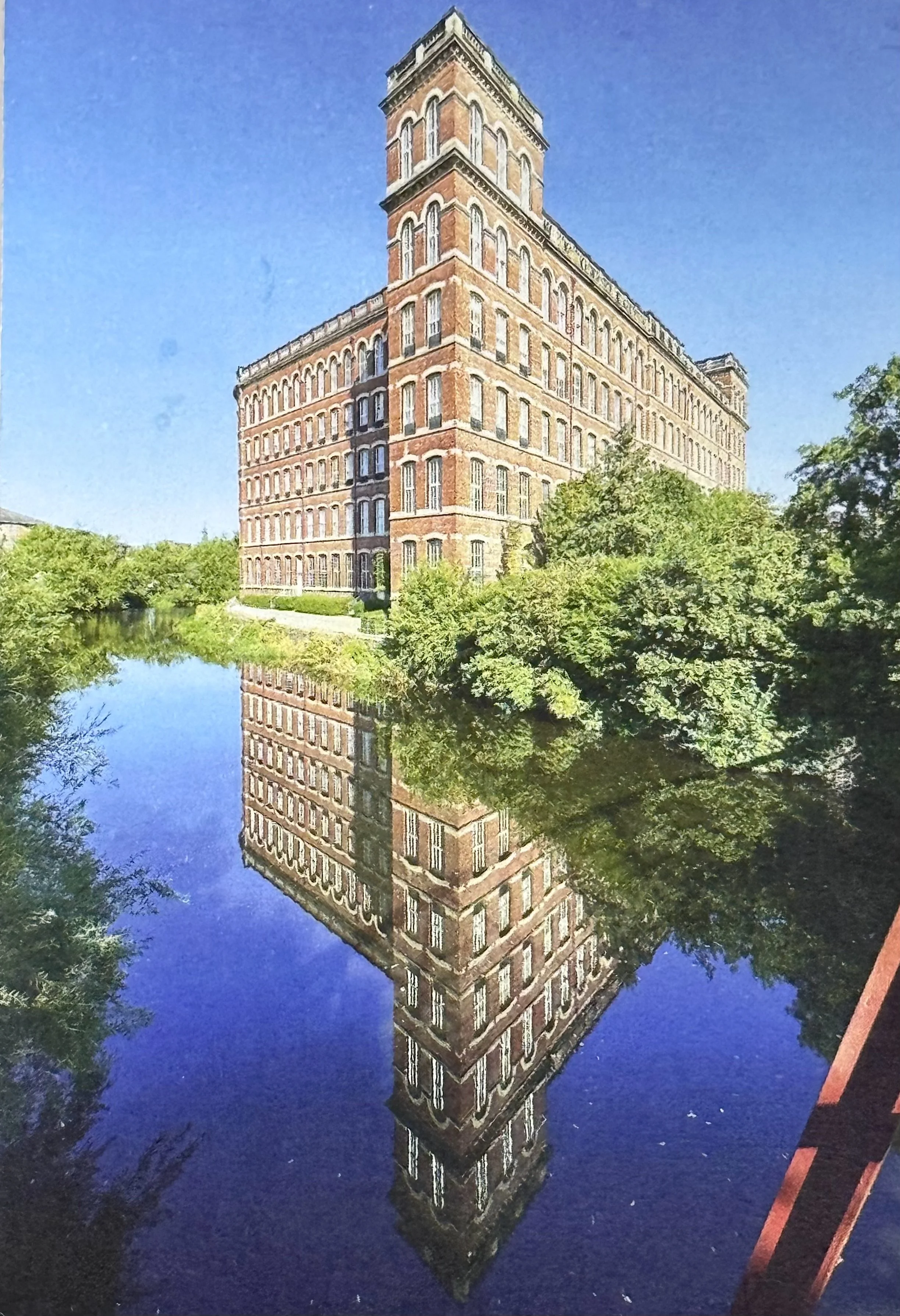
‘A View from the Bridge’
Picturing Paisley member Karen Bohme
Picturing Paisley is a photographic collective of amateur photographers who came together to make a project under the townscape heritage initiative managed by Renfrewshire Council, focusing on the impact of the textile and thread industrieson the town of Paisley and wider Renfrewshire. Following a very successful exhibition, the group decided to remain together to help one another develop through the art of photography and our various creative interests. Through our collaboration, we are growing our interests in art, culture and community. Our philosophy is to support Paisley and Renfrewshire as positively as we can through the medium of Photography, and to help local groups, businesses and individuals thrive and grow in the community. We are interested in finding different ways to make photography accessible to all and have hosted exhibitions in shops, libraries and fences in and around Paisley.
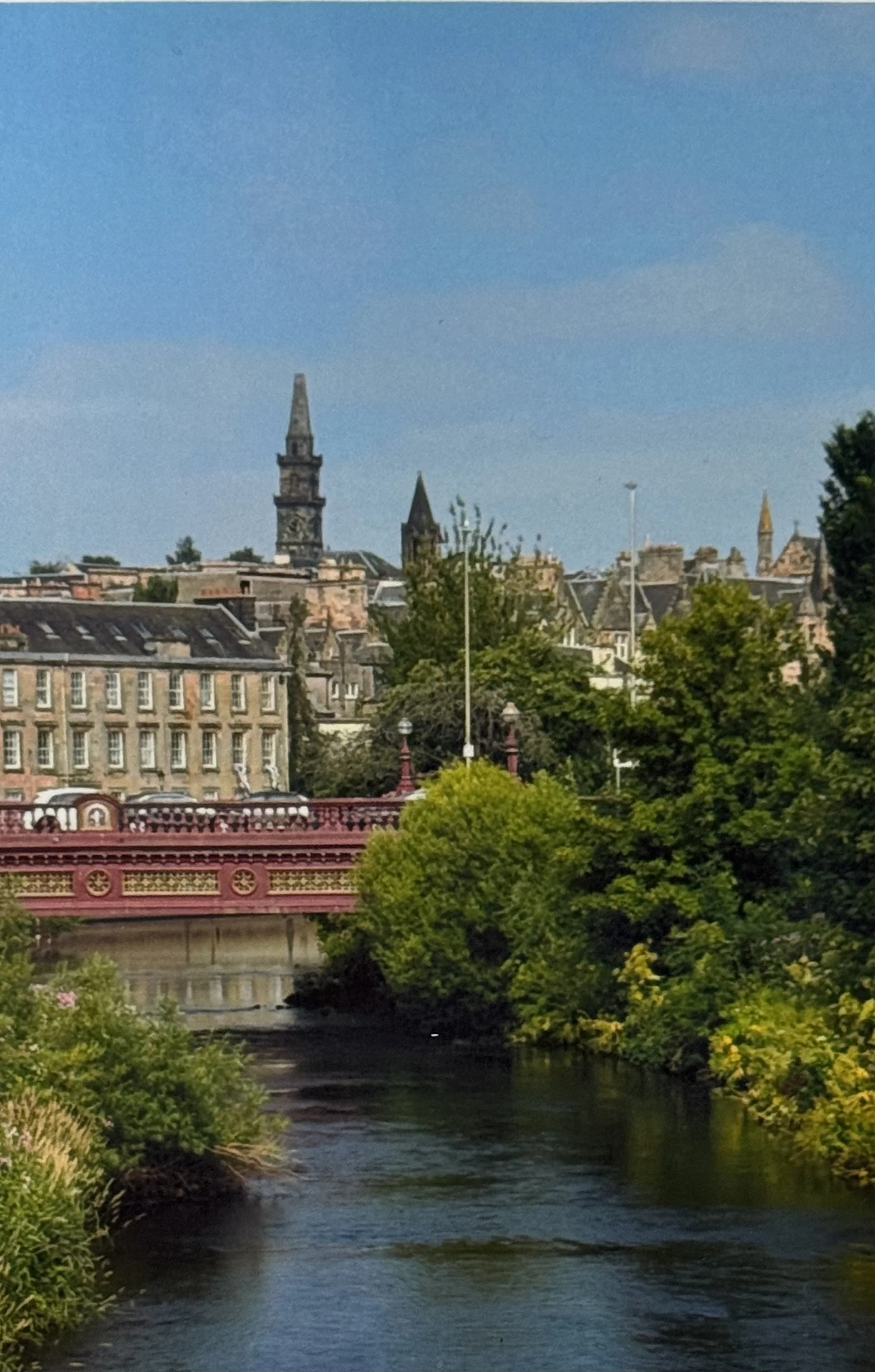
Picturing Paisley member Avi Mendez
“Perhaps upon the River Cart or by the dwindling streams we feel a heart that’s beating power, without some other means. A power that turns the waiting tideland waters plants and flowers. Turning man towards his God in every waiting hour”
Joseph McTaggart
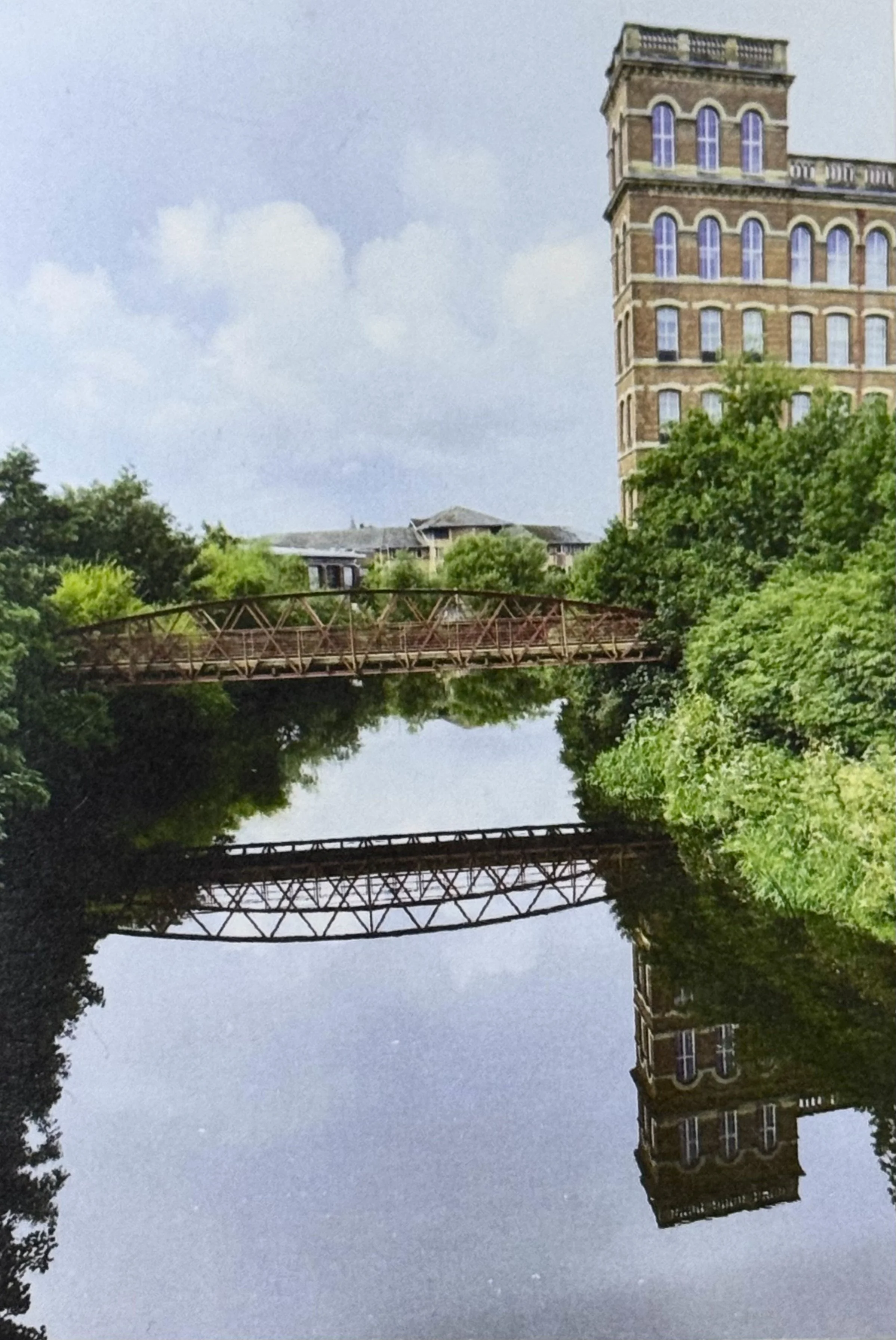
Picturing Paisley member Christine Kyle
‘Reflections’
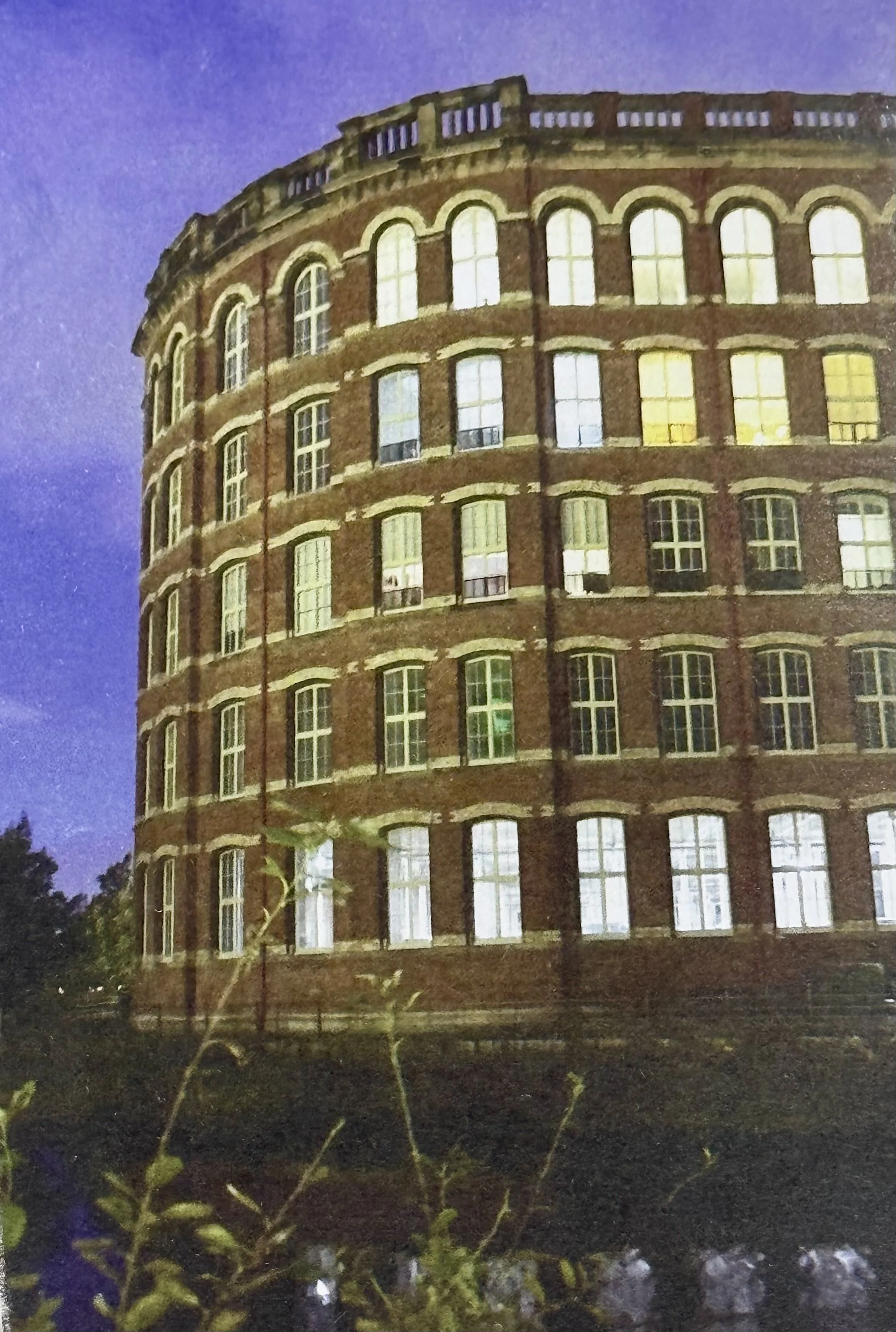
Picturing Paisley member Kate Lynch
‘We Live Here Now!’
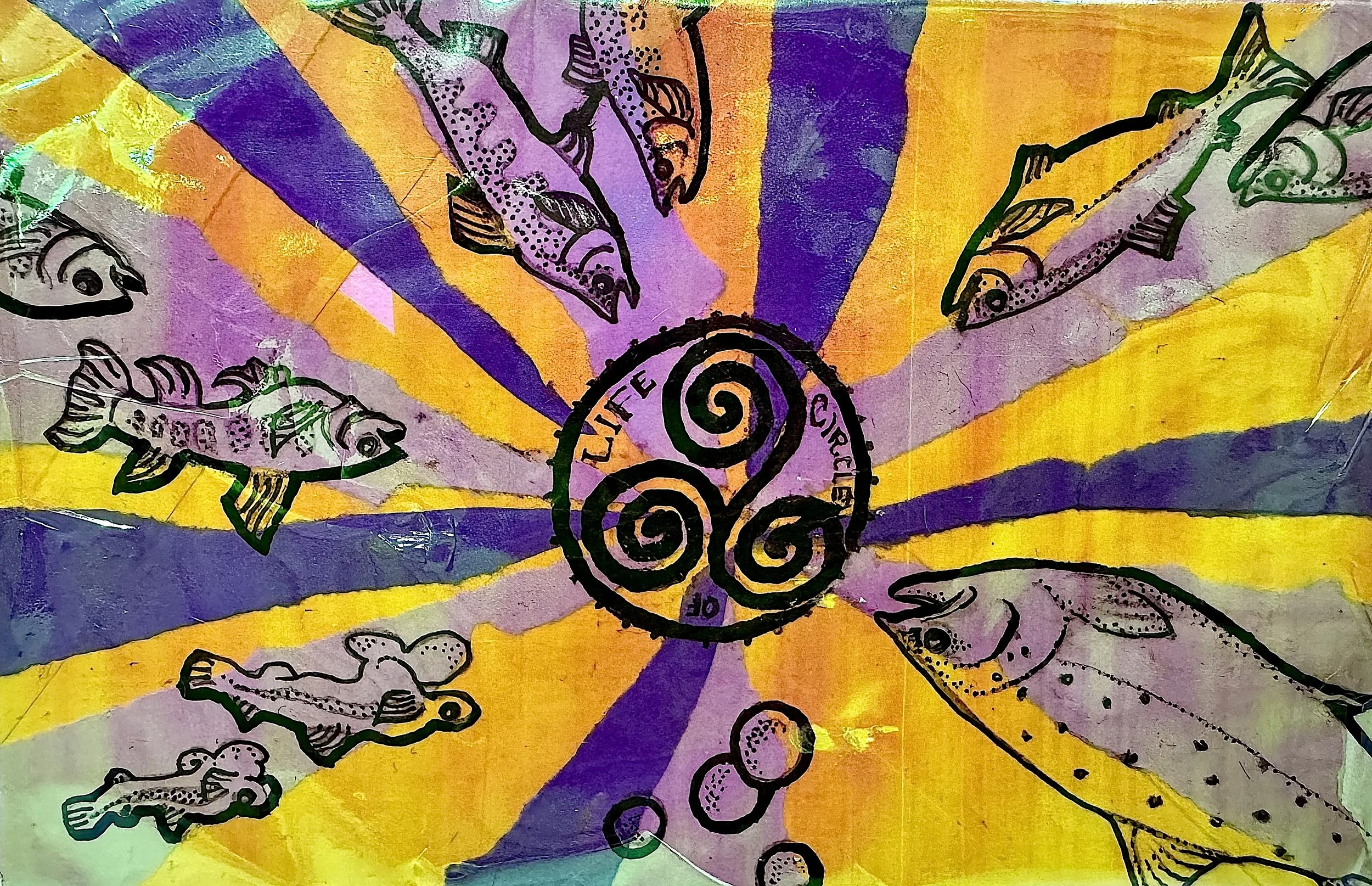
‘Circle of Life’ by John Papasian, above & below
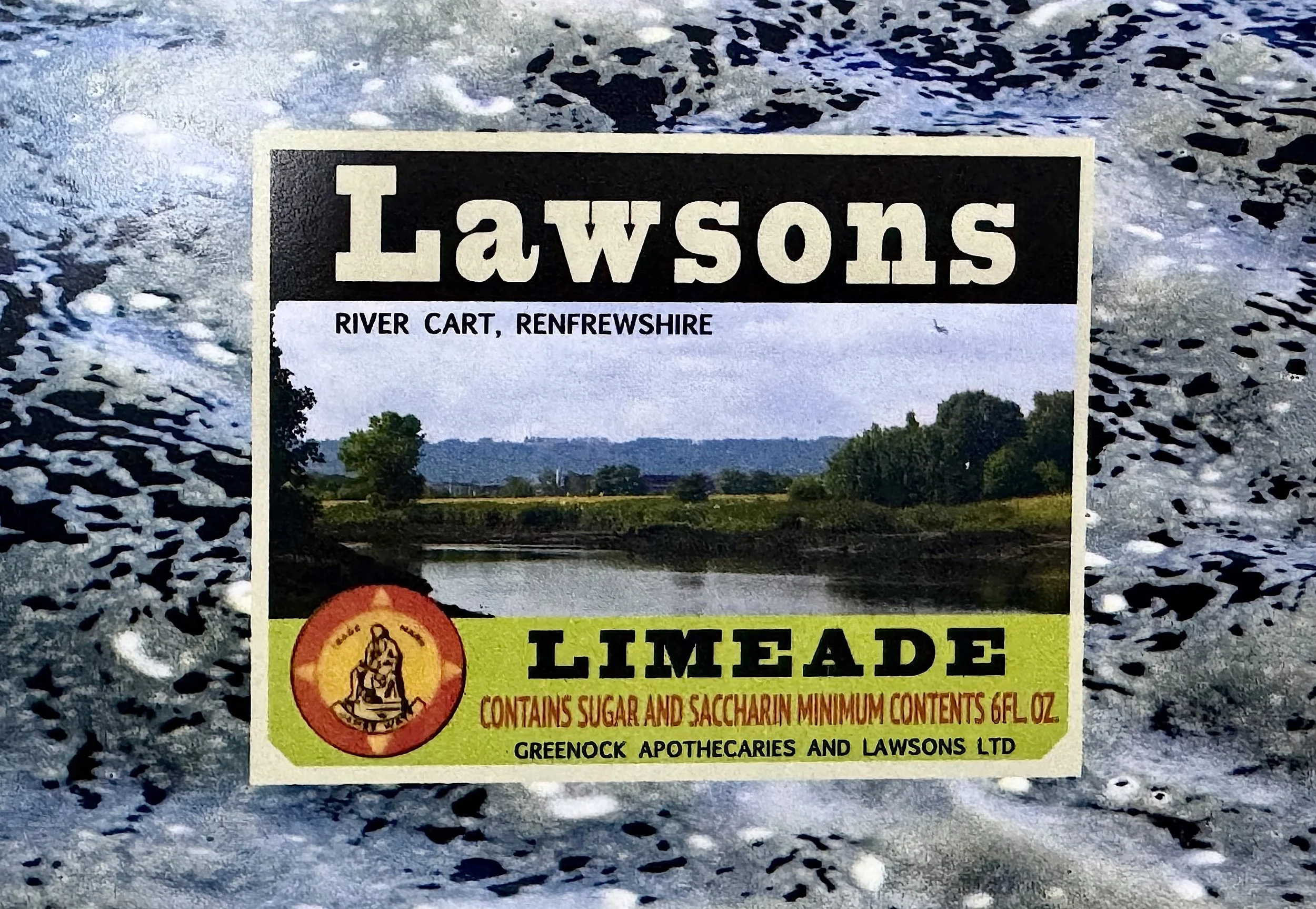
Context:
Vintage bottle labels from Lawsons of Greenock, a historic Scottish soft drinks company that was particularly popular during the mid-20th century, are highly regarded by collectors for their distinctive illustrations of iconic Clyde steamers, and other local vessels. Each flavour in the Lawsons range was associated with a different ship, for example, the company’s standard lemonade label featured a cruise ship in the background.
Although the River Cart is a well-known tributary that joins the River Clyde, near Renfrew and Paisley, the label for Lawsons Limeade specifically depicted a particular vessel associated with the region’s waterways. Because some flavours were produced for shorter periods or in smaller quantities than more common varieties such as standard lemonade, individual labels - such as the Limeade example - have become particularly sought-after niche items among collectors.
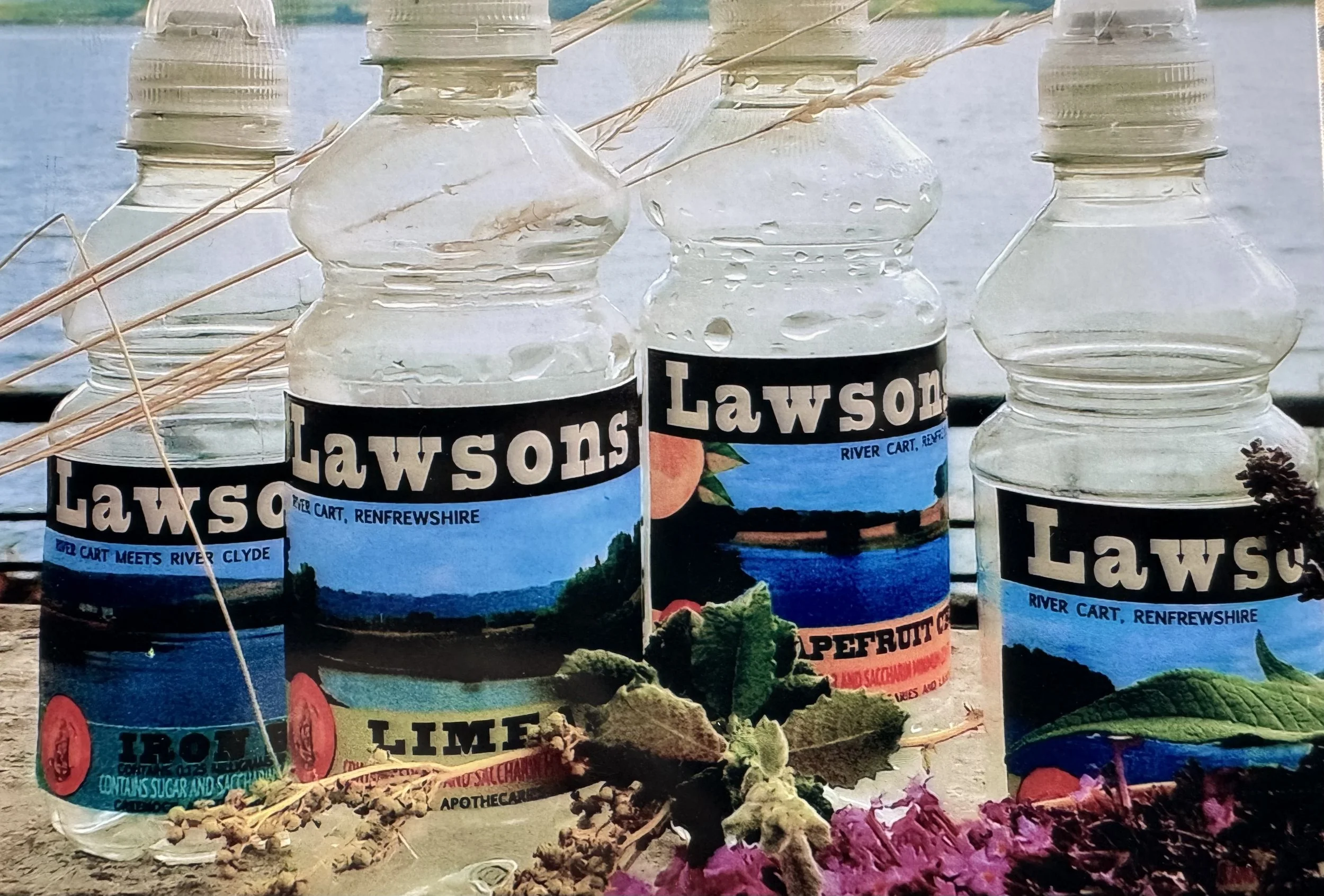
‘The bottles with custom labels are inspired by a mid-60’s drinks campaign with Clyde ferries on the bottle’
John Papasian
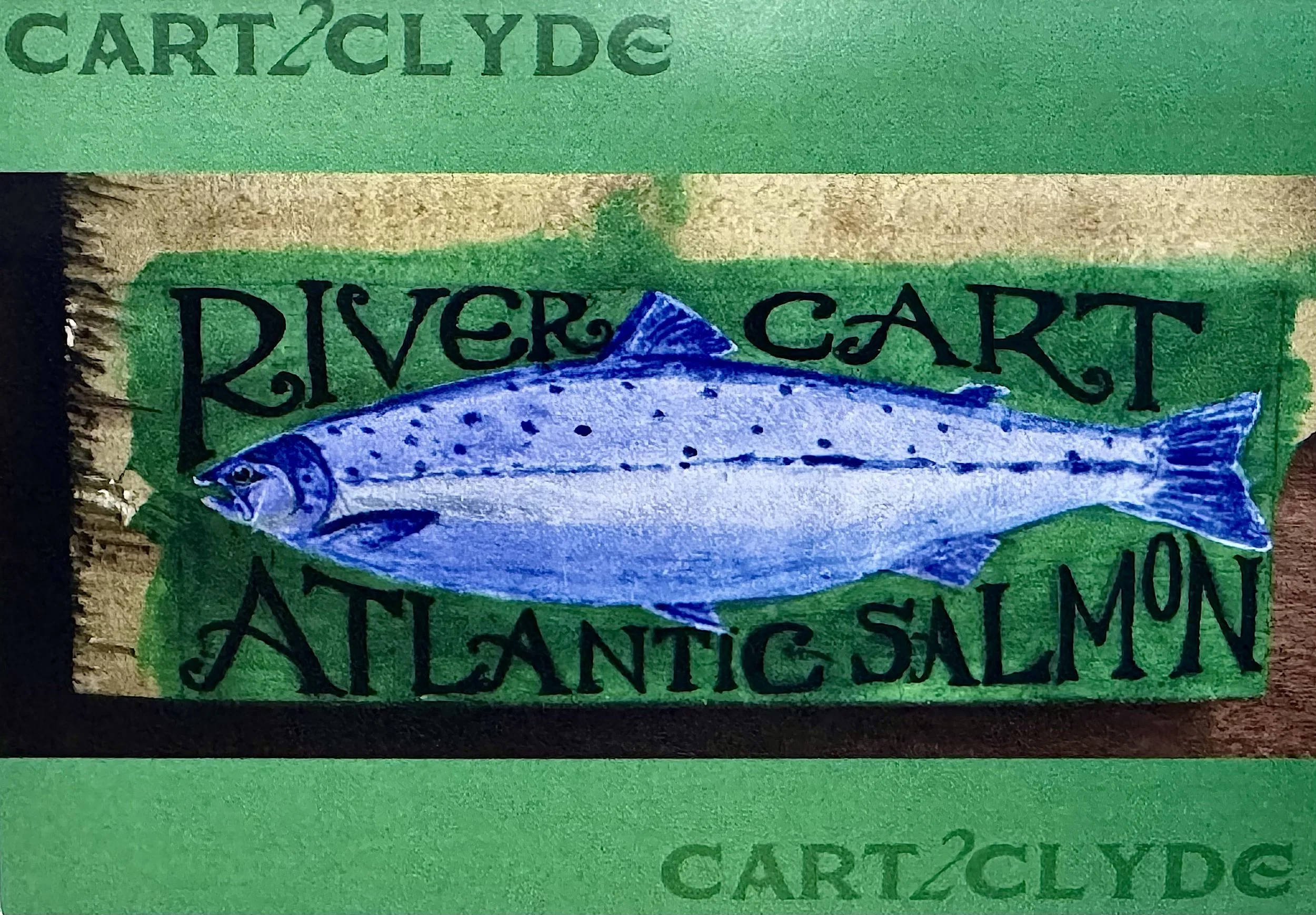
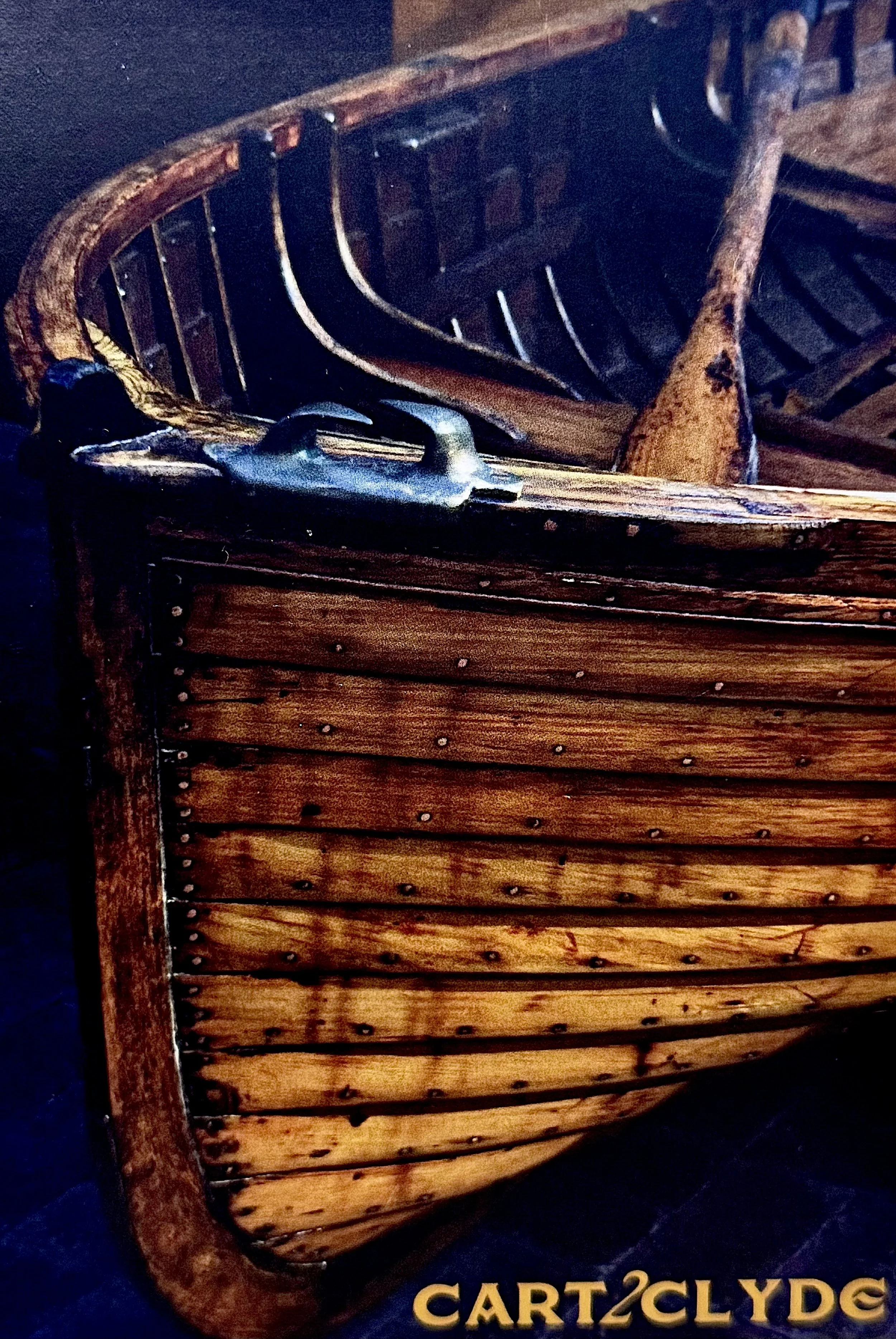
John Papasian
“Rivers rising at the confluence, we need a meeting of hope and action. We are human and we are nature.”

‘Cart2Clyde - A Postal Art Project’ was made possible thanks to CHEF > The Culture, Heritage and Events Fund. A grant programme managed jointly by Renfrewshire Council and the local charity OneRen as part of the Future Paisley programme.
It was commissioned by Fablevision: https://fablevision.uk/home-page/