Woolston is a visual artist whose work encompasses installation, photography, moving image and print. Often working in archives, non-gallery spaces, across community settings and within sites of cultural or environmental resonance. Her early practice focused upon reconfiguring large-scale discarded materials to critically examine the environmental impacts of globalised supply chains - from resource depletion to greenhouse gas emissions.
These works included "Strangers in a Strange Land" (2013) at the Walker Art Gallery, Liverpool. An artwork that utilised 3.6 tonnes of post-consumer plastic (in a closed-loop manner) and was presented alongside an Artists Bookwork, documentary photography, and the 1889 Albert Starling painting of the same name from the archive:
“Nine large bales of discarded plastic were the centre of this major artwork by Robyn Woolston, winner of the Liverpool Art Prize, 2012. Exploring the burden of inorganic waste, the installation highlighted our relationship with the Earth and its finite resources. Recycling and regenerative responsibility were the overriding messages of the exhibition but the work also represented an interesting art history reference. The layout of the bales were a nod to Carl Andre's infamous 'Equivalent VIII' (1966), a sculpture created from 120 firebricks. Like Andre's bricks, the bales had a double-meaning; they were waste yet embodied value, they had been both discarded and harvested.”
https://www.liverpoolmuseums.org.uk/walker-art-gallery
From 2011-21 she exhibited 132,000 plastic knives and forks, 45,000 plastic bags and a bequeathed collection of audio cassette tapes as part of a series of installations for the Threshold Festival in Liverpool. Whilst at Edge Hill University she created a reproduction Las Vegas sign to herald the coming of an extractive ‘human-driven’ chapter:
“ Welcome to the Fabulous Anthropocene Era the sign reads in colourful letters. Actually it is a mock sign, a sculpture by British artist Robyn Woolston. The design is an obvious paraphrase of the world-famous 7.6 meter sign south of Las Vegas from 1959, which was added to the National Register of Historic Places fifty years later. A timely paraphrase, since the fifties mark the beginning of the Great Acceleration - particularly in light of the American lifestyle and fossil capitalism for which air-conditioned Las Vegas has become somewhat of a caricature - whereas the period between 2009 and 2011 is when the concept of the Anthropocene began to spread rapidly in the sphere of intellectual discourse and artistic practice. ”
— History of a Cliché // Rhetoric and Imagery of the Anthropocene by Björn Billing
Cambridge Scholars Publishing, 8 May 2019
These materially oriented trajectories subsequently developed into an MA by Research on the spatial and cultural politics of grieving. Rooted in a familial loss, the practice-based study combined autoethnography, the memorialisation of space as cultural text and the influence of grief on creative methodologies. Weaving together the affective and material dimensions of Discard Studies, whilst critically addressing Rites of Passage, anthropogenic impacts and the inherited ideologies that shape our relationships to disposability and tentacular connection.
From 2019-22 she was commissioned by Dr. Sara-Jayne Parsons at TCU, in conjunction with Fort Worth Contemporary Arts, to undertake a residency focused upon land use, eco-grief and climate anxiety. The carbon-offset collaboration included the Botanical Research Institute of Texas (BRIT) and the Karyn Purvis Institute of Child Development (as part of the College of Science and Engineering at TCU).
In 2024 she represented Scotland, on behalf of Fablevision, as part of the pan-European residency programme 'Turning The Tide' in Gdańsk, Poland:
‘Our mission is to harness the power of culture as a dynamic force in addressing climate change. We believe that by integrating new approaches, there is hope to prevent planetary self-destruction and inspire a future that respects both living organisms and nature, leaving no one and nothing behind. By uniting artists with local communities, we can influence city planners, politicians, and decision-makers to rethink their strategies and move towards a more sustainable future.’
Her moving image works, such as "Yours, in Extraction" (2022) and "Edgeland" (2024), continue to explore eco-poetic themes and have been showcased internationally - including screenings at COP26 in Glasgow and various venues across the United States. "Land Belongs to Itself" (2021) features narration by Lucy R. Lippard and has been presented at venues as diverse as the Pipe Factory in Glasgow and the Lois Lambert Gallery in Santa Monica.
In an age of environmental precarity her practice emerges as a call-for-care that is both relational and restorative. Offering up the possibility of reimagining how we might live with one another, and the Earth, in more regenerative ways.
<<<<<<<<>>>>>>>>
‘What must be discarded for this or that system to be created and to carry on? To persist, systems must rid themselves of people, places, and things that actually or potentially threaten the continuity of those systems. Wasting is a technique of power, but it’s not the only one.’
Publication: ‘Discard Studies: Wasting, Systems and Power’
Authors: Max Liboiron & Josh Lepawsky
<<<<<<<<>>>>>>>>

Archive Project:
Installation: ‘Strangers in a Strange Land’ (2013), Walker Art Gallery, Liverpool.
Curator: Ann Bukantas
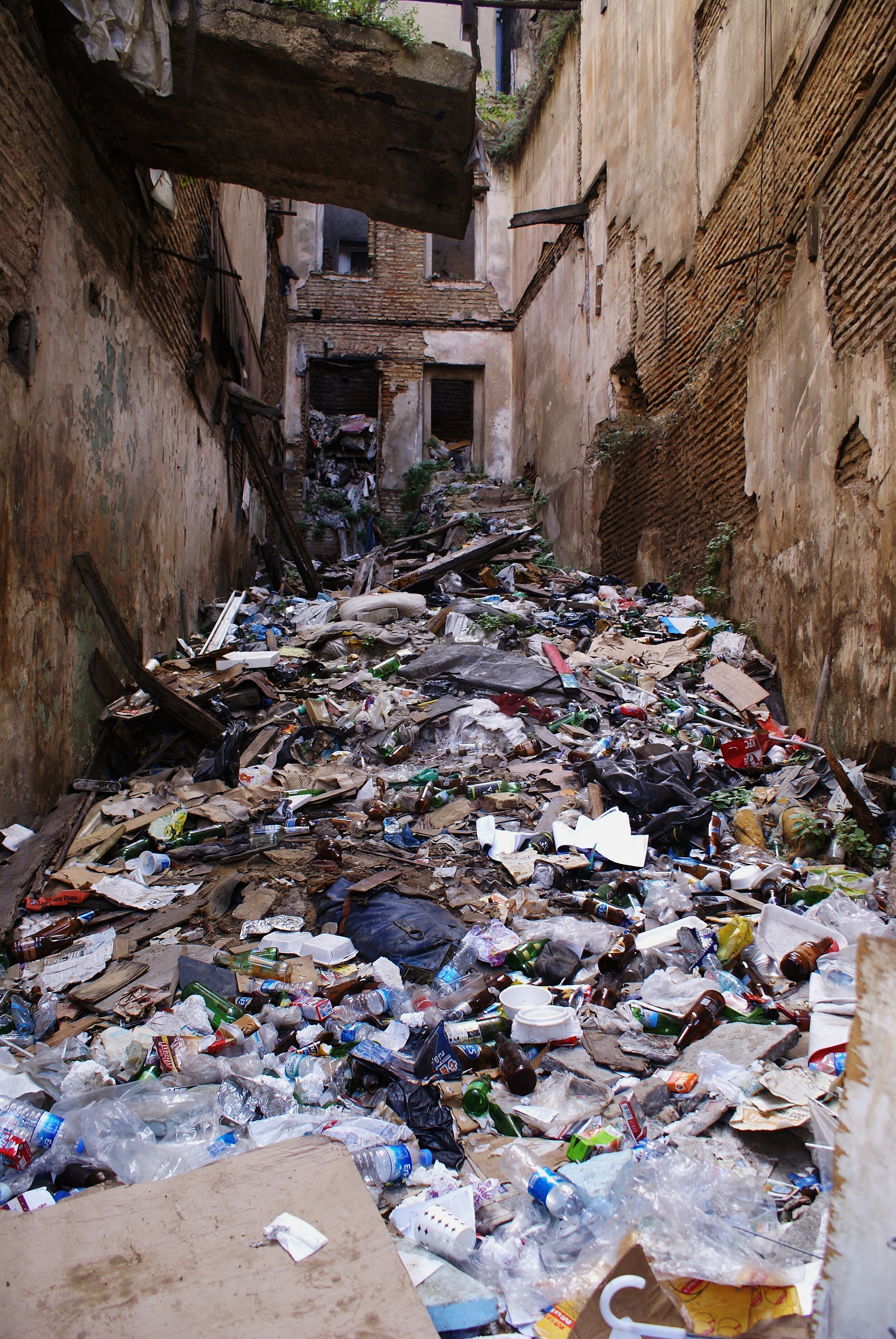
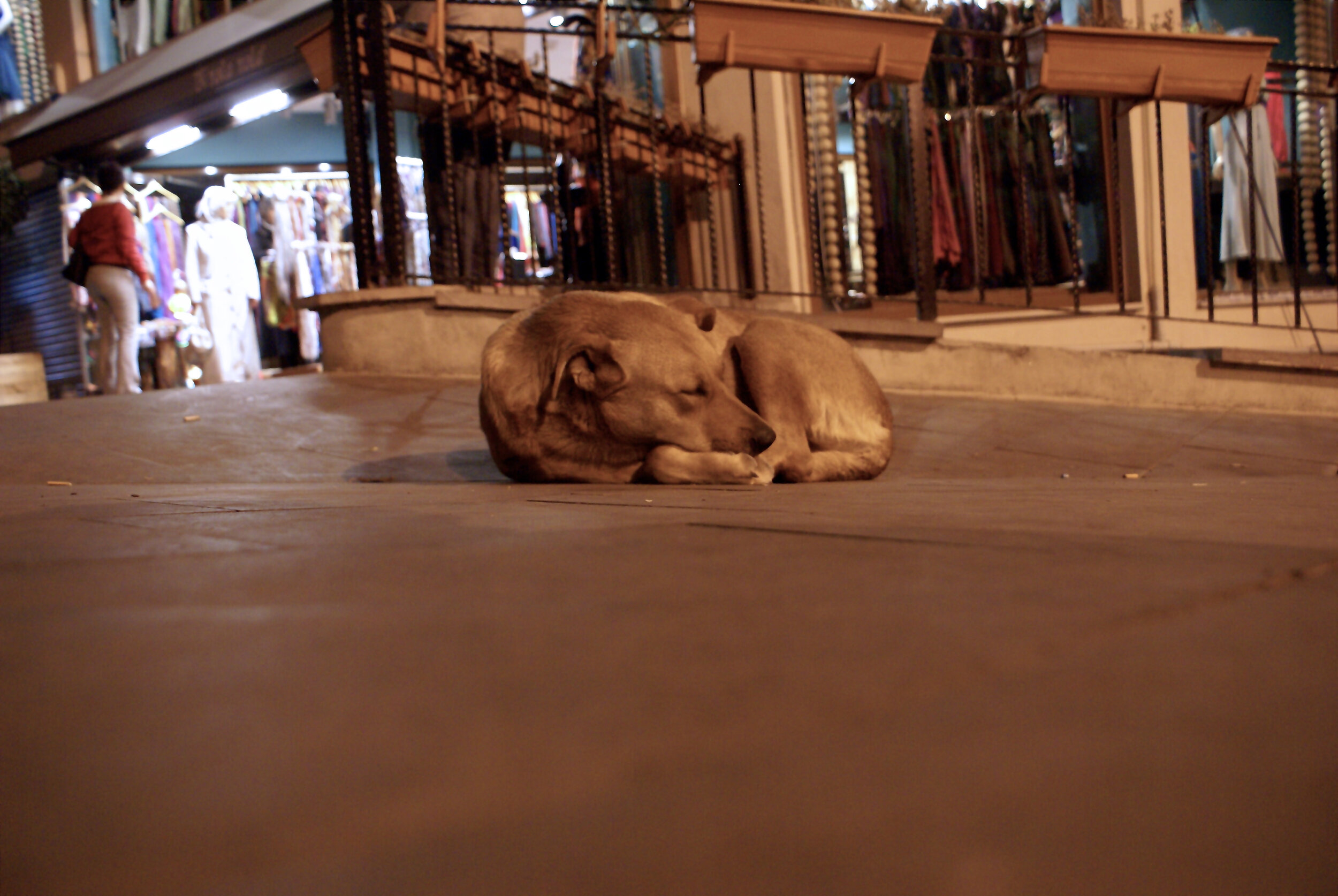
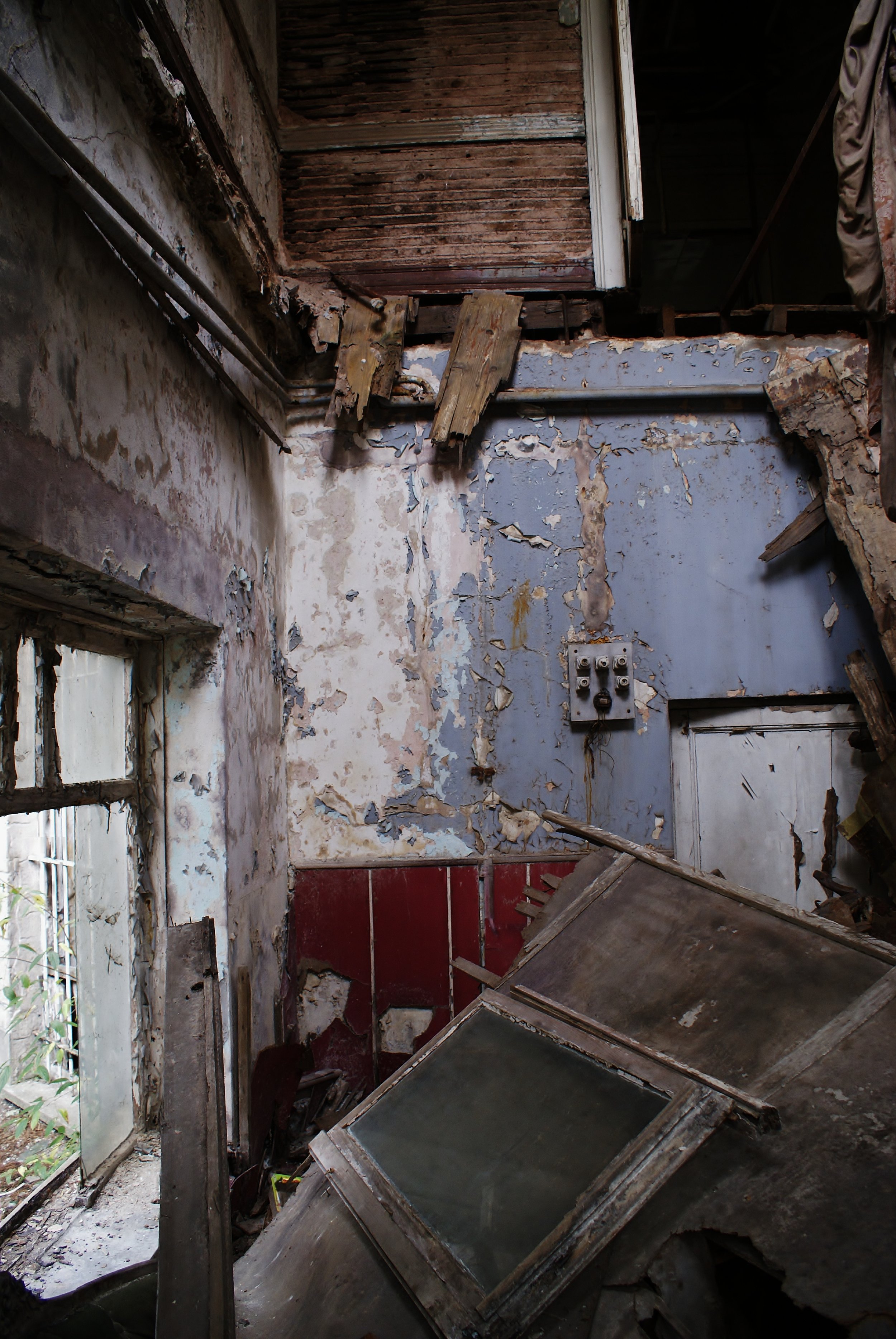
‘Waste. Product. Istanbul.’ Artists Bookwork (selected images left and below) comprised of an emotive set of photographs taken during a residency in Istanbul in 2012, (the publication) documents the waste ‘processes’ observed; from the 'Papermen' (unofficial collectors, sorters and recyclers of the city's waste) to the stray dogs, micro-chipped in an effort to bring a sense of order to these 'waste' animals.