Cart2Clyde <> Call Out
A free Postal Art Project initiated over the Summer of 2026 within the River Clyde catchment area, and Renfrew, Scotland.
Open to anyone with connections to the southern bank of the Clyde, and its confluence with the River Cart, the White Cart and the Black Cart tributaries.
Funded by OneRen Culture as part of their Culture, Heritage and Event Fund in association with Fablevision, Creative Renfrewshire and the University of the West of Scotland. The project draws upon the Creative Europe funded Turning the Tide initiative led by Intercult alongside Instytut Kultury Miejskiej, Artit, the Vienna Education Academy and Dear Hunter.
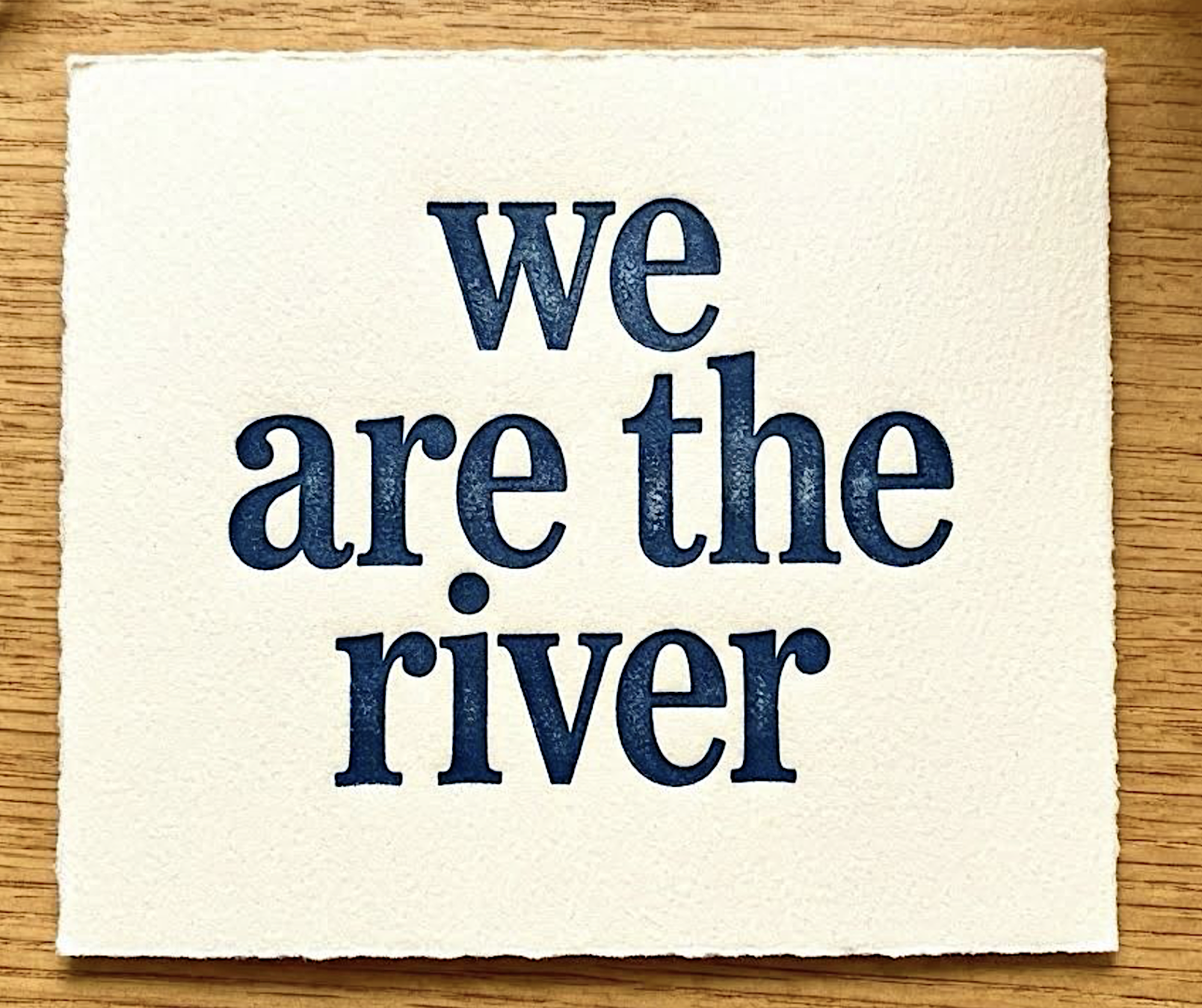
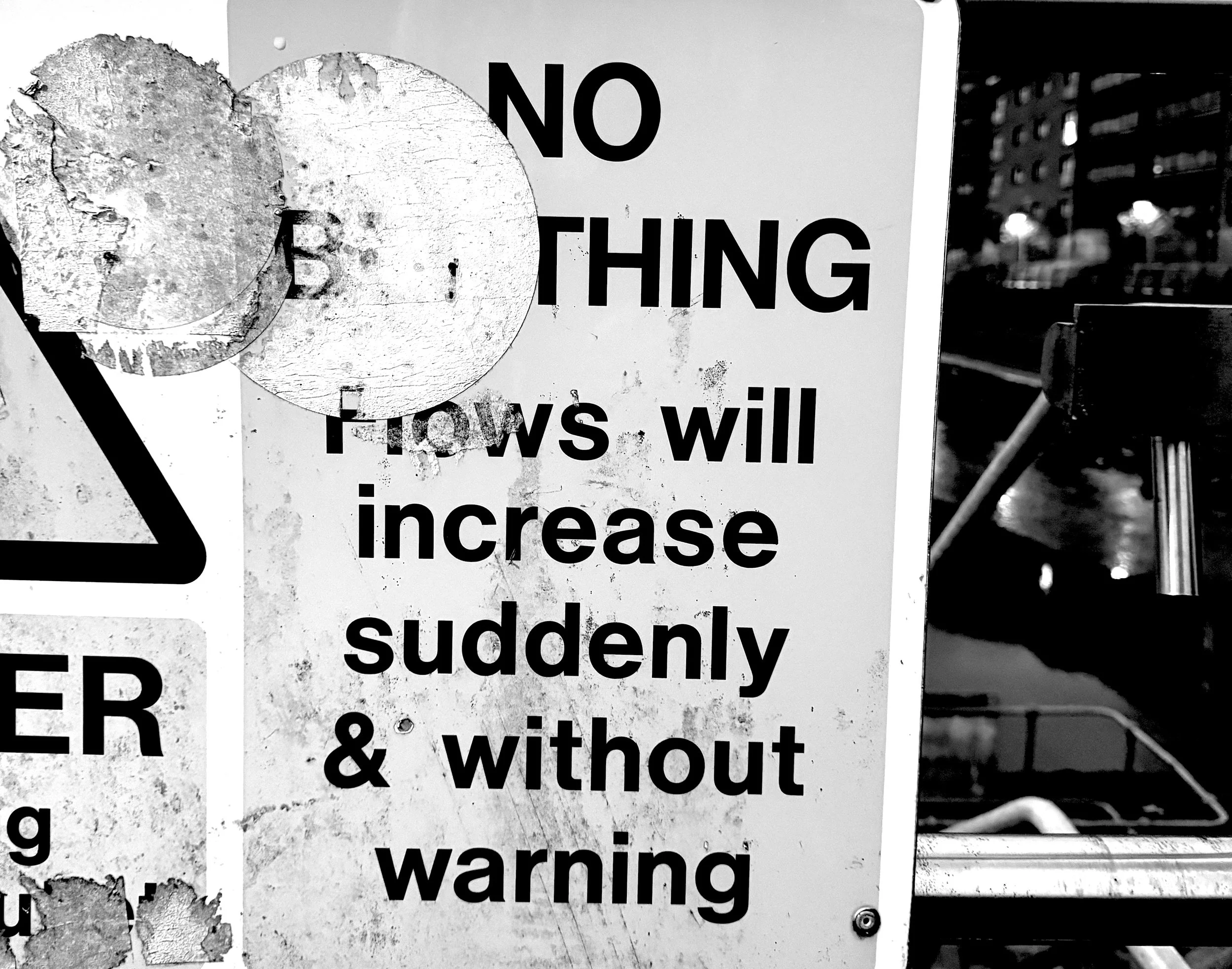
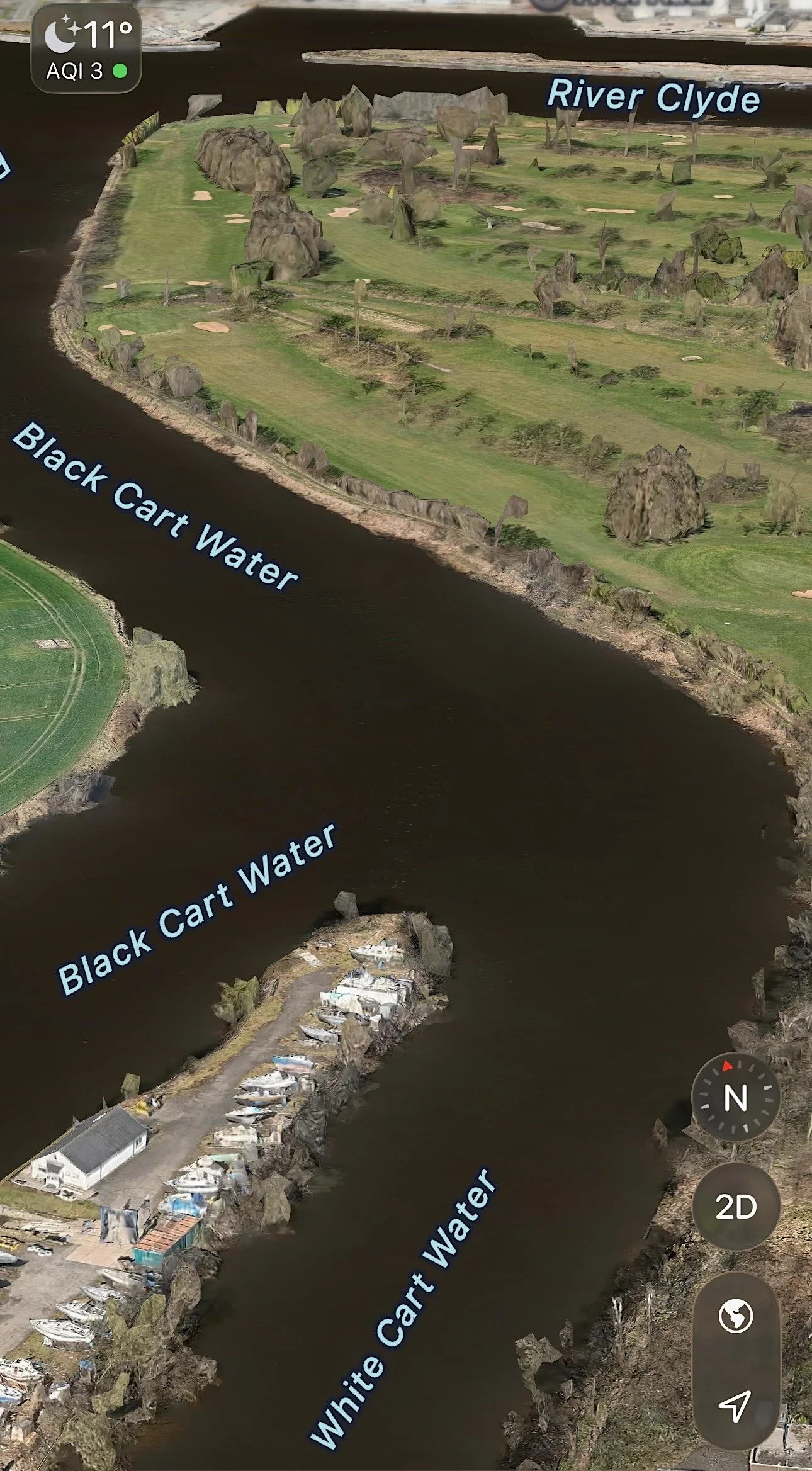
Inspired by the democratic history of mail art, Cart2Clyde invited participants to engage creatively with the River Cart, its ecosystems and its climate future. Through a series of playful, curious and thought-provoking prompts, the project encouraged new forms of artistic expression, whilst fostering a deeper awareness of local environmental issues and ecological connections.
What happened after sign-up?
Participants were sent a specially prepared envelope in the post that contained paper-based materials, creative prompts and a pre-paid envelope so that they could submit their work to the project. Once complete, the artworks were posted back to the project and became part of the evolving Cart2Clyde project archive. Culminating in a collective portrait of how local people imagine, experience and respond to the River Cart, and its changing environment.
Then what?
Digitisation and upload, in the first instance.
(As this is a pilot project the nature and number of submissions will decide the format of the final output. As the project develops the artworks may become part of an Artists Film or be displayed within a physical exhibition space. There may even be a celebration event and an Artists Talk about the wider project - funding dependent.)
In the spirit of international postal art projects, the RULES OF ENGAGEMENT were simple:
No Jury – All submitted work is accepted and exhibited (provided it meets the weight and size requirements of the pre-paid envelope provided, or has been sent as a digital image).
No Fees – Participation is completely free.
All submitted works must meet basic ethical guidelines:
1) Do not plagiarise or closely copy another persons work
2) Avoid harmful, illegal or offensive content
3) Do not include material that promotes violence, harassment, hate or unlawful activity
4) Respect privacy, don't reveal personal information about others without their consent
No Returns – Submitted artworks become part of the project archive, will be uploaded digitally, and will not be returned.
The Postal System is Part of the Art: The handling process itself (including stamps, postmarks, wear-and-tear and accidental markings by staff included within the postal service) is embraced as part of the artwork.
Creative Freedom – Participants are free to express themselves without traditional institutional gatekeeping.
Want to know a little bit more about Mail Art <> Post Art <> Correspondence Art?
American artist Ray Johnson is widely regarded as the pioneer of mail art. His exploration of the postal system as an artistic medium began in 1943, laying the foundation for what would later become the mail art movement. Johnson’s activities led to the formation of the New York Correspondence School.
Recognised as an alternative method of exhibition within traditional galleries and commercial art markets during the 1960’s, artists exchanged postcards featuring poems, drawings, and other creative works through the postal system.
The movement has been influenced by a diverse array of artists and avant-garde groups including Marcel Duchamp, Kurt Schwitters and the Italian Futurists.
Mail art can take many forms, including postcards, letters, packages, faxes, emails, blogs, sound recordings, poetry, and other creative works that can be sent to recipients.
In the mid-1990s, artist and curator Matthew Higgs launched ‘Imprint’, a project that distributed artworks by emerging British artists, including Martin Creed, directly to critics and curators through the post.
A work is generally considered mail art once it has been sent through the postal system.
Mail artists often organise themed exchanges and open-call exhibitions that are typically non-juried and accessible to a wide range of participants.
“Cultural exchange is a radical act. It can create paradigms for the reverential sharing and preservation of the earth’s water, soil, forests, plants and animals. The ethereal networker aesthetic calls for guiding that dream through action. Cooperation and participation, and the celebration of art as a birthing of life, vision, and spirit are first steps. The artists who meet each other in the Eternal Network have taken these steps. Their shared enterprise is a contribution to our common future. ”