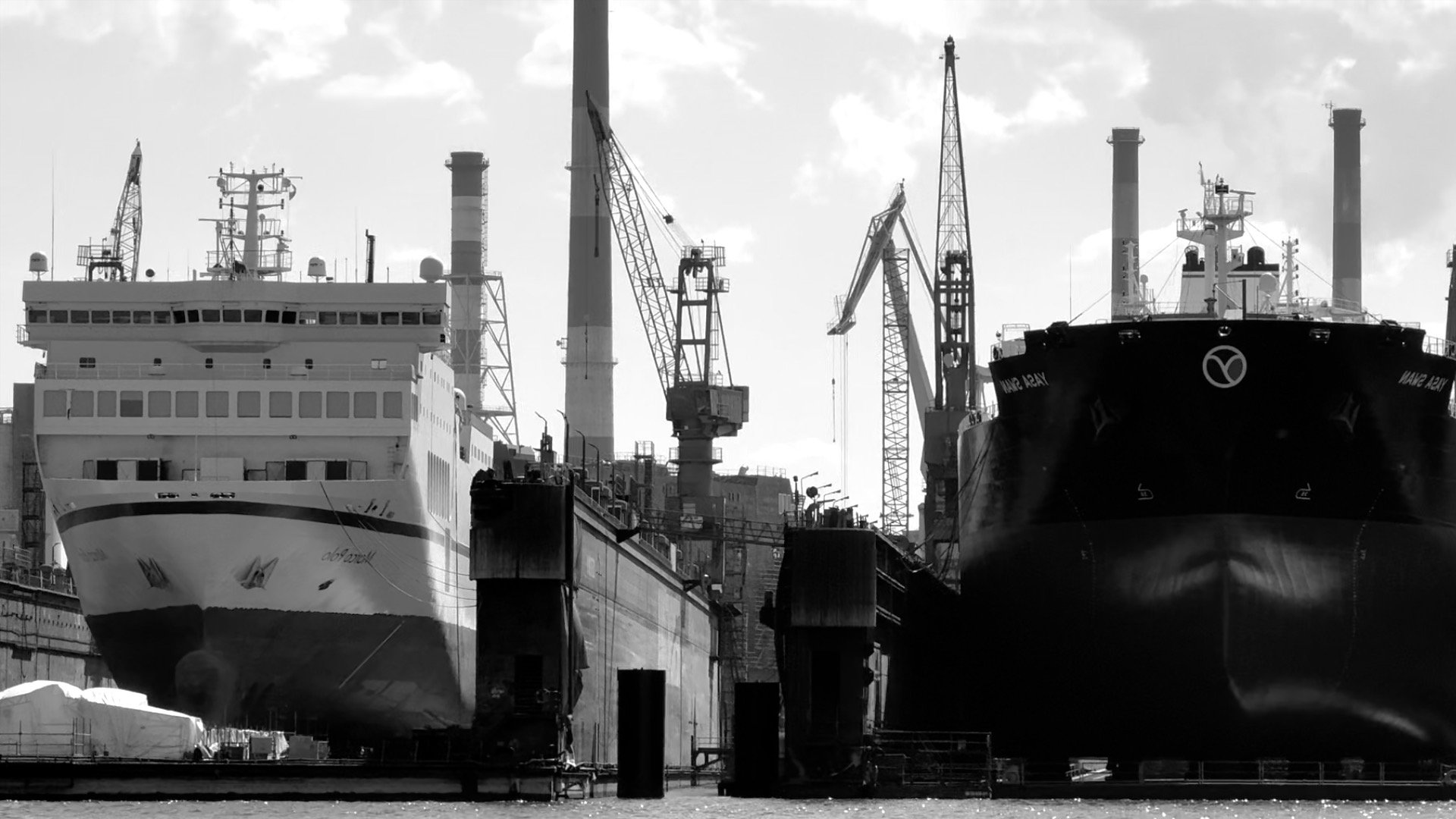
‘Turning the Tide’
Gdańsk, Poland (2024)
‘Turning the Tide (TTT) is a transformative European cooperation project, co-funded by Creative Europe, dedicated to exploring and addressing the pressing issue of climate change through the lens of artistic and cultural practices...
We envision a world where artistic expression and cultural engagement are central to understanding and tackling environmental challenges. Our project aims to empower local communities, amplify diverse voices, and foster innovative solutions to the problems posed by climate change, with a focus on waterfront communities uniquely affected by these global issues.’

During 2024 Robyn Woolston represented Scotland on behalf of Fablevision as their ‘Turning the Tide’ Artist in Residence.
Fablevision is based in Glasgow and has a remit to support the development of cultural planning in Scotland and beyond > www.fablevision.uk
TTT Project Partners: Intercult (Sweden), Instytut Kultury Miejskiej (Poland), Artit, Wiener Bildungsakademie (Austria) & Dear Hunter.
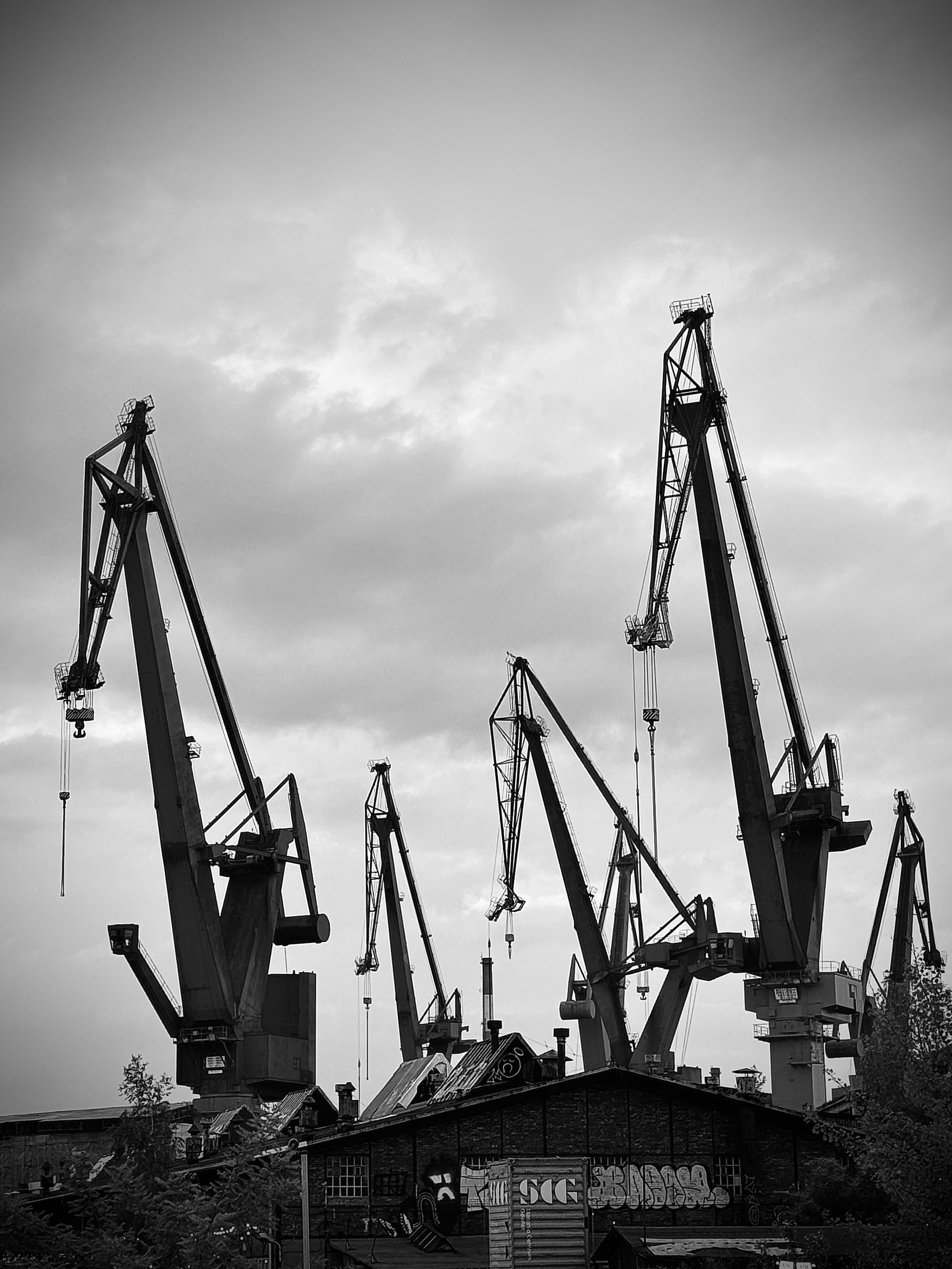
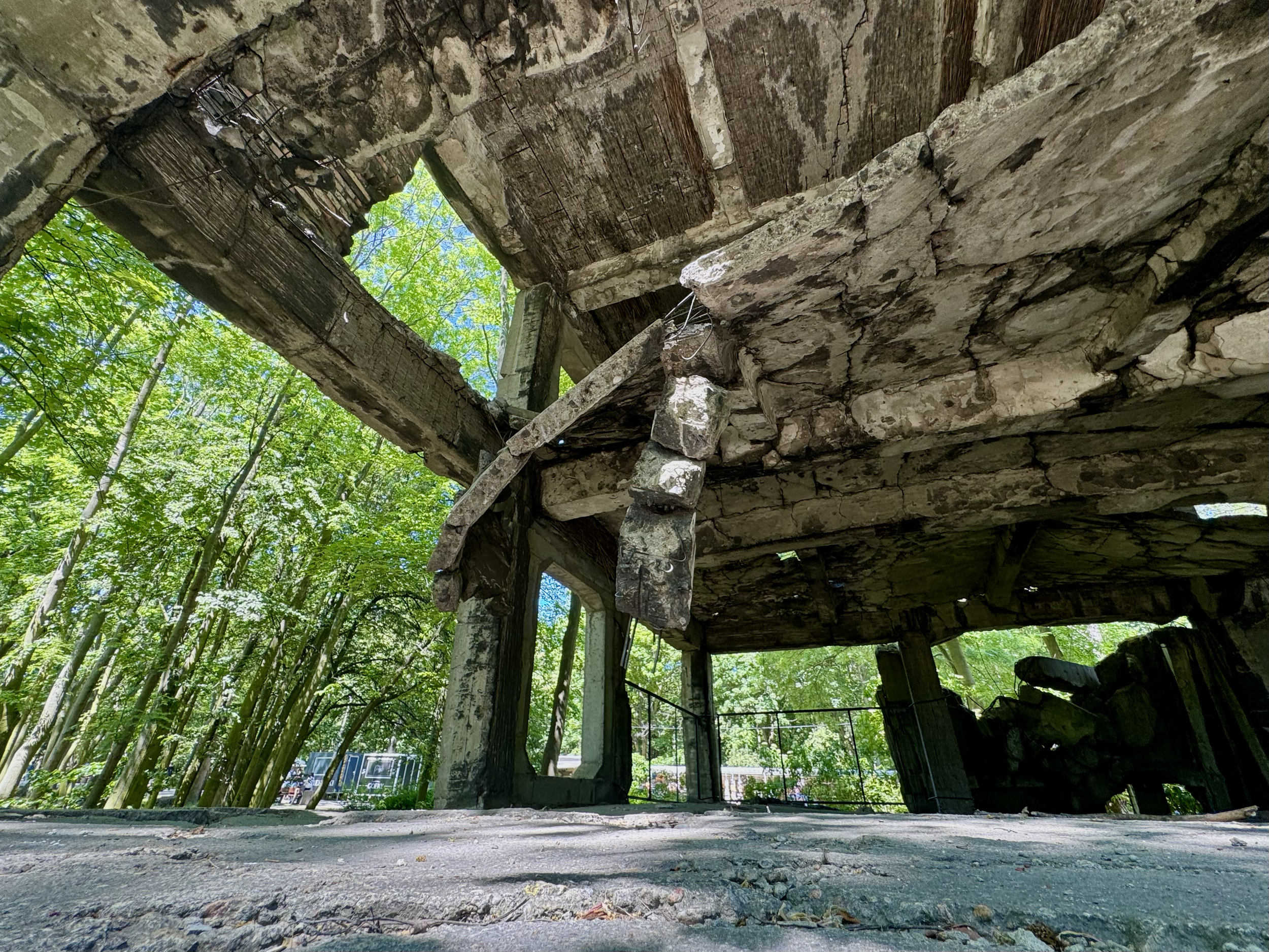
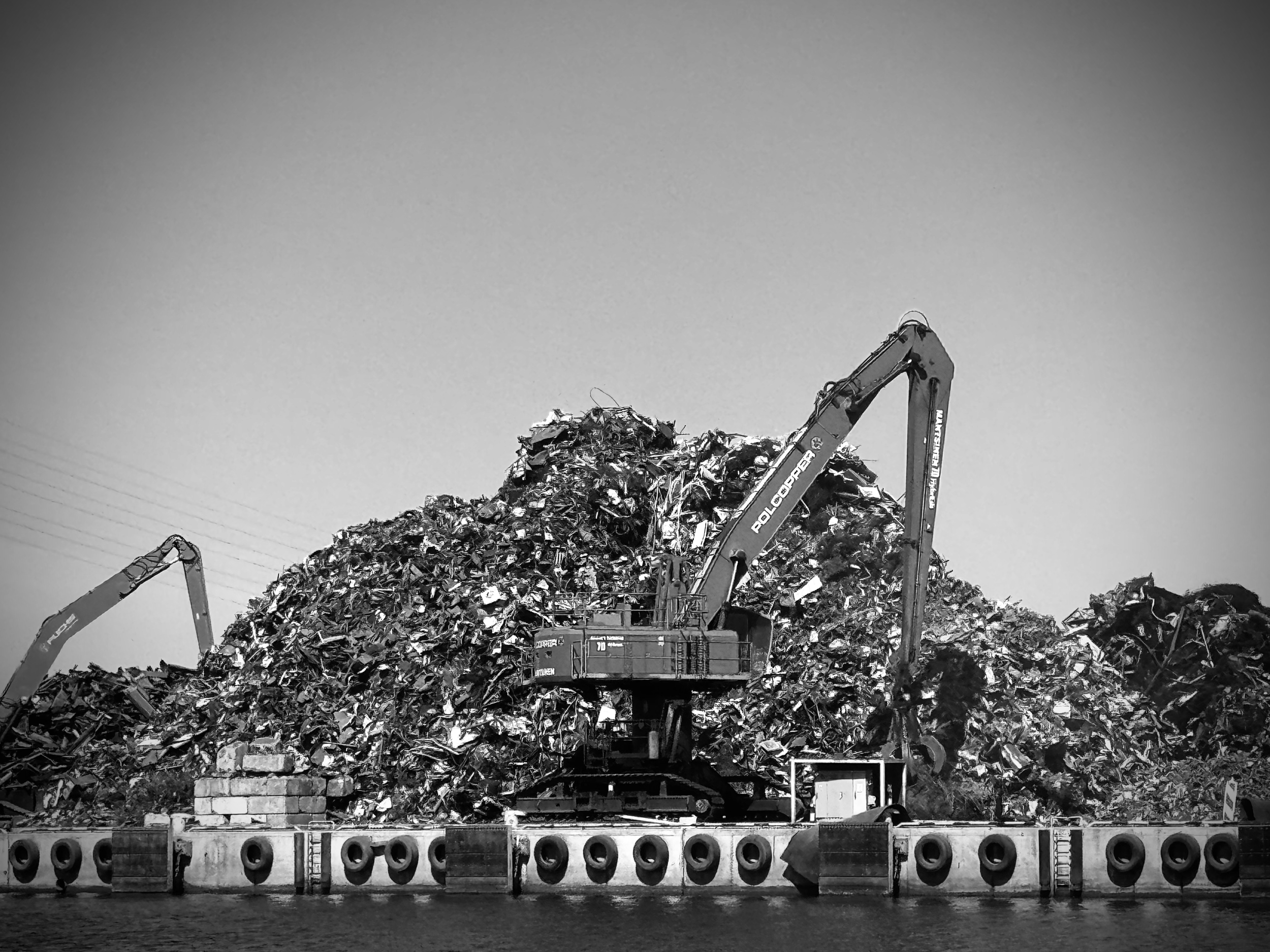
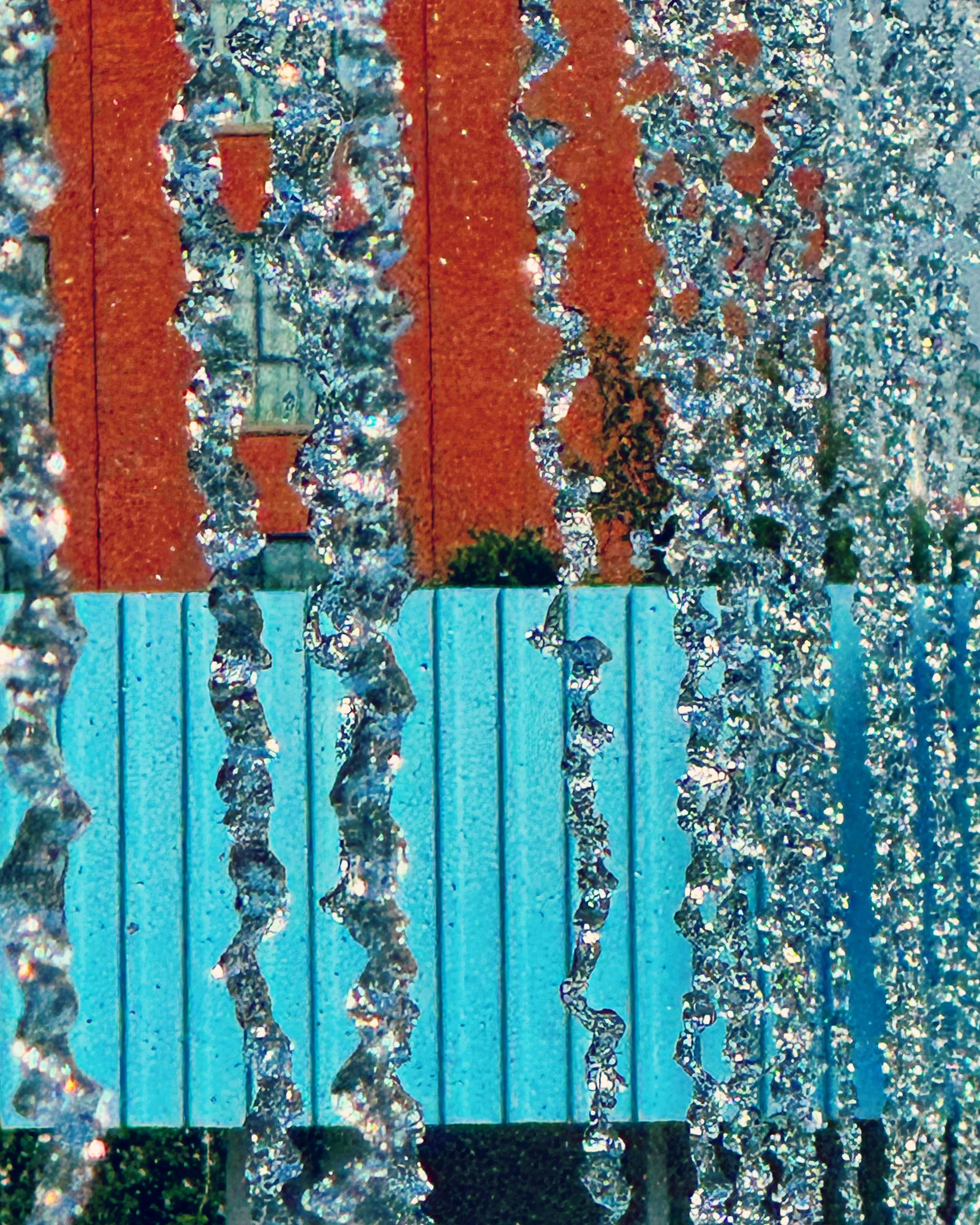


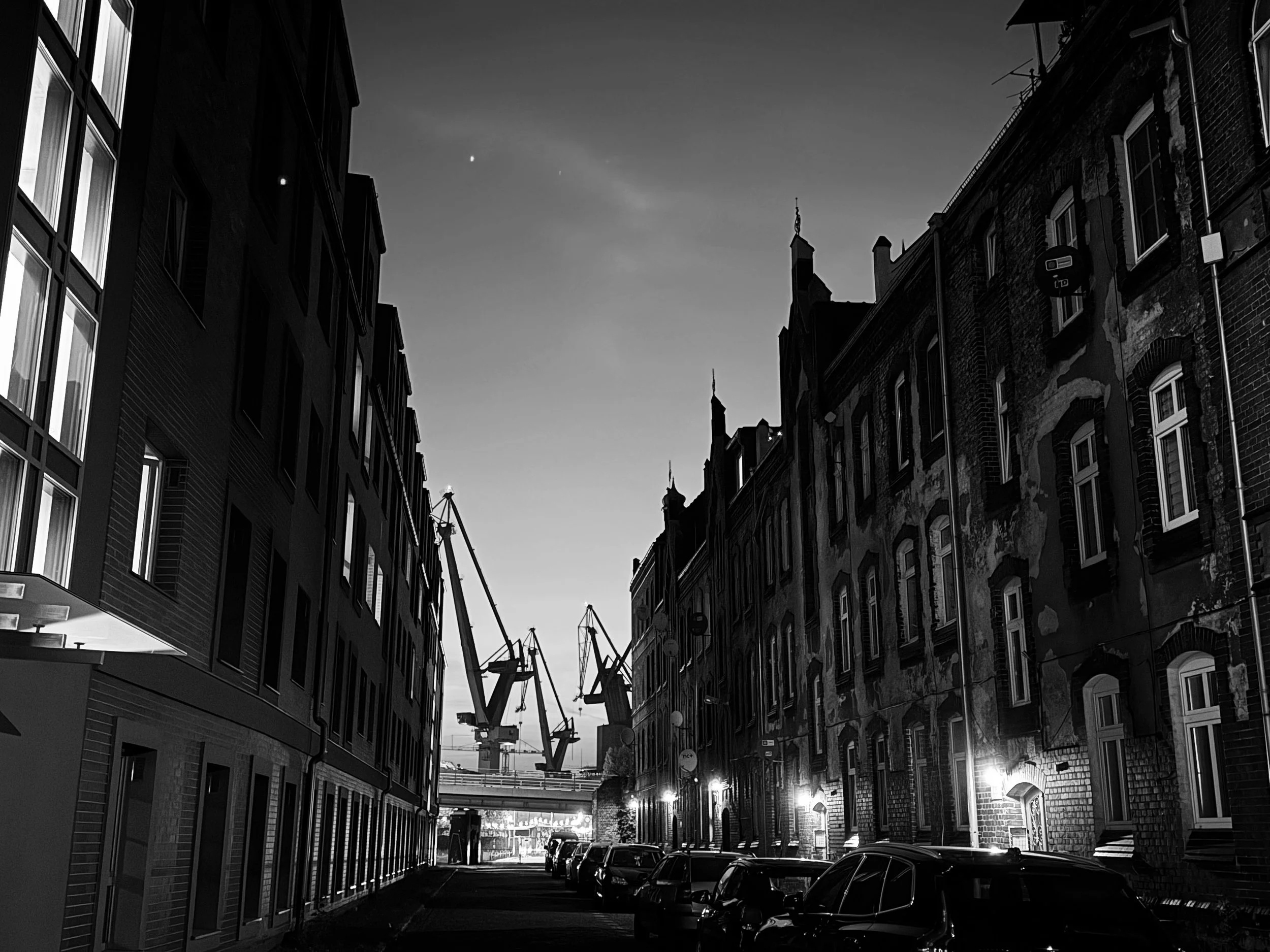
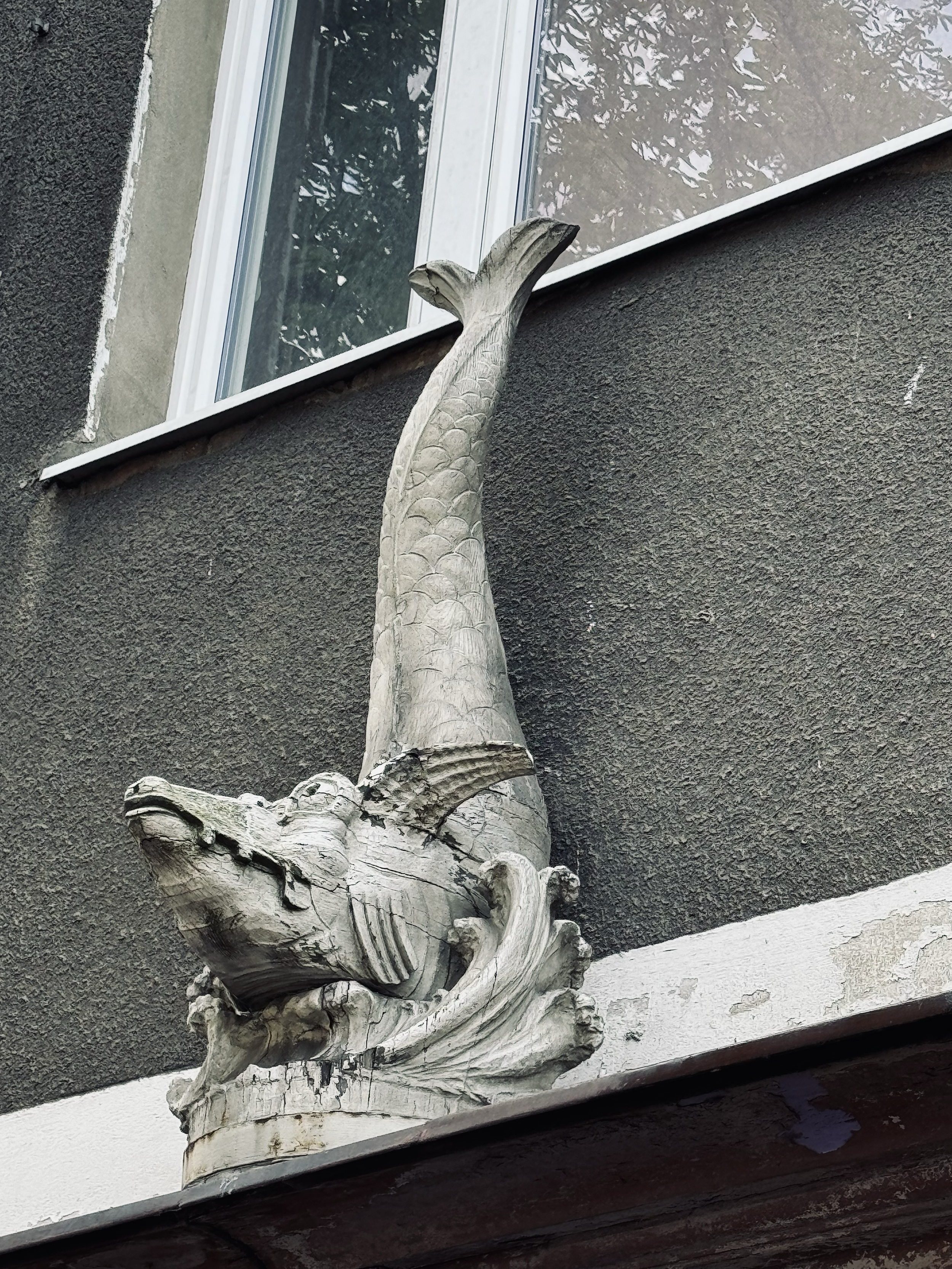
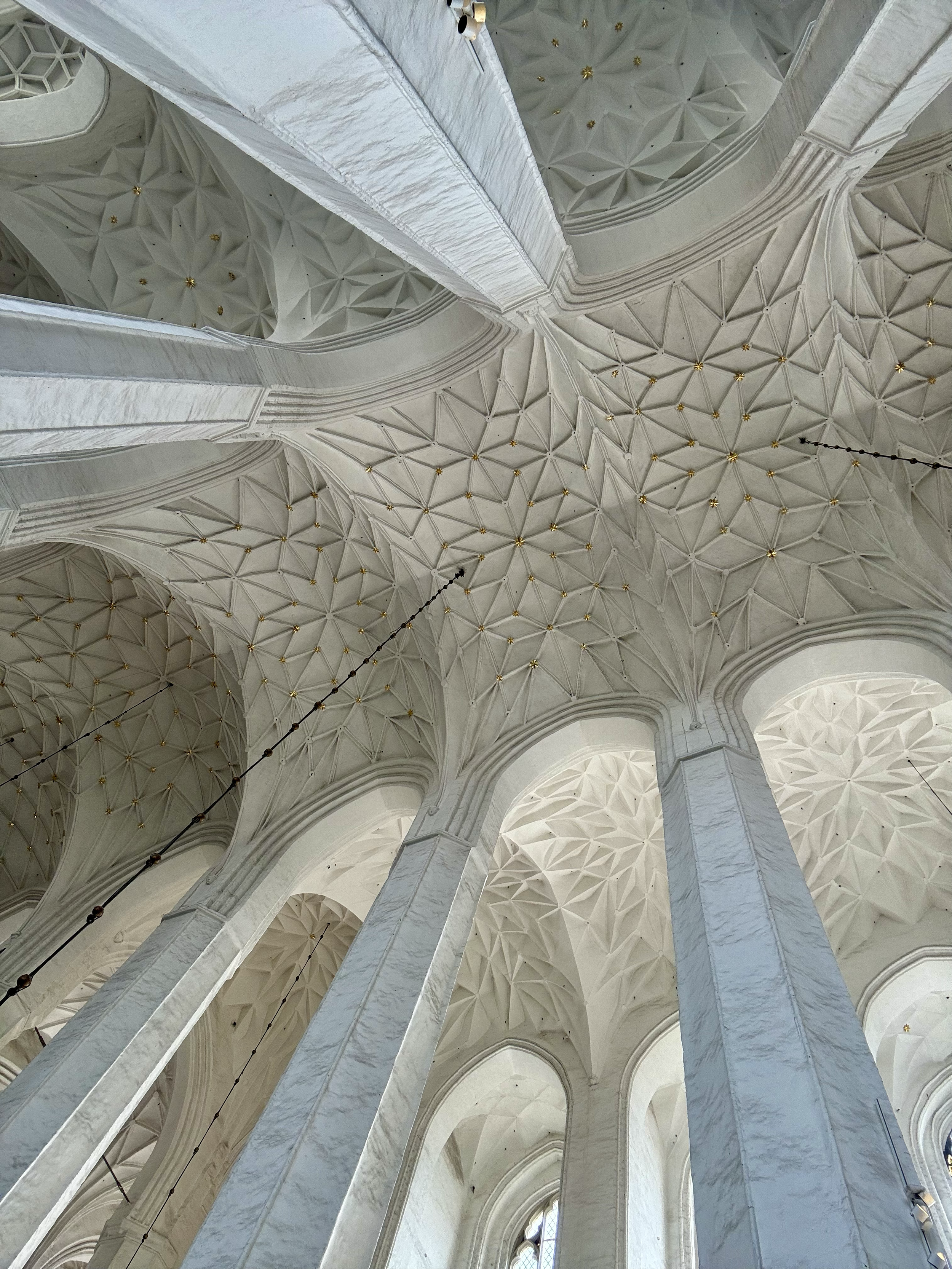
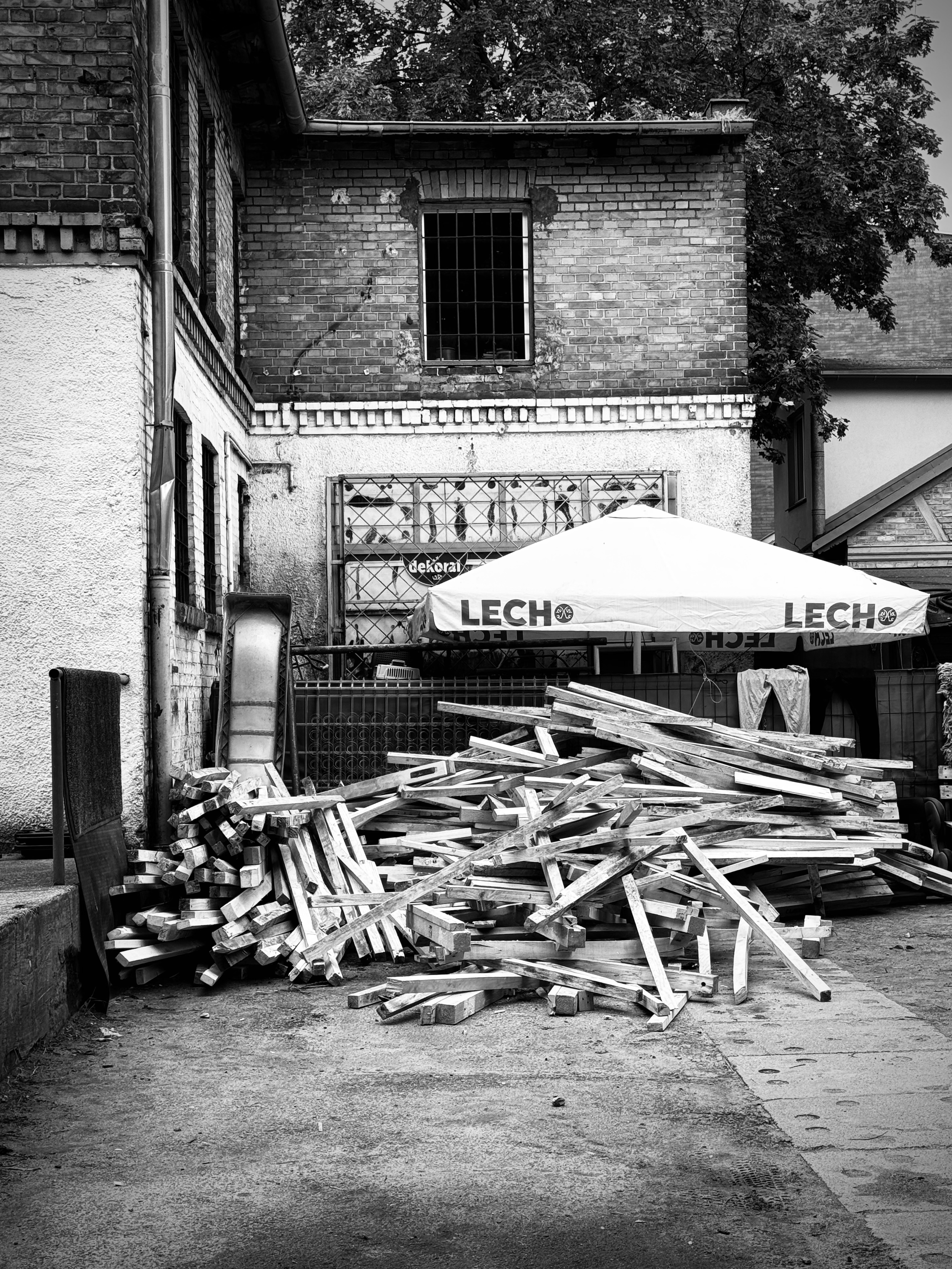
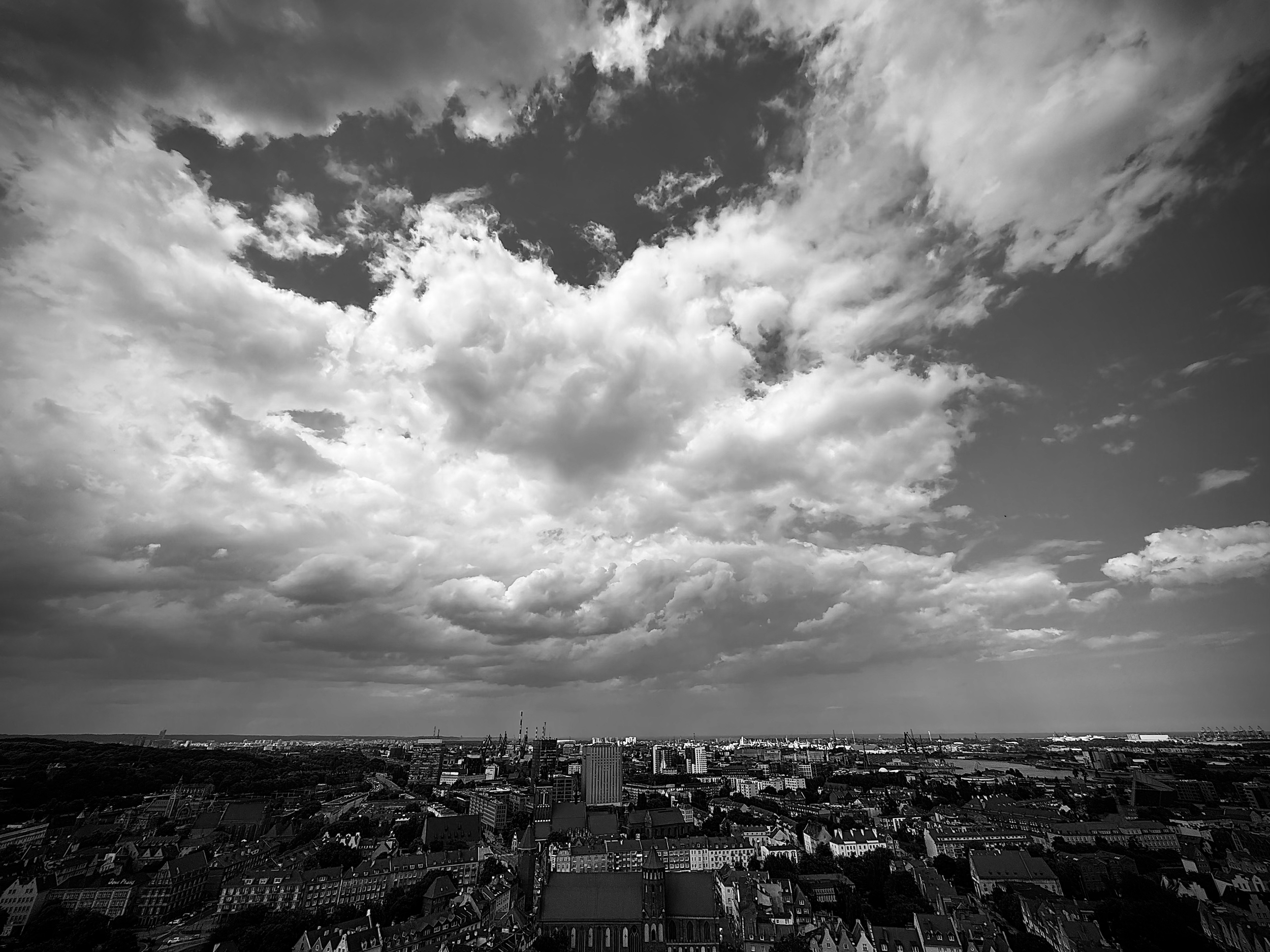
Output: Edgeland (2024) Artists Film
https://vimeo.com/robynwoolston/edgeland
An eco-poetic film situated on the tidal and urban threshold of the Baltic coastline.
Rhythmic and relational in tone, the work traces migratory histories across the Gulf of Gdansk, whilst simultaneously drawing upon the socio-political legacy of Solidarność (or Solidarity) and the enduring symbolic presence of Lech Wałęsa.
Set within the tri-city region of Gdańsk, Gdynia and Sopot, the film attends to a coastal landscape increasingly shaped by climate instability. As Scott Kulp notes (quoted in Ludwika Tomala’s ‘Poland's beaches are threatened by global warming’) rising waters threaten to transform “cities, economies, coastlines and entire global regions, within our lifetimes.”
Developed over a month-long period through the TTT collaborative partnership, this work approaches water not simply as a material resource or environmental system, but as an affective and political medium through which human, more-than-human, and emotional relations to place are negotiated. Within an age of solastalgia, water becomes both archive and agent: carrying traces of ecological transformation while actively reshaping the landscapes, memories, and attachments through which place is understood. Flooding and salinisation unsettle inherited notions of permanence, belonging, and place attachment, revealing these relationships as contingent, porous, and vulnerable to environmental change. In this context, ecological disruption is not only registered through altered landscapes, but is also felt in the body, carried through memory, and negotiated collectively. Water thus opens a space for asking how changing ecologies are sensed, remembered, mourned, and ultimately re-imagined—inviting attention to the aesthetic and political dimensions of living with, and within, an increasingly unstable hydrological world.
Woolston contributed to a carbon avoidance scheme, operated by Ecologi > ‘The UK’s most trusted climate action platform’ https://ecologi.com , as a way in which to calibrate the emissions she produced during her residency in Poland. Her contribution supported the prevention of 3 tCO2e from being emitted through a verified carbon avoidance project in Morocco: The Ouarzazate Solar Power Station is one of the largest concentrated solar projects in the world, making use of thousands of concave mirrors to concentrate solar energy and produce 750 GWh of power per year.
Why avoidance?
‘While the biggest impact you can make is to reduce your own emissions, carbon avoidance projects all provide complementary climate solutions to prevent greenhouse gas emissions, restore nature, and support local communities. Supporting these projects allows you to compensate for your remaining, unavoidable emissions.
Ecologi only supports projects certified by either the Gold Standard or Verra’s Verified Carbon Standard (VCS). Additional certifications for VCS certified projects indicate their contribution to sustainable development and the co-benefits they offer to local people and nature, such as the Climate, Community and Biodiversity Standard (CCBS) and the Sustainable Development Verified Impact Standard (SD VISta).
We also use third-party platforms, including carbon intelligence platform Sylvera, to ensure the projects our community supports are of the highest standard.’ > Ecologi